How is Sichuan pepper oil used in aromatherapy and TCM practice?
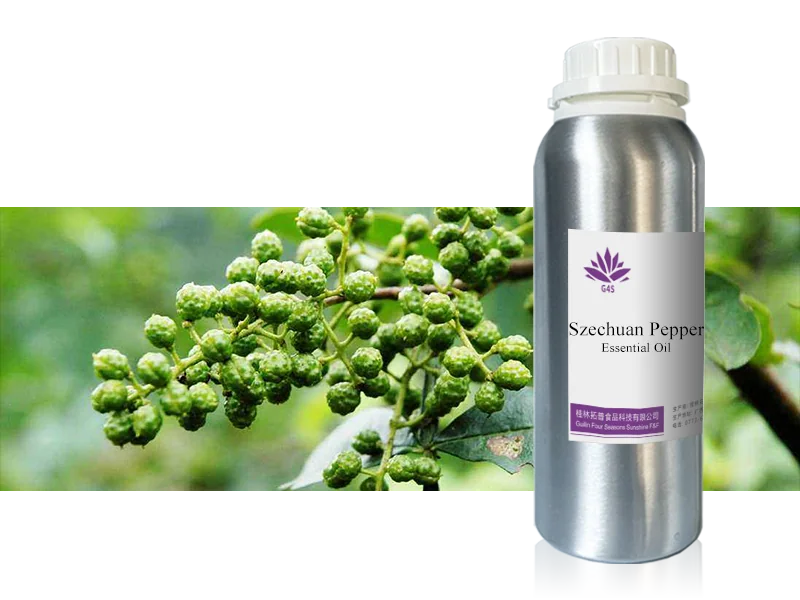
In TCM, Hua Jiao (Sichuan pepper) warms the center, dispels cold, dehumidifies to relieve pain, kills parasites, and stops itching; aromatherapy translates this into warming, grounding, and comfort-focused blends.
Aromatherapy & TCM Use
| Practice | Application | Blend suggestion |
|---|---|---|
| Warming massage | Cold limbs, winter chills, after-bath body warm-up | 1–2% in carrier oil with ginger & cinnamon |
| Pain-relief focus | Muscle aches, joint stiffness, exercise recovery | 1–2% with black pepper, eucalyptus, vetiver |
| Dehumidifying / dampness | Soggy-weather fatigue per TCM dampness concept | Diffuse with lemon, grapefruit, cardamom |
| Comfort / grounding | Cold-season mood support | Diffuse with cedarwood, orange, frankincense |
| Inhalation | Respiratory freshness in the pepper-camphor register | 1 drop on a tissue or in a diffuser blend |
- The numbing-heating effect explains TCM's use in topical warming plasters and moxa-style rituals
- Always dilute below 2% for skin; the trigeminal effect is strong
- Not for use during pregnancy without professional guidance; keep away from eyes and mucous membranes
Relate Products
This article was published on 2026-09-07, and last updated on 2026-09-07. The article will be continuously updated.