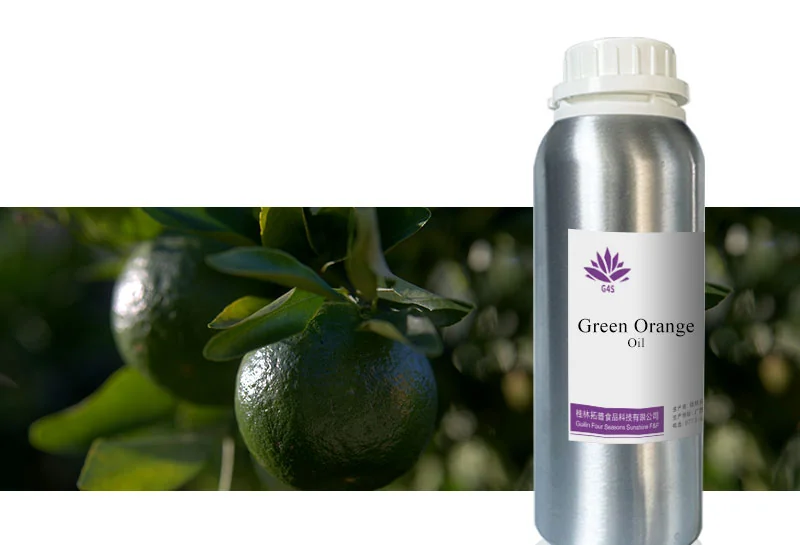
How is this green mandarin oil transported and stored during shipment?
TPS-RO-012 ships as UN 1993 — Flammable liquid, n.o.s. (Class 3, Packing group III). This is a routine dangerous-goods move: packaging, documentation, and carrier selection all follow Class 3 rules.
Transport Summary
| Item | Detail |
|---|---|
| UN number | 1993 |
| Proper shipping name | Flammable liquid, n.o.s. (contains D-limonene) |
| Class / packing group | Class 3 / PG III |
| Flash point | ≈ 45°C (closed cup) |
| Packaging | UN-approved drums or jerricans with flammable-liquid marks |
| Modes | Sea freight (standard, FCL or LCL), air freight (limited quantities rules apply), courier for samples |
| Documents | Dangerous goods declaration, SDS, CoA |
| Temperature during transit | Ambient — keep away from prolonged sun exposure and any heat source |
- Sea containers are the normal channel; no refrigeration is required during shipment
- For air freight, Class 3 PG III flammable liquids are accepted under limited-quantity provisions — check the airline's acceptance rules first
- Small courier samples travel as fully declared dangerous goods or under the courier's own exemption, depending on the lane
- During storage, keep drums upright, on pallets, away from direct heat, sunlight, and ignition sources, with good warehouse ventilation
- Because flash point ≈45°C, flammable-liquid storage licensing may apply in some jurisdictions — check local rules for bulk quantities
Relate Products




This article was published on 2026-09-07, and last updated on 2026-09-29. The article will be continuously updated.