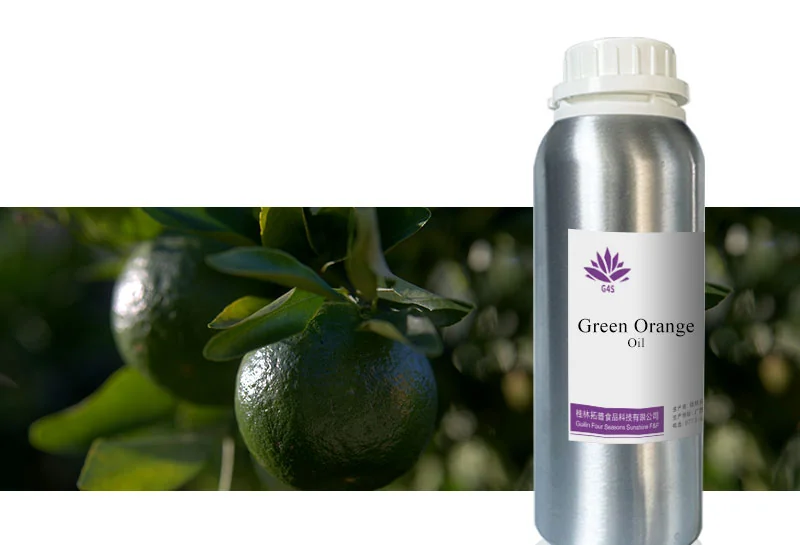
Is this green mandarin oil certified organic or natural?
TPS-RO-012 is certified natural at the raw-material level through its food/flavouring status, but it is supplied as a conventional (non-organic) oil. Organic certification is available as a project-based option when the volume justifies it.
Current Status and Options
| Item | Status | Note |
|---|---|---|
| Natural food-flavouring status | Yes | GB 29938-2020 / GB 2760-2024 permitted; FEMA 3043 GRAS; FDA 21 CFR §182.20 |
| IFRA natural-perfume raw material | Yes | Certificate of Conformity issued under IFRA 51st |
| Organic certified (EU/NOP) | No — conventional supply | Orchards use controlled cultivation; organic acreage is a separate programme |
| EU-organic conversion | Possible | Requires certified organic groves + a conversion period + audits (typically 24-36 months for trees) |
| NOP/USDA organic | Possible | Separate US audit chain, needs its own grower certification |
| COSMOS / Ecocert | Possible | Assessed for finished cosmetic products, not for the neat oil alone |
- Conventional green mandarin oil from Xinhui and other Chinese citrus regions is the mainstream supply; organic citrus oil is a specialty niche with a significant price premium
- If you plan an organic beverage or cosmetic line, talk to us early: we can reserve organic harvest windows and manage the certification paperwork with the grower base
- The "natural" word on your label does not need third-party certification in most markets, but traceability evidence (CoA, MSDS, origin statement) is always requested
- For any third-party mark (EU leaf, USDA seal, COSMOS), the finished product — not the oil alone — must go through its own certification process
Relate Products
This article was published on 2026-09-07, and last updated on 2026-09-29. The article will be continuously updated.