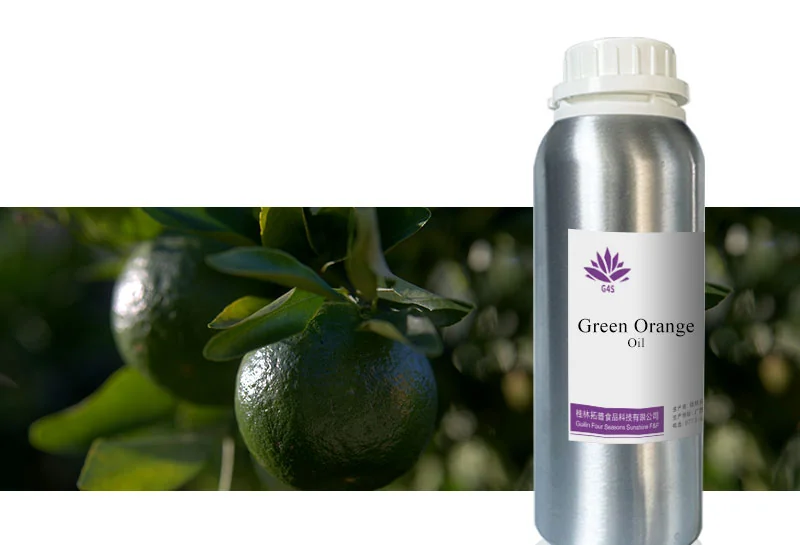
How does IFRA 51st and the EU allergen rule apply to this green mandarin oil?
Two rules interact for green mandarin oil: IFRA 51st Amendment sets a furocoumarin-based usage cap, and EU Regulation 2023/1545 (which replaces the older Annex III of the Cosmetic Regulation) sets mandatory label declarations for limonene and linalool.
IFRA and EU Position for Green Mandarin Oil
| Item | Value |
|---|---|
| IFRA 51st usage limit (perfume category 4) | ≤ 2% of the fragrance compound (furocoumarin restriction) |
| Basis of the cap | Natural evaporation residue 2-6% (furocoumarins such as bergapten) |
| IFRA Certificate of Conformity | Issued with each batch for fragrance use |
| EU 2023/1545 allergens ≥ 0.01% (leave-on) / ≥ 0.001% (rinse-off) | D-Limonene (65-75%), linalool (0.5-2.0%), citral (trace) |
| Who declares them | The finished-product brand must list them on the label |
- Limonene is the dominant component, so virtually every EU cosmetic containing this oil must declare it as an allergen
- The 2% IFRA cap is set to keep furocoumarin exposure below the phototoxicity threshold; for rinse-off products the limits differ
- Phototoxic furocoumarins (bergapten, etc.) are part of the natural peel oil; they are not removed by cold pressing
- If your formula needs higher doses, consider a furocoumarin-reduced (FCF) terpeneless version — we can discuss custom processing
- For food flavouring (FEMA 3043 / GB 2760), the cosmetic allergen rule does not apply — but food labels in some markets still ask for natural-flavouring transparency
Relate Products
This article was published on 2026-09-07, and last updated on 2026-09-29. The article will be continuously updated.