
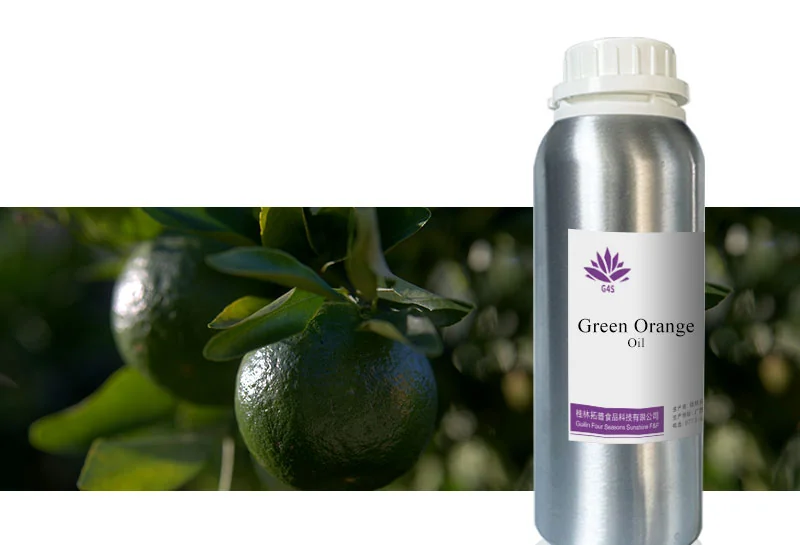
Does this green mandarin oil comply with EU REACH and the EU fragrance rules?
Yes. As a naturally occurring substance of plant origin, green mandarin oil falls under the REACH provisions for substances that occur in nature (Article 2(7)(b)) — it does not require standard REACH registration when used in its natural form. The EU rules that do bite are the fragrance-allergen labelling regime (EU 2023/1545) and the CLP classification/labelling rules.
EU Compliance Position
| EU instrument | Status for green mandarin oil | Practical effect |
|---|---|---|
| REACH (EC 1907/2006) | Natural-substance exemption | No registration dossier needed for the natural oil |
| EU 2023/1545 (allergens) | Fully applicable | Finished cosmetics must declare D-limonene, linalool, and citral above thresholds |
| CLP (EC 1272/2008) | Applicable | SDS and labels carry H226 / H315 / H304 statements |
| Cosmetic Regulation (EC 1223/2009) | Applicable | Ingredient listing as Citrus Reticulata (Tangerine) Peel Oil |
| IFRA Standards | Voluntary but market practice | CoC issued; 2% cap in leave-on categories |
- The REACH natural-substance exemption applies as long as the oil is not chemically modified; cold pressing preserves that status
- Our batch documentation includes the EU allergen declaration table computed from the actual GC-MS results
- D-Limonene at 65-75% is always above the labelling threshold, so it will appear on nearly every EU cosmetic label containing this oil
- For any EU destination, we supply the SDS in English GHS format meeting CLP requirements
- If your formula concentrates allergens from multiple oils, sum the amounts from each batch CoA when building the label declaration
Relate Products
This article was published on 2026-09-07, and last updated on 2026-09-29. The article will be continuously updated.