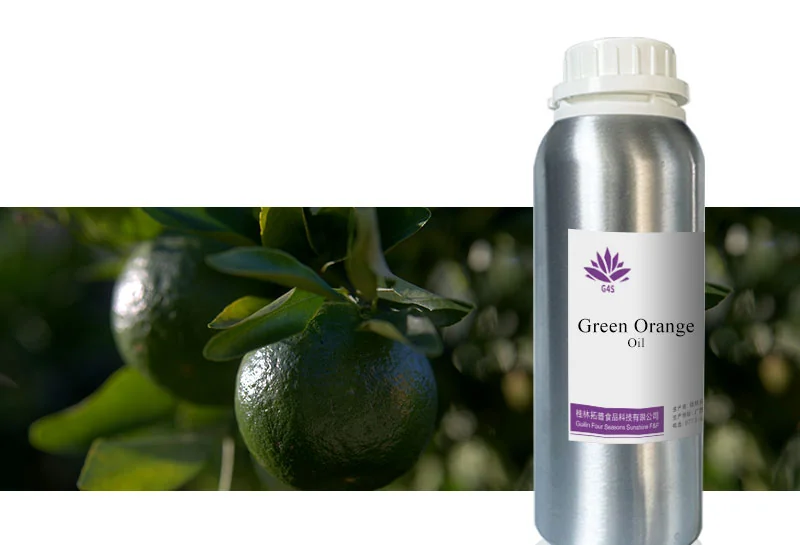
How does this green mandarin oil compare with ripe mandarin, sweet orange, and bergamot oils?
Green mandarin sits in the citrus family next to ripe mandarin, sweet orange, and bergamot — all cold-pressed peel oils with different ripeness, character, and price. Here is the honest comparison to help you choose.
Comparison Table
| Feature | Green mandarin (TPS-RO-012) | Ripe mandarin oil | Sweet orange oil | Bergamot oil |
|---|---|---|---|---|
| Ripeness | Unripe green peel | Ripe peel | Ripe peel | Ripe peel (bergamot fruit) |
| Odour | Green, sharp, slightly bitter citrus | Sweet, soft, fruity floral | Juicy, bright orange | Floral-citrus, perfumed, lavender-tinged |
| Gamma-terpinene | 16-22% (green signature) | 15-20% | ~2% | Low |
| MNMA (floral marker) | Present (0.2-0.8%) | Present | Trace | Absent |
| Phototoxicity | Yes (furocoumarins) | Low | Low | Moderate (bergapten) |
| Relative cost | Medium | Medium | Low | High |
| Best role | Green-tea, cologne, Asian accents | Sweet citrus-fruity top | Juice orange freshness | Classic perfumery citrus-floral |
- Buy green mandarin when you need a sharp, green, slightly bitter citrus — nothing else in the citrus family gives that "crunchy" green-peel note
- Choose ripe mandarin for sweet, fruity-soft top notes; sweet orange for juicy orange at the lowest cost
- Bergamot is the perfumer's citrus — but it is the most expensive and has stronger phototoxicity; green mandarin is a fresh, economical cologne alternative
- All four are GRAS food flavouring substances, but their allergen declarations differ (limonene dominates in all; bergamot adds more linalool and other markers)
Relate Products
This article was published on 2026-09-07, and last updated on 2026-09-29. The article will be continuously updated.