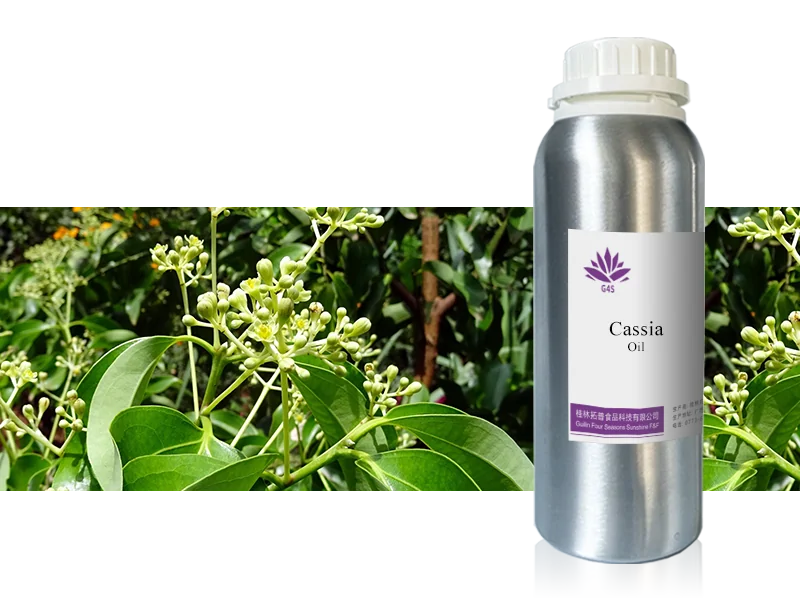
What IFRA restrictions and allergen declarations apply to this cinnamon bark oil?
Cinnamon bark oil is one of the most restricted fragrance naturals under the IFRA Code of Practice (51st Amendment). Its key components — cinnamal, coumarin, eugenol, cinnamyl alcohol — are restricted and/or limited, and it is a strong skin sensitizer that must be used with strict dilution control.
IFRA 51st Key Limits (in finished product)
| Restricted component | Max level | Note |
|---|---|---|
| Cinnamal (cinnamaldehyde) | ≤0.0673% (by category, up to 0.7% max for some categories) | Skin sensitizer, limit varies by category |
| Coumarin | ≤0.0796% | Sensitizer + phototoxic restrictions |
| Eugenol | ≤0.7767% | Sensitizer |
| Cinnamyl alcohol | ≤0.035% | Sensitizer |
| Isoeugenol (trace) | ≤0.0004% | May appear in trace |
EU 2023/1545 Allergen Labeling (6 allergens in cassia oil)
| Allergen | CAS |
|---|---|
| Cinnamal | 104-55-2 |
| Cinnamyl alcohol | 104-54-1 |
| Coumarin | 91-64-5 |
| Eugenol | 97-53-0 |
| Benzyl benzoate | 120-51-4 |
| Benzyl alcohol | 100-51-6 |
- EU labeling thresholds: >10 ppm (leave-on) / >100 ppm (rinse-off); compliance deadline 2026-07-31 (new products)
- We provide an IFRA usage-level recommendation and a complete allergen declaration (IFRA 51st format) with every fragrance/cosmetic order
- Recommended maximum skin concentration of the oil itself: typically ≤0.5-1% in leave-on products; always follow the IFRA category limit for your product type
- The oil is Skin Sens. 1A under CLP; a sensitization risk assessment should be part of your product safety dossier
Relate Products
This article was published on 2026-09-07, and last updated on 2026-09-07. The article will be continuously updated.