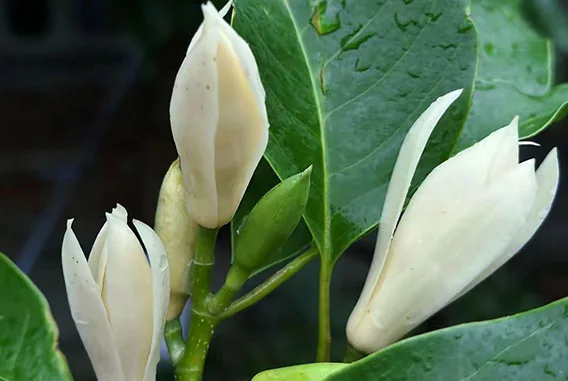
Which botanical species does this cinnamon bark oil come from, and where is it grown?
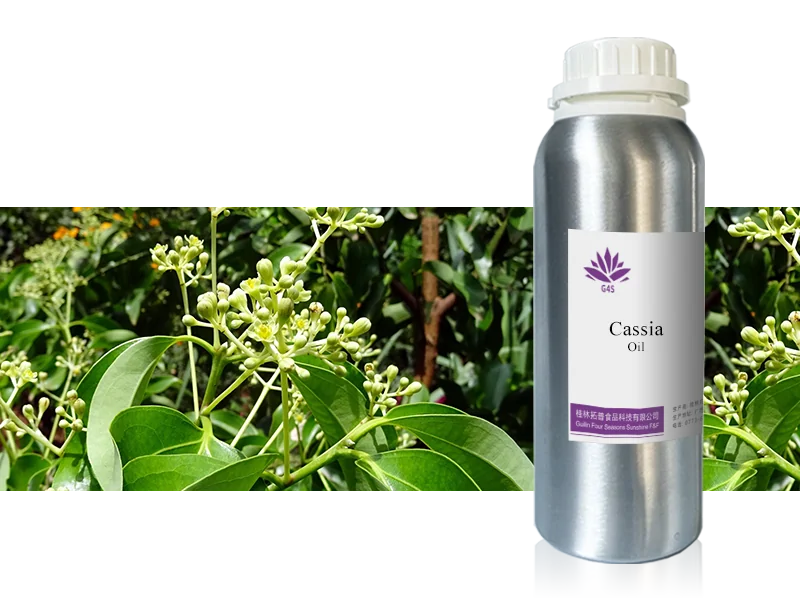
This cinnamon bark oil is steam-distilled from the dried bark and twigs of Chinese Cassia (Cinnamomum cassia (L.) J. Presl, syn. Cinnamomum aromaticum Nees), a member of the Lauraceae (laurel) family. It is one of the world's two great cinnamon varieties — the other being Sri Lankan Ceylon cinnamon (Cinnamomum verum).
Species & Origin
| Item | Detail |
|---|---|
| Botanical name | Cinnamomum cassia (L.) J. Presl — Chinese cassia (syn. Cinnamomum aromaticum Nees) |
| Family | Lauraceae (laurel family) |
| Part used | Dried bark and twigs |
| Product code | TPS-RO-008 |
| Main origin | Guangxi and Guangdong provinces, southern China ('Xijiang Gui', 'Dongxing Gui') |
| Reputation | Known for thick bark, red color, intense aroma and sweet-spicy flavor |
| Vs Ceylon cinnamon | Cassia is hotter, spicier and higher in cinnamaldehyde (85-90%+); Ceylon (C. verum) is milder, sweeter, lower in cinnamaldehyde |
- Chinese cassia has been cultivated in Guangxi and Guangdong for over a thousand years; Guangxi's Fangchenggang region is the world's largest cassia bark production area
- The oil from bark is distinct from cinnamon leaf oil (also derived from C. cassia) — bark oil is far richer in cinnamaldehyde and commands a higher price
- GB/T 11425-2008 names the material 中国肉桂油 (Chinese cassia oil) and ISO 3216:1997 defines it as 'Oil of cassia, Chinese type'
- Official Chinese common names: 肉桂油, 桂皮油, 玉桂油; CAS 8007-80-5; INCI: Cinnamomum Cassia Bark Oil
- Full botanical and harvest traceability is documented in the batch COA
Relate Products
This article was published on 2026-09-07, and last updated on 2026-09-07. The article will be continuously updated.