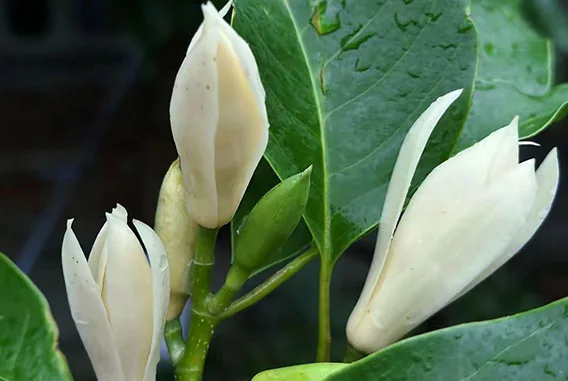
How is this bergamot oil extracted, and which method is preferred?
Bergamot oil is obtained by two main routes — cold pressing (the premium method) and steam distillation (the auxiliary method) — plus a special bergapten-free (FCF) refining stage for cosmetic-grade oil.
Extraction Methods
| Method | Process | Key advantage |
|---|---|---|
| Cold pressing (preferred method) | Mechanical peel scraping under running water → emulsion → disc centrifuge (6000-8000 r/min) separation → filtration | Preserves heat-sensitive esters (linalyl acetate); premium for fine perfumery & food; yield 0.4-0.5% (approx. 200 kg fruit → 1 L oil) |
| Steam distillation | Crushing peel → steam distillation at 100-105°C → condensation → oil-water separation | Slightly lower yield but degrades phototoxic furocoumarins; suited to pharmaceutical/industrial grades |
| Bergapten-free (FCF) refining | Cold-pressed crude → vacuum fractionation / molecular distillation (40-80°C, 0.1 kPa-1 Pa) | Removes phototoxic bergapten to ≤1 ppm while retaining about 95% of the aroma; essential for EU cosmetic use |
- The traditional Calabrian 'Sfumatura' sponge method and the 1840 'Macchina calabrese' peeling machine are still used for small-batch artisan production
- Cold pressing is preferred for the highest quality because the heat-sensitive ester linalyl acetate — the signature of fine bergamot — survives intact
- Steam-distilled oil is darker and less floral; it is mainly used where furocoumarin reduction is the priority
- Our factory offers all three routes on the same line: cold-press line (perfumery/food grade), distillation line (pharma/industrial grade) and BFCF line (cosmetic grade, bergapten ≤1 ppm)
- Recommended process routes: cold pressing → HPLC/GC testing → filling for premium grades; BFCF route adds vacuum fractionation → HPLC check (≤1 ppm) before filling
- Method of extraction is declared on the batch COA
Relate Products
This article was published on 2026-09-07, and last updated on 2026-09-29. The article will be continuously updated.