How does bergamot oil compare with lemon, sweet orange and neroli?
Bergamot sits between the simple 'food citrus' oils (lemon, sweet orange) and the exclusive floral-orange oils (neroli, petitgrain) — it is the only citrus that smells floral, which explains its premium positioning.
Comparison Table
| Oil | Family | Aroma | Phototoxicity | Typical price level | Best use |
|---|---|---|---|---|---|
| Bergamot | Citrus aurantium subsp. bergamia | Citrus-floral, complex, elegant | Yes (cold-pressed); FCF available | Mid-high (specialty) | Fine fragrance, Earl Grey, cosmetics |
| Lemon | Citrus limon | Sharp sour citrus, cleaning-fresh | Yes (limonene & coumarins) | Low (commodity) | Cleaning, food, mass fragrance |
| Sweet orange | Citrus sinensis | Juicy sweet simple citrus | Mild | Low (commodity) | Juices, cleaning, mass products |
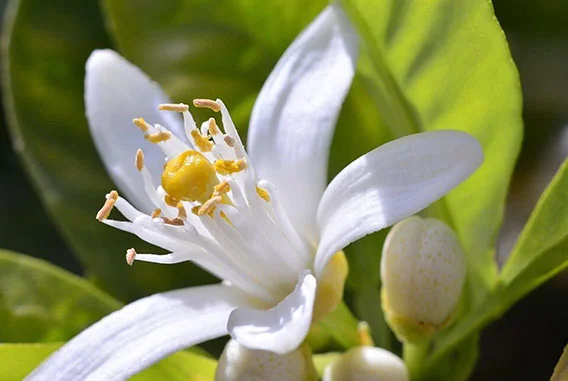
| Neroli | Citrus aurantium (blossom) | Exquisite white-floral, honeyed | No | Very high (rare) | Luxury perfumery |
| Petitgrain | Citrus aurantium (leaves/twigs) | Woody-floral green citrus | No | Mid | Cologne, mens fragrance |
- Bergamot's floral facet comes from its linalool/linalyl acetate profile — the same esters that make lavender and neroli floral
- Price ladder (typical): sweet orange < lemon < petitgrain ≈ bergamot < neroli
- If you need a bright top note at low cost, lemon or sweet orange works; if you need elegance and lift in a perfume, only bergamot delivers
- For sun-exposed cosmetics, FCF bergamot replaces cold-pressed at a small premium without losing the signature scent
Relate Products
This article was published on 2026-09-07, and last updated on 2026-09-29. The article will be continuously updated.