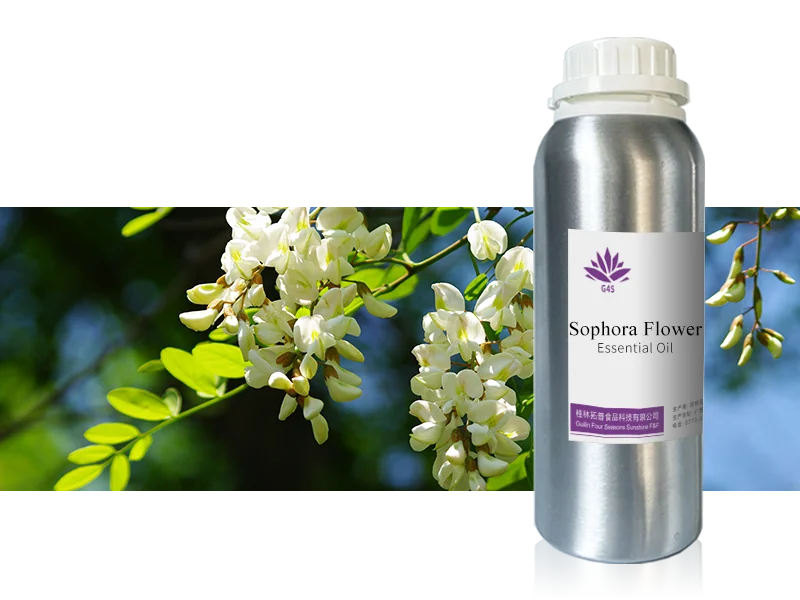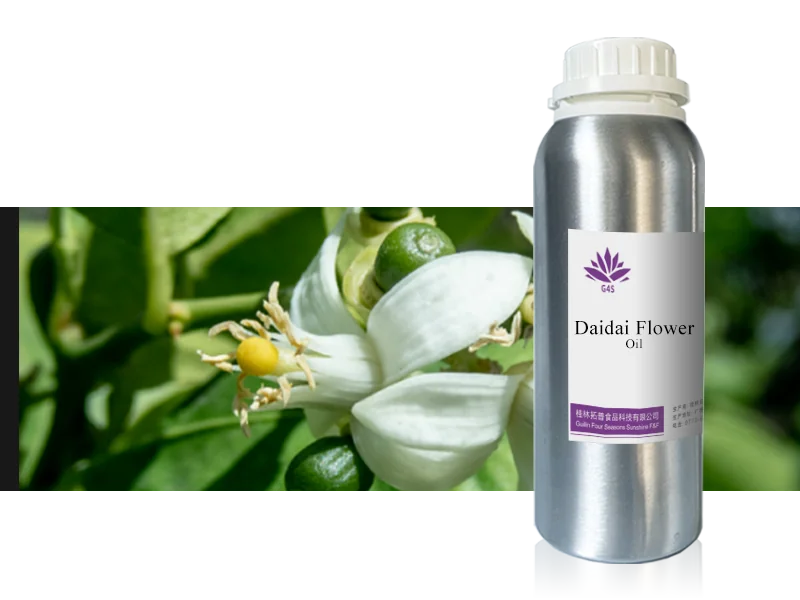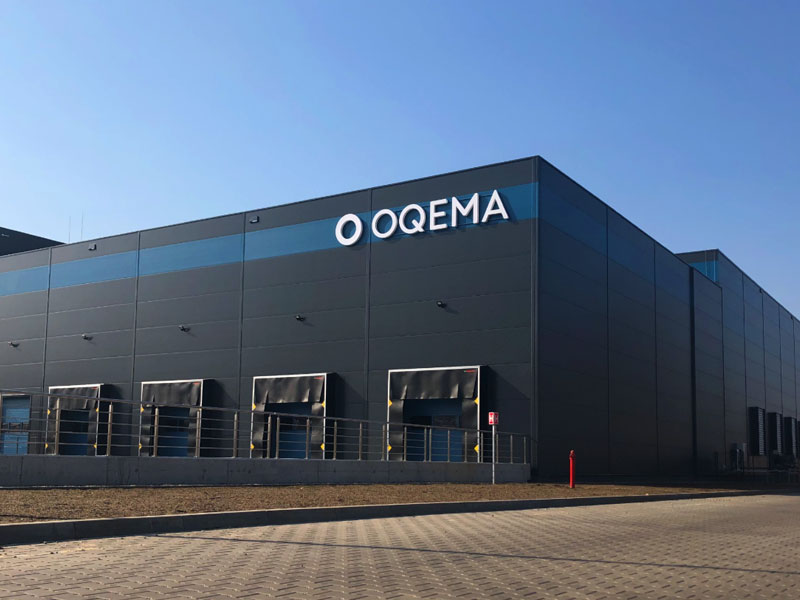
There is a role in this industry that outsiders rarely notice: the distributor. Flavour houses look after formulas, raw material producers look after production, and the layer in between that moves goods from the production end to the formulation end is the distributor — the range has to be complete, the stock sufficient, the documents in order, the delivery fast, and the money is made on efficiency and reliability. OQEMA is among the largest in that layer in Europe: founded in Mönchengladbach, Germany, in 1922, starting from regional chemical trading, and grown over decades through regional expansion and acquisition into a chemical distribution group covering more than twenty European countries with dozens of branches and warehouses and over a thousand employees worldwide. In recent years OQEMA has singled out flavours, fragrances and aroma chemicals as a focus, and has become an important supply platform in this field. It is through this platform that our natural aroma materials enter Europe.
A distributor's business logic differs from a producer's. A producer watches the line and the batch; a distributor watches the customer list and stock turnover. A downstream customer may want only two hundred kilos of a material at a time and still needs it next week; a flavour house may be discussing thirty varieties at once and cannot start work if one is missing. So when OQEMA chooses a supplier, beyond price and specification it weighs three things: can the goods arrive on time reliably, can the documents pass first time, and can a person be found when something goes wrong. Most of the homework we did in the first year with OQEMA was on those three things. Europe's compliance thresholds are real as well — REACH registration, safety data sheets, labelling requirements: if one item does not match, the whole shipment sits at the port.
The business divides into five: aroma chemicals and aroma materials, supplying synthetic and natural aroma materials to flavour and fragrance companies; flavour and fragrance products themselves; personal care and cosmetic ingredients; food and nutrition ingredients; and base and specialty chemicals covering pharmaceuticals, coatings, industry and other downstream sectors. What we entered is the first — natural aroma materials that can go onto a European specification sheet. That position sounds simple, but the requirements are concrete: a batch has to be traceable forwards to the specific plot and harvest date. For us that is not an extra service, it is simply the habit — which plot it came from, which day it was picked, which process it ran, all of it can be traced backwards. A colleague from OQEMA came to see a base once, and after the visit said one sentence: because you can account for things down to the plot, we stand a little straighter when we sell in Europe.
On this flavour and fragrance chain, position shapes character. Upstream, working in raw materials, you deal with soil, temperature and yield every day, and it is slow. Midstream, in distribution, you deal with customers, stock and delivery dates every day, and it is fast. Downstream, in flavours, you watch the taste of that one drink or bottle at the end, and you want steadiness. None of the three can replace the others — we could not run customers in Europe, and OQEMA could not come back and farm. What keeps the cooperation long-lived is each side holding its own position. OQEMA's strengths lie where we cannot reach: the European customer network, warehousing and logistics, compliance experience. Ours lie where OQEMA cannot reach: the raw-material land of Guangxi, thirty years of extraction craft, production lines whose parameters we can tune ourselves. If there is a real consensus between the two sides, it is a few plain sentences: the goods must be steady, not one batch good and the next poor; the documents must be true, not patched together at the last minute; the price must be clear, no games; and when something goes wrong, solve the problem first and discuss responsibility after. Nobody cares more about those than a distributor.
The earliest cooperation began with an unremarkable variety, and the volume was not large either. The first shipment went by sea and could not be put into stock when it reached the European warehouse — not a quality problem, but packaging and documents: pallet specification, label content, the items on the safety data sheet, none of them matching what the European warehouse required. That shipment sat at the port for a while, and in the end it was solved by redoing the whole set of documents and labels. We did not lose much money, but the lesson was solid: whether you can make the thing is one matter, whether it can get smoothly into the customer's warehouse is another. Since then we have treated the whole export package as part of the product.
Later, every line on the specification sheet we gave OQEMA stood for a piece of work in the workshop. Purity rests on molecular distillation, taking purity up another notch and pressing impurities down. Residue rests on supercritical fluid extraction — low temperature throughout, no solvent entering the process — so this item moves from "detected" to "not detected". Aroma consistency rests on Living-Fragrance physical extraction, moving the plant's original aroma structure across intact by physical means, combined with dynamic multi-stage counter-current extraction to pull the actives out more cleanly, so the step between batches becomes small. Dosage rests on aroma concentration: the effective aromatic fractions are enriched, so usage is small and performance controllable, and downstream customers have an easier time costing a formula. Longevity rests on molecular distillation and controlled release, which let the aroma release steadily and last longer. These five lines we go through with OQEMA once a year, and which line should be raised is decided together. Later, a change came that neither of us had expected: downstream customers began asking for our material by name, and on enquiry sheets we no longer had to explain the parameters over and over.
On supply, we prepare a full quarter's volume at once, so neither side has to worry about emergency replenishment; packaging specifications follow OQEMA's warehouse holdings rather than what is convenient for our line. Service is direct as well: we follow REACH and EU documentation ourselves rather than leaving OQEMA to fill the gaps behind us; freight, insurance and document fees are written into the quotation item by item, with no games around landed price. Market news flows both ways — whoever hears a rumour first lets the other know. A distributor sits close to the market, and that information is worth more than anything.
For the years ahead, what the two sides need to do together is clear: take the existing varieties deeper, compress the process for introducing new items a little further, and make the European documentation system more complete. OQEMA has a customer network, warehousing and logistics across more than twenty countries; we have thirty years of extraction craft and the raw-material land of Guangxi. Each holds its own position and neither crosses the line — that is the only way the road stays long.
This article was published on 2026-09-14, and last updated on 2026-09-21. The article will be continuously updated.