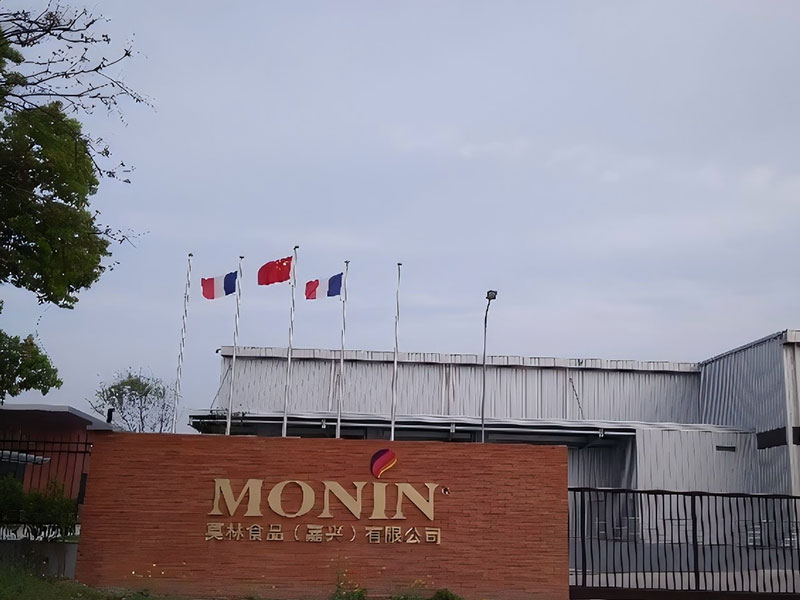
Syrup is another world. Water is nothing at all, so anything added to it shows; syrup is the opposite — a lot of sugar, little water, slightly acidic — and once an aroma goes in it is wrapped by the sugar: not obvious to the nose, and only slowly released in the mouth. Working with aroma in syrup is not the same as working with aroma in water; plenty of materials that perform beautifully in water behave, once in syrup, as if their heads were being held under. MONIN was founded in France in 1912 by Georges Monin — a family business going for over a hundred years, starting from liqueurs and syrups, and today the flavour brand most often seen behind bars, in cafés and in restaurants. Its products run from classic syrups, the sugar-free range and the PURE range to concentrates, fruit purées, frappés, cocktail mixes, sauces, liqueurs, and high-end botanical lines such as PARAGON. Its users are not factories but bartenders and baristas — people with sharp noses, plenty of ideas, and a particular willingness to experiment.
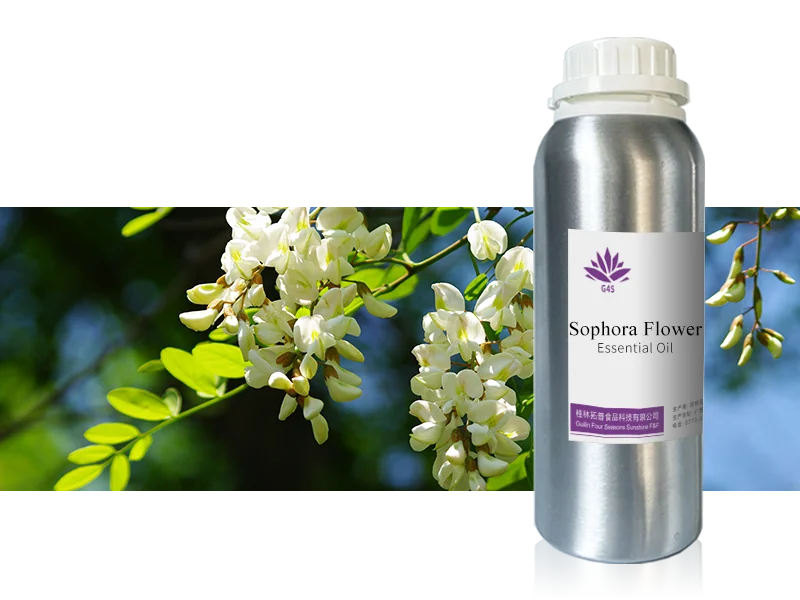
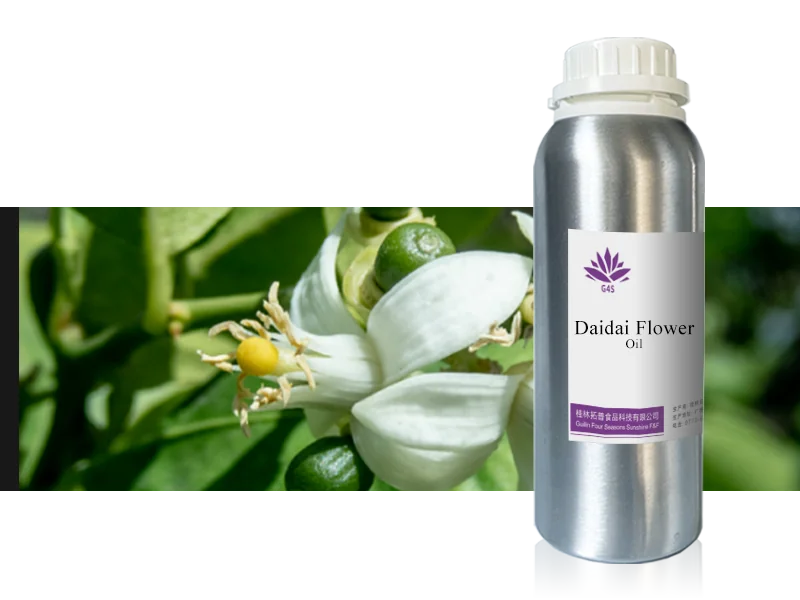
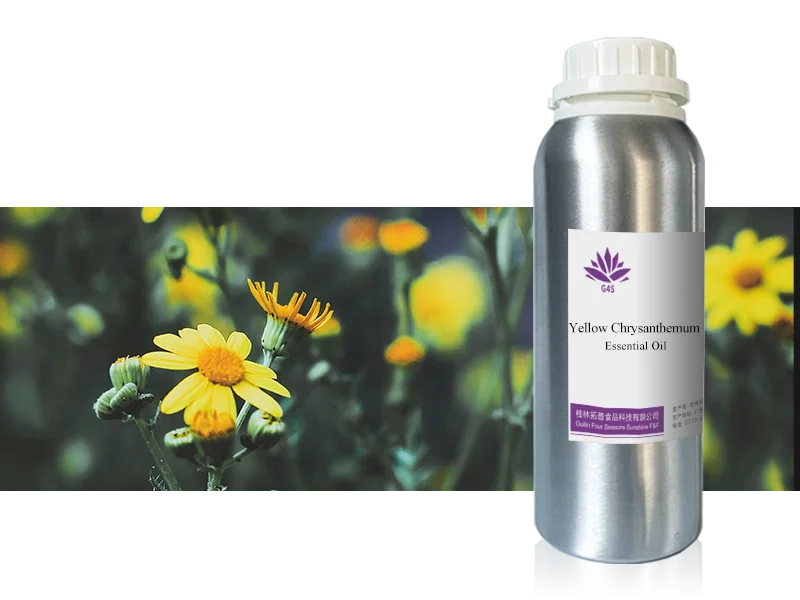
Making material for bartenders is not the same as making it for factories. A factory wants consistency; a bartender wants inspiration. MONIN launches quite a few new flavours a year — sakura, immortelle, ruby chocolate, matcha green tea concentrate — names that sound like perfume, yet the work behind them is thoroughly practical. What we supply to MONIN is the natural aroma materials for the syrup, concentrate and purée lines. Here we have an advantage others do not: we hold stock of niche botanical aroma types. Sakura and immortelle were not things we went looking for after the client raised them; we were already doing them — which flowers in the Guangxi hills, when to pick them, how to extract them, whether they hold up afterwards, all worked out long ago. Niche aroma types do not make money: small volumes, high requirements. But accumulated, they become the thing nobody else has. When MONIN came to us, what we had to do was not develop — it was take them off the shelf.
What the two companies have in common is that both treat "creativity" as serious business. MONIN's brand philosophy is "life is a journey of creativity" — romantic to say, but in business terms it means new flavours every year, competitions for bartenders like the MONIN Cup, and themed launches following the seasons. It is the same with us: new varieties and new processes tried every year, because there are so many plants in these mountains and we have only worked on so few. Creativity in this trade is not a flash of inspiration; it is built on craft — you can think of the taste, but you also have to be able to take it out of the plant intact and make it stably. An idea you can think of but cannot make is not an idea. MONIN understands that, so the first thing they looked at with us was not the product catalogue — it was the workshop.
The cooperation began with a botanical flavour: the client wanted a floral note that "smells like the real flower, not a flower in perfume". The real hurdle was the sugar. The first version of the material was good on a smelling strip, and gone the moment it went into syrup — the sugar locked the aroma in, so there was nothing to smell at the instant of pouring, and it only came out in the mouth. For a bartender that will not do: a drink is set down, the customer cannot smell anything, and they have already marked it down. What we changed was the release: raise the proportion of the low-threshold, easily volatilised components so it can be smelled at the instant of pouring; and at the same time use aroma concentration to build enough intensity, so the front does not come out with nothing behind it. After the change, the syrup had aroma at all three stages — opening the bottle, pouring, and drinking.
Talking about technology is clearest by the three troubles of working in syrup. The first is sugar locking the aroma in — the aroma is held down by the high-sugar system and cannot release; that rests on adjusting the proportion of low-threshold, easily volatilised components, plus concentration to raise the intensity, so it "cannot be held down". The second is acid changing the note — syrup is acidic and low in pH, and some aroma components change character in acid or even turn bitter; that rests on molecular distillation cutting by boiling range and pressing out the components that are unstable in acid, making an acid-resistant specification. The third is separation over time — syrup is viscous, and material that does not dissolve properly will separate and haze; that rests on pushing refining depth up to make a fully soluble version. Under those three sit two basic disciplines: supercritical fluid extraction, low temperature throughout with no solvent entering the process, so the natural character stands up; and Living-Fragrance physical extraction, moving the plant's original aroma structure across intact by physical means, so the aroma is "true".
On supply, MONIN's rhythm follows the competition season and the seasons of the year — the MONIN Cup, seasonal flavour launches — so we prepare in advance; innovative varieties come in small volumes and we take them too, without pushing them to the back of the queue for being small. On service, how the material performs in a syrup system is measured in full: high sugar, low pH, long-term storage, all given to the client as data; when the client's bartenders come to exchange, we give the aroma description, blending suggestions and method of use together, in plain words rather than a pile of parameters. MONIN's technical team has been to our bases and taken us to see the raw material gardens they plant themselves — their commitment to "learning to grow raw materials independently" is real.
For the years ahead, what the two sides need to do together is clear: take the niche aroma types of the botanical line a little deeper, build up the aroma body of the sugar-free range, and work more closely on landing creative ideas. Creativity needs craft underneath it — MONIN has been on that journey of creativity for over a hundred years, and we have been at this craft for thirty; together they make one stretch of road.
This article was published on 2026-09-14, and last updated on 2026-09-21. The article will be continuously updated.