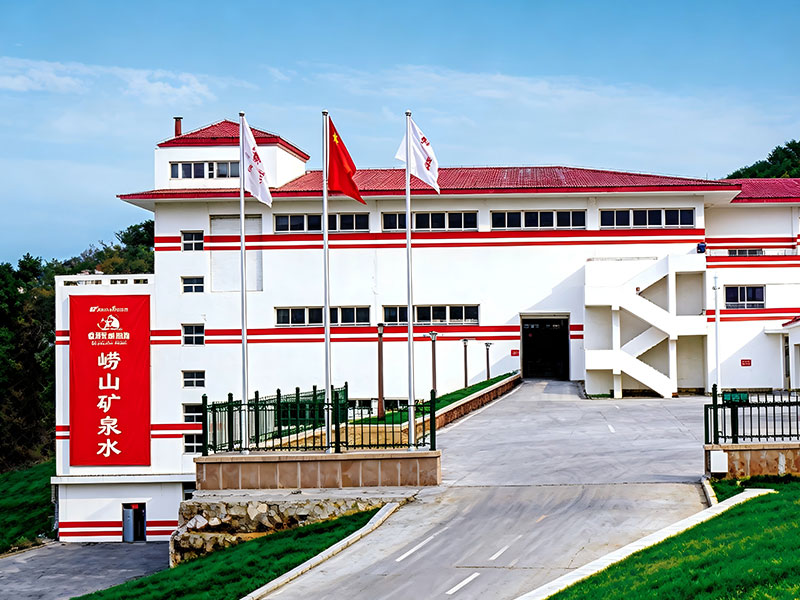
Water is the hardest thing to flavour. That is not a paradox; it is a difficulty everyone in the trade knows. Wine, milk and sauces have a base taste of their own that can carry an aroma and cover an off-note; water has nothing, so the slightest extra note is magnified — a touch too much and it turns fishy, too little and it is not there; a hint of oil shows as a ring on the surface, and a trace of colour is clearly visible in a transparent bottle. People who make water are fussier than people who make other drinks. Laoshan does the hardest kind: the source comes from the ancient glacial remains of Mount Laoshan, dating back some 2.58 million years, a rare low-mineralisation water source — few minerals, soft mouthfeel, which also means there is nothing else in the water to help: how good it tastes depends entirely on the water itself, and everything added to it has nowhere to hide. The Laoshan brand began in 1900, started by Germans after they discovered the source; the Laoshan Soda Water Company was founded in 1931 to industrialise it; a modern company was established in 1998; and today it is the core brand of Qingdao Beverage Group, with mineral water, white snake grass water, Laoshan Cola, herbal sparkling water and soda water among its lines.
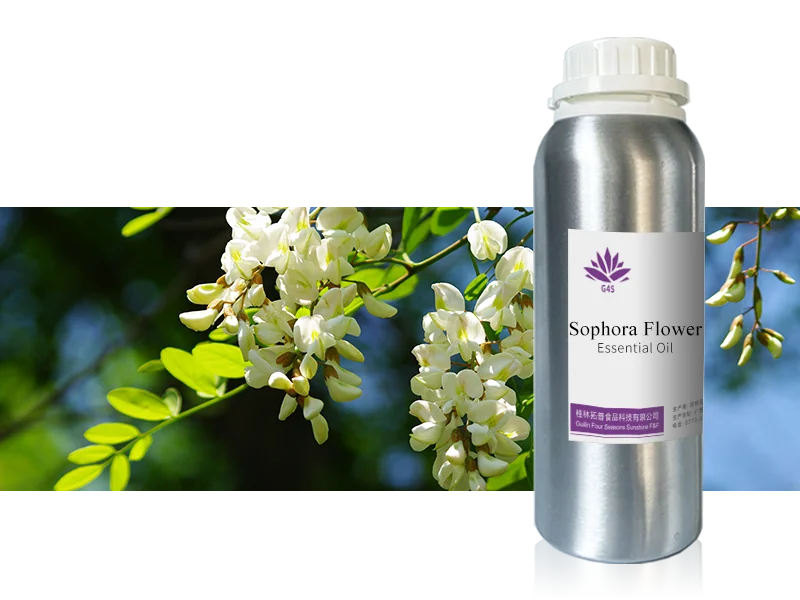
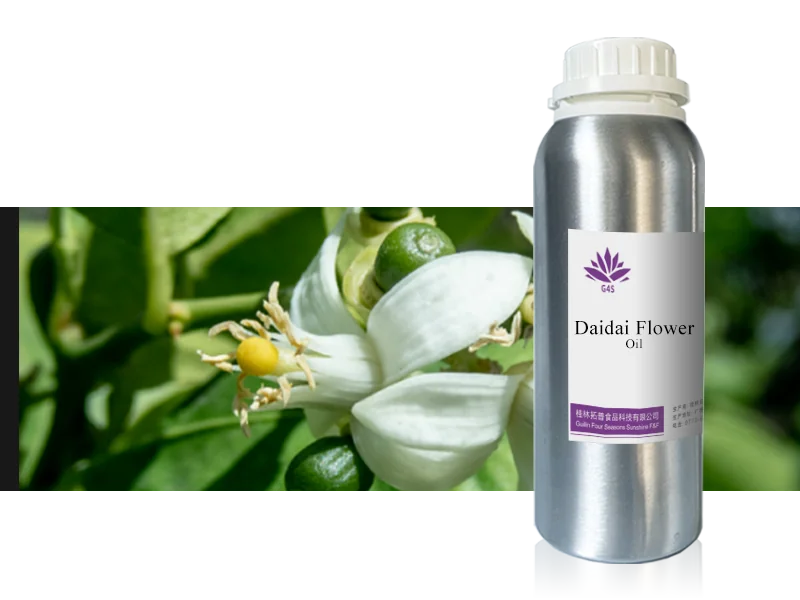
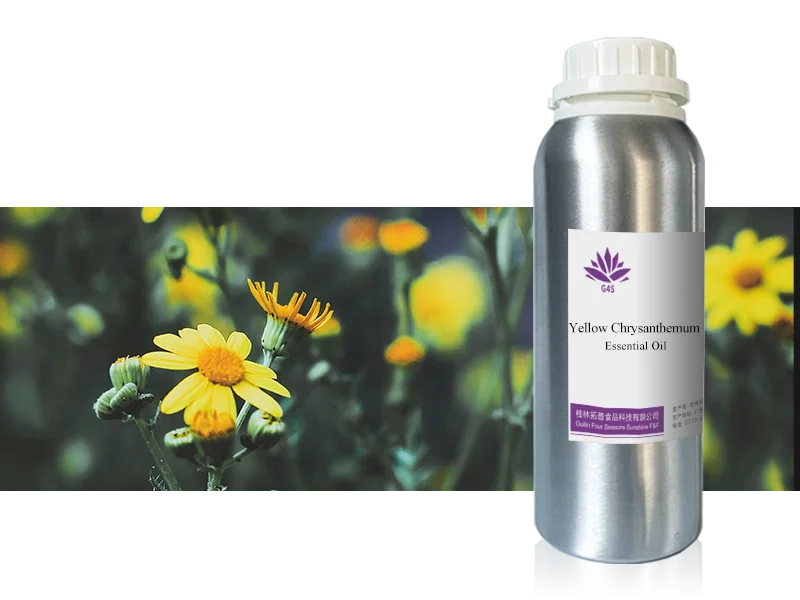
What we supply to Laoshan is the natural aroma materials for these lines — herbal, floral and fruity. The first requirement of a water system is "you cannot see that it was added": fully water-soluble, no oil ring, no haze, not the slightest sediment. The second is an extremely small dosage, because water magnifies taste — the amount added is often a fraction of what other beverages take. The third is that the colour must be almost nothing: in a transparent bottle, the smallest shade is read by consumers as a quality problem. Those three sound simple; delivering them depends on process — refining depth pushed forward, molecular distillation pressing down impurities, pigments and the poorly soluble components, so the material comes out light, clear and stable. Laoshan Cola speaks of "the Chinese taste of botanicals", the herbal sparkling water of "enjoy the food, not the upset stomach" — both positions require clean raw material: the clean bitterness of herbs can be a feature, but off-notes cannot.
There is one place where the two companies are very alike: both are guarding a natural source. Laoshan guards a water source — the water left by an ancient glacier, less with every drop taken — so the company is strict about ecological protection of the catchment. We guard the growing bases in the mountains and those old varieties — a plot farmed for thirty years has soil that has matured, and the aroma holds steady. A source is something that exists if you can guard it and disappears if you cannot. Everyone running a business wants to expand, but some things cannot be expanded: the catchment is only so large, and there are only so many good plots. So when the two sides talk about cooperation, what is discussed is often not volume but "can this plot still be held" and "will this variety still be here next year". Conversations like that are rarely heard with other clients.
The cooperation began with a herbal sparkling water. What the client wanted was "herbal but not bitter" — the clean bitterness of herbs is a feature, but sparkling water has to be refreshing to drink, and if the bitterness is heavy it becomes medicine. The real hurdle came after: once the first batch of material was added, a very thin ring of oil floated on the surface, and after two days standing there was a trace of haze at the bottom of the bottle. In another beverage that might not count as a problem; in mineral water it is visible at a glance. We went back and pushed refining depth forward another notch, pressing out completely the components that dissolve poorly in water, and made a new fully water-soluble specification; at the same time we pressed the dosage down, using aroma concentration to enrich the actives so that less is added and the taste is still there. After the change, that sparkling water was as clear as water, smelled cool and herbal, and did not taste bitter.
Talking about technology is clearest by the three requirements of a water system. The first is full solubility, no haze, no oil ring — that rests on molecular distillation cutting away the poorly soluble fraction and refining pressing insolubles to a minimum. The second is presence at an extremely low dosage — that rests on aroma concentration, enriching the actives so that a few parts per thousand are enough to hold it up, and adding less also means carrying less off-note in. The third is light colour — again molecular distillation's work, pressing down pigments and heavy boiling components to produce a light-coloured version. Under those three sit two further basic disciplines: supercritical fluid extraction, low temperature throughout with no solvent entering the process, so the natural character stands up and fewer off-notes come along; and Living-Fragrance physical extraction, moving the plant's original aroma structure across intact by physical means, so the aroma is clean rather than muddy.
On supply, water does not travel well over long distances and bottling plants sit close to the source, so we schedule to the bottler's rhythm and ship nearby, never letting them stop a line waiting for material; when the client runs trial production the volume is small, so we make dedicated packaging for the trial volume rather than making do with a large drum. Service is fine-grained too: how the material behaves in a pure water system is measured first — solubility, clarity, stability at different temperatures, change after exposure to light, all supplied as data; when the client runs taste tests we provide samples at several gradients so they can reach a conclusion in one comparison. The client's people have been to our bases, and they took us to see the Laoshan water source as well.
For the years ahead, what the two sides need to do together is clear: make the herbal line cleaner, take the mouthfeel of the sparkling water range up a notch, and support the sugar-free line well. Only if the source is held is there anything to do afterwards — Laoshan has held one for over 120 years, and we want to keep holding ours too.
This article was published on 2026-09-14, and last updated on 2026-09-21. The article will be continuously updated.