To introduce dsm-firmenich, you have to start with two old houses. Firmenich was born in Geneva, Switzerland, in 1895, and for more than a hundred years has been in the business of scent and taste — one of the largest privately held flavour and fragrance companies in the world, with its perfumers standing behind many of the fine fragrances people know by heart. Royal DSM, founded in the Netherlands in 1902, began as a Dutch state mining company and later turned itself, step by step, into a materials and ingredients group known for nutrition, health and bioscience. In 2023 the two companies formally merged into today's dsm-firmenich: a group that carries a century of perfumery craft on one shoulder and modern nutritional science and biotechnology on the other. Since the merger, annual revenue has reached the scale of ten billion euros, headcount is close to 30,000, and R&D and production sites are spread across dozens of countries in Europe, North America, Latin America and Asia-Pacific. Its client list covers nearly every major perfume, home and personal care, food and beverage, and nutrition brand in the world.
The character of this company, in dsm-firmenich's own words, is "science and creativity running side by side". Inside its R&D system, perfumers and scientists sit at the same table: on one side the intuition for what smells beautiful, on the other analysis and verification at the molecular level. dsm-firmenich puts great weight on sustainability and natural origin, writing traceability and responsible sourcing into its long-term goals, and committing publicly to continued investment in the traceability, carbon footprint and social responsibility of its natural materials. We have felt that first-hand. When a material is proposed, what dsm-firmenich asks for is not merely a COA — it wants the whole story to hold up: where it is grown, who grows it, when it is harvested, which process extracts it, and what the purity figures and stability data are for every single batch. Everything has to be explainable and traceable to the bottom. At first that rigor made the process feel long. After years of working together it has turned into a kind of trust instead: because the standard is written down, neither side has to guess.
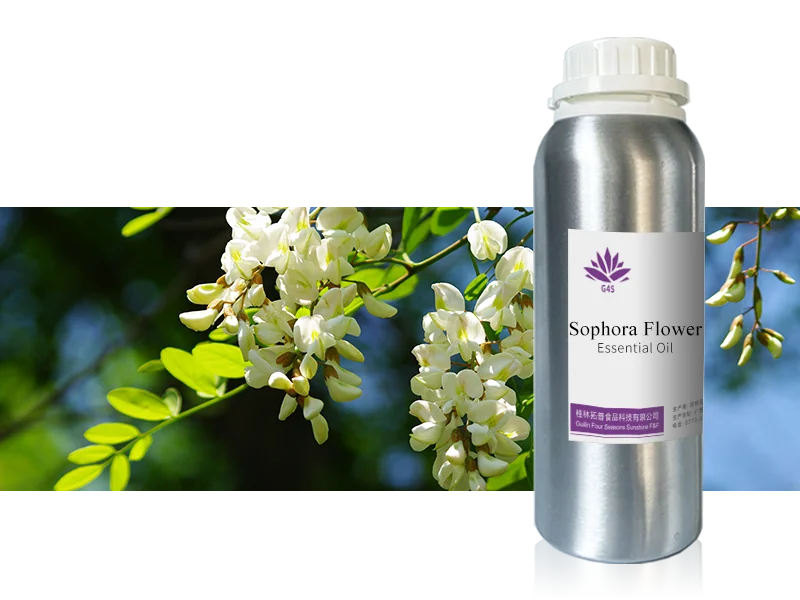
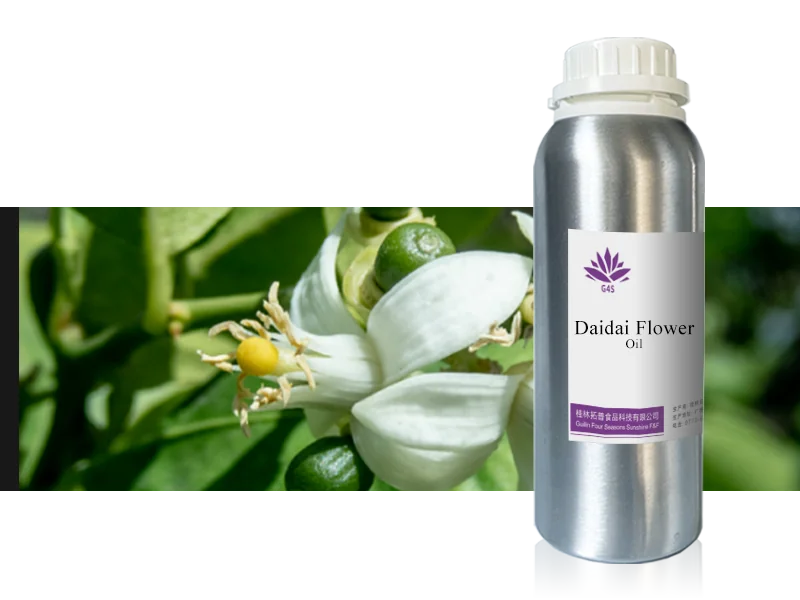
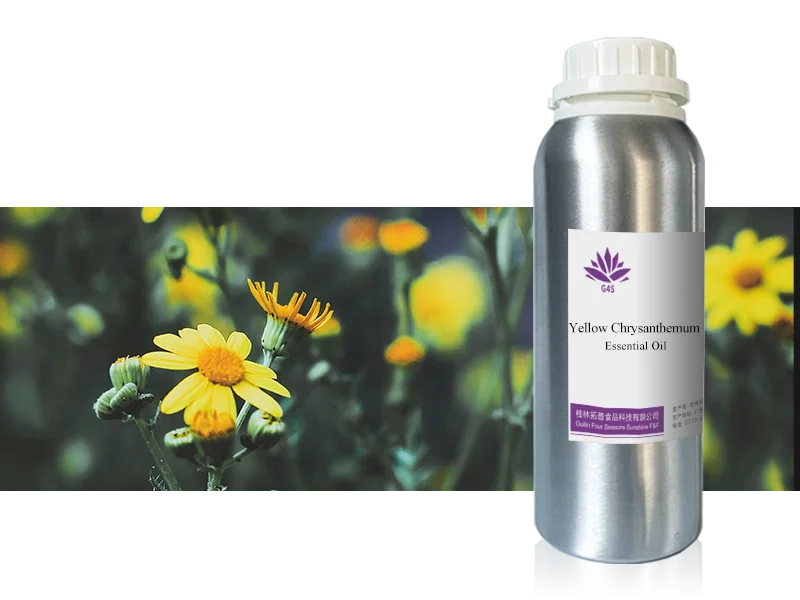
Look at the portfolio and the business divides roughly into four parts. The first is Perfumery & Beauty: fine fragrance compositions, fragrances for home and personal care, and the natural aromatic materials that support them. The second is Taste, Texture & Health: flavour solutions for food and beverage, together with sugar reduction and mouthfeel work. The third is Health, Nutrition & Care, where nutritional ingredients and biotechnology are combined with flavour and fragrance capability to serve the health-conscious consumer. The fourth is Animal Nutrition & Health. The part most closely tied to Guilin Four Seasons Sunshine sits upstream of the first two: the natural aromatic bases that perfumery and personal care need, and the plant-extract fraction in food and beverage that is allowed to be labelled "natural". That is exactly our home ground. The aromatic crops and botanical resources of Guangxi, the growing bases we have worked with for years, and a chain that runs from extraction, separation and purification all the way to finished-product development inside our own plant — together they let us take on dsm-firmenich's natural material needs across several categories.
Ideals all look alike in a brochure. You only see the difference when they land on real work. Over these years with dsm-firmenich, three things have convinced us that we are the same kind of people. The first is that they value the batch more than the sample. A sample can be made beautiful; what dsm-firmenich actually wants is that the material arriving six months later, or a year later, is still the same as that first sample. We have a plain saying internally: with natural materials, the hard thing has never been making one good batch — it is making every batch after it worthy of the first. The second is refusing to compromise on "natural". If it can be done without heat, no heat; if it can be done without solvent, no solvent — even at higher cost and lower yield. Our supercritical route and our Living-Fragrance route were, to put it plainly, forced into existence by that refusal. The third is a willingness to spend money on things you cannot see. Sustainable sourcing, origin traceability, social responsibility — none of it shows up on a quotation, yet dsm-firmenich invests in it every year. The money we put into growing bases, partnerships with farmers and standardised cultivation is spent the same way, year after year: no visible return in the short term, and not a single step of it can be skipped in the long term.
The cooperation did not run smoothly from day one. There was one shipment we still remember clearly: every parameter passed, nothing wrong you could point at in the report, and yet dsm-firmenich's perfumer came back saying the aroma was "a little dull". That is the hardest kind of feedback to handle, because no instrument can measure it. We went through that batch from the beginning and finally found the problem in extraction temperature — two degrees higher. The yield looked better, but the liveliest part of the top note was gone. From then on we changed several things in the process: the extraction stage moved to Living-Fragrance physical extraction, bringing the temperature down and keeping the plant as close to its original state as possible; projects with very strict limits on solvent residue run through supercritical fluid extraction, low temperature throughout, no solvent left behind; aroma concentration resolves the tension between dosage and performance; dynamic multi-stage counter-current extraction raises efficiency while losing less of what matters; and molecular distillation and controlled release at the end push purity further while making the release steadier and the scent last longer. That experience also added a rule on our side: passing specification is only the pass line — whether the aroma is right has to be decided by someone smelling it. Everything we sent afterwards came back with the same comment from dsm-firmenich: the aroma profile matches batch after batch, the figures stay inside a very narrow band year-round, and the application side hardly ever has to adjust anything for our material.
In volume, the relationship has moved from a first trial order of a few dozen kilos to small batches, then to regular purchasing under an annual framework, and today it is measured in tonnes. The plant covers 25,000 square metres, and pilot runs and bulk runs follow the same parameter logic without switching equipment routes in between — one of the reasons the batches hold steady. On scheduling we keep a buffer, so a rush order coming in does not disturb existing delivery dates. On service, when dsm-firmenich raises a custom request, our habit is to come back with a proposal first and talk price second; sampling usually comes out within a few days without being chased; reports, retained samples and traceability documents go out together, so dsm-firmenich's quality team never has to come back asking for paperwork. After all these years, the people on both sides have turned over several times, but the rule has not changed: look at the sample first, then talk about price.
Looking further ahead, there are a few items sitting on both calendars: joint screening of new materials, continuous process optimisation, and preparation ahead of regulatory change. dsm-firmenich's judgement of global markets, together with our thirty years of accumulation on the extraction side and the capacity we actually have, can accomplish more together than either side could alone. This cooperation, in the end, is not a case of one party selling and the other buying. The two teams are on the same chain; each does its own job well, and the thing gets done.
This article was published on 2026-09-14, and last updated on 2026-09-21. The article will be continuously updated.