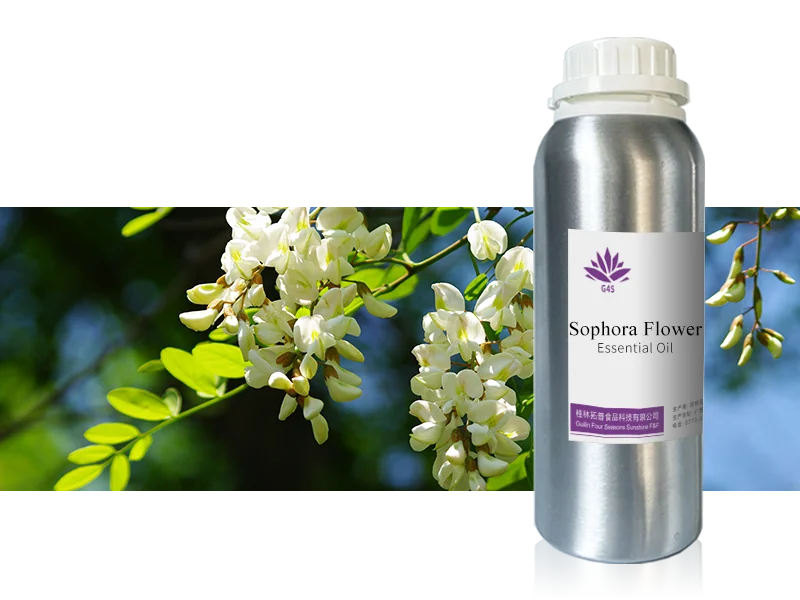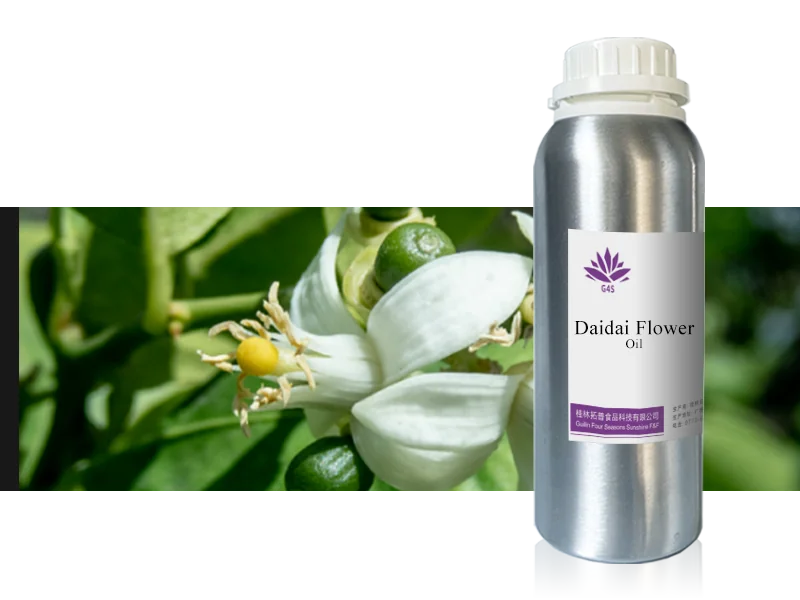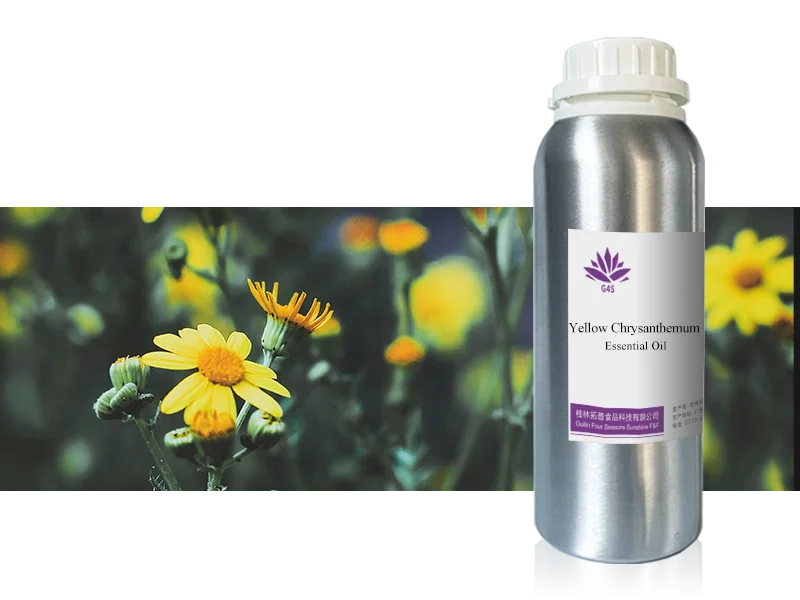
In the essential oil business, the first question outsiders ask is usually not whether it smells good, but "how do you prove it is real". A bottle of lavender oil in front of you — whether synthetic aroma chemicals have been blended in, whether cheap oil from somewhere else has been added — the nose cannot tell and the eye even less, because something blended professionally often smells more "standard" than the real thing. This industry earns trust through work that outsiders never see: which plot it came from, which day it was picked, how it was extracted, how the third party tested it, laid out item by item. doTERRA was founded in 2008 in Pleasant Grove, Utah, its name taken from Latin for "gift of the earth", and in a little over ten years it has become a leading brand in natural essential oils and aromatherapy worldwide, with operations in more than a hundred markets and a branch in China. doTERRA is best known in this industry for two things: the CPTG Certified Pure Tested Grade quality standard, and Co-Impact Sourcing — going to growing regions around the world to work directly with growers. Our dealings with doTERRA started from that standard.
The business divides into four: single essential oils — lavender, tea tree, lemon, peppermint, frankincense and other natural oils from growing regions worldwide; blended oils, formulated for scenarios such as calming, purification, breathing and mood; personal care and home — skincare, personal wash, oral care and household cleaning; and health and wellness — dietary supplements and aromatherapy-related products. What we entered is the very first part — single essential oils. The rules on this strand are stricter than anywhere else: one species, one origin, one plant part; no mixing, no blending in, no making up the volume from another origin. What that asks of the upstream side is concrete: a batch has to match one plot and one harvest window, with no unclear provenance in between. Our habit is simple too — there is an upper limit on the time from picking to tank: no overnight, no piling up. We would rather run one more shift the same day than let material sit in bags for a night. With essential oils, half a day of lost freshness means one layer less of aroma.
If there is a real common ground between the two companies, it is in the field. doTERRA's Co-Impact Sourcing says that the material is only good if the people growing it live well — and that is not charity language, it is a plain fact: if a grower cannot earn this year, next year the field goes to another crop, and the year after that the variety is gone from that land. Thirty years of our own work has brought us to the same understanding. The aromatic crops on these hills in Guangxi were negotiated household by household, year by year: guaranteed purchase prices, cultivation standards, harvesting standards, written down one clause at a time and honoured one year at a time. The people in the cooperatives accept the reasoning — good material means a stable price, and a stable price means they are willing to keep growing. When doTERRA's people came to see the bases, what they asked about was not capacity but how many years the growers had been with us. Someone who asks that question knows the business.
The cooperation began with a document: the raw material standard and prohibited-substance list doTERRA sent ran to dozens of pages, listing item by item from pesticide residues to heavy metals to microbiology, far finer than the set we were used to at the time. The first year was basically spent catching up with that list. The real hurdle appeared in third-party testing: one retest found several trace components that were not written into our specification. The material is extracted by us, so we knew where we stood: those components were not foreign additions, they are things the plant itself carries, and the composition of a natural essential oil is dozens or even hundreds of substances to begin with. The problem was that the specification only named a few main ones and left the rest unclear. We spent several months sorting out the natural composition profile of each variety, marking clearly which are the plant's own companions and in what range they sit, and together with doTERRA rewrote the specification into two columns: "main components" plus "permitted natural companions". After that change, tests never failed to match again.
Our technology is clearest told as the timeline of a plant after it enters the factory. The first gate is the day of harvest — material is sorted and handled on arrival, not waiting, not stockpiled, because heat-sensitive components hate being shut in. The second gate is extraction: most varieties go through supercritical fluid extraction, low temperature throughout with no solvent entering the process, so that what is in the plant is moved across as completely as possible rather than only in part; varieties where "the original aroma" matters go through Living-Fragrance physical extraction, keeping the aroma structure intact by physical means without assembling it from foreign modification. The third gate is pulling the actives out cleanly — dynamic multi-stage counter-current extraction, high efficiency, short time under heat, small loss of composition. The fourth gate is refining: a few varieties with colour requirements pass through molecular distillation as well, pressing impurities and colour down a notch. Every parameter through the whole process leaves a record, and a batch can be traced backwards from end to beginning.
On supply, we schedule by harvest season — the best few weeks of the year are when that variety is made, and if it cannot be picked at the right moment, we would rather not make it at all; the material for doTERRA is kept as a whole batch of "same plot, same batch", not split up for sale, so that one batch has one provenance. Service does not go round in circles either: the third-party testing doTERRA requires is submitted by us ourselves and the original reports go straight across, not retold through us; traceability material is supplied in full — plot numbers, harvest dates, grower cooperation records, plot maps, everything that can be made public is made public. The people have travelled too: doTERRA's people came during a harvest season and spent a few days with us in the fields, watching how the material comes off the branch.
For the years ahead, what the two sides need to do together is clear: make the range of varieties fuller, refine the granularity of origin traceability by another notch, and push Co-Impact Sourcing cooperation here in Guangxi deeper. In this business the most valuable thing has never been the bottle — it is whether the one plant inside it has been treated properly. doTERRA looks after delivering that truth into the consumer's hands; we look after that one plant, from the field head to the filling line, with nothing false mixed in along the way.
This article was published on 2026-09-14, and last updated on 2026-09-21. The article will be continuously updated.