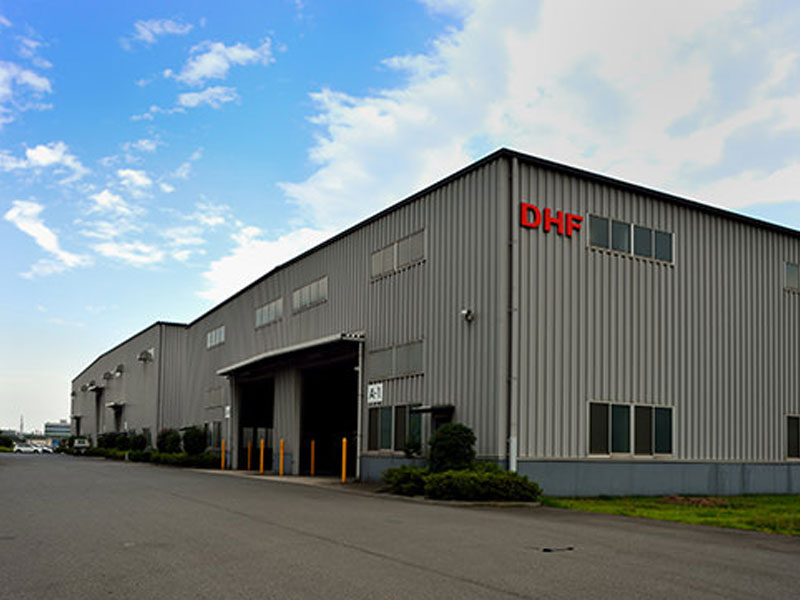
Perfumery looks romantic from the outside and is hard work to do. The nose is the capital: dozens of samples a day, and once you cannot tell them apart you have to stop. Reworking a formula dozens of times is normal, and in the end the change may be a few parts per thousand. Chinese perfumers also have a piece of history that is not comfortable to mention: for a long time this trade meant "smelling a foreign sample and making something close to it" — workable, cheap, but not one's own. That has changed in recent years. A group of Chinese perfumers has begun creating proprietary olfactory identities for brands — not copying, not following. DHFF is among them. The company has been making fragrances for twenty-eight years, with offices in Tianjin, Shanghai and Guangzhou, and a brand promise written plainly: "the creation expert who knows you best". Its work turns on a few things: building a brand's own olfactory signature, giving consumers their own olfactory experience, and turning the creativity of Chinese perfumers into products; crossing boundaries as well, working with the lively cultural and creative field and using scent as a new medium; and one item directly related to us — exploring new and unknown natural aroma materials.
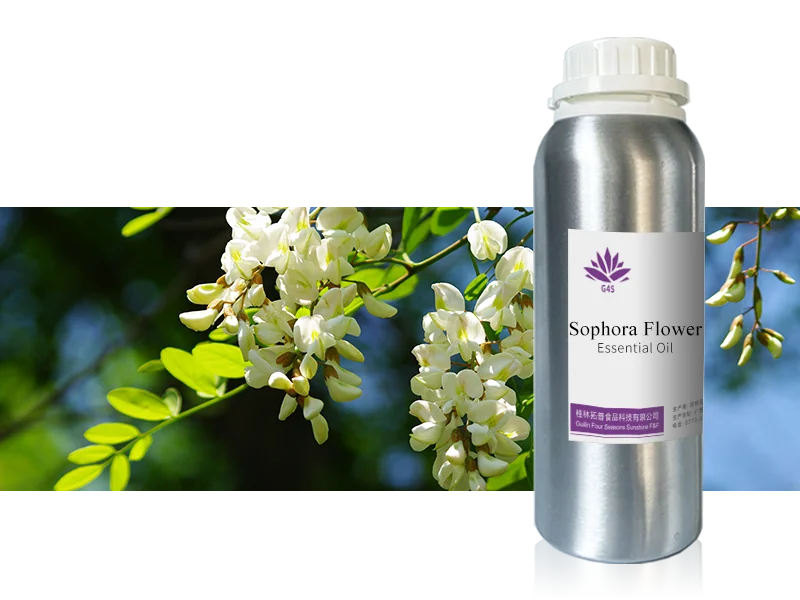
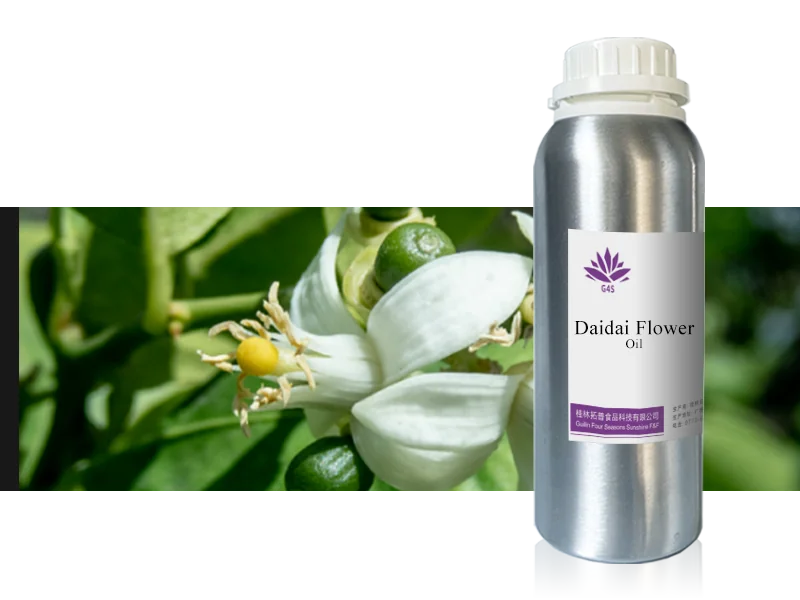
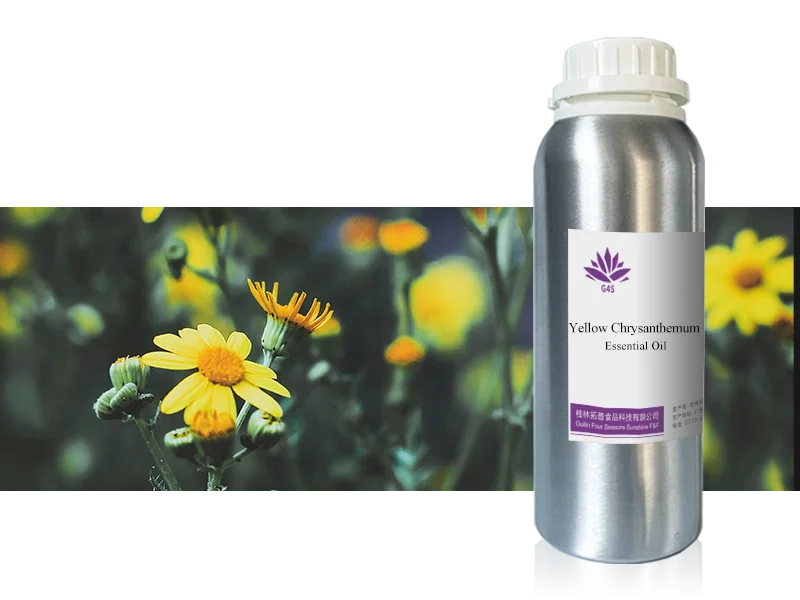
That last item is why the two companies came together. What a perfumer lacks most is not formulation technique, but "not having something in hand that nobody else has". There are only a few dozen natural aroma materials on the market; everyone uses them, so what gets made naturally converges — you say your floral is special, he says his floral is special, and they smell about the same. What DHFF wants is a scent that has not been used to death, ideally a variety nobody has ever extracted industrially. We happen to have some of that kind: aromatic plants growing in the hills of Guangxi, some of them with names that appear only in local gazetteers, never industrially extracted by anyone, worked out by us plant by plant — which season to pick, which part to use, how to extract it, how stable it is afterwards, all accumulated ourselves. Making these varieties does not pay: small volumes, long cycles, many failures. The advantage is that nobody else can get them.
The temperaments of the two companies are alike: both are looking for tastes nobody has used yet. On DHFF's side it is the perfumers looking; on ours it is us looking in the mountains. The direction is different, the state of mind is the same — neither is satisfied with "about the same as everyone else". Of the hills we have walked and the varieties we have tried over these thirty years, few succeeded and many failed, but each success is one more thing nobody else has. This kind of work cannot be calculated in input and output; business you can calculate is not left for us to do. When DHFF's perfumers come to look at material, what they look at is not the price list but "do you still have anything you have not brought out" — someone who asks that is really creating.
The cooperation began with one concrete request: the perfumer wanted a scent nobody had made, and specified that it should not be one of the common florals on the market. The real friction came afterwards. What perfumers like is material with "a sense of life" — the slight differences between batches are, to them, alive and interesting; but once you go into mass production that difference becomes trouble, and a formula tuned today may not match the next batch of material. The two sides pulled back and forth over this for a while: we wanted to press the batch variation down to a minimum, they felt that pressing it too flat would remove the variety's character. The compromise in the end was to draw a line — variation may remain, but only inside a range that does not affect the formula; outside that range nothing ships. At the same time the character of the variety is kept intact, so that "steady" does not become "mediocre". Once that line was drawn, both sides were satisfied.
Talking about technology is clearest by the structure of a single aroma. The top note is the layer that hits the nose first and leaves first, and it fears heat in processing most; that rests on Living-Fragrance physical extraction — moving the plant's original aroma structure across intact by physical means with no foreign modification, so the most delicate part survives. The heart note is the middle that carries the whole, and it needs complete composition and correct proportions; that rests on supercritical fluid extraction, low temperature throughout with no solvent entering the process, taking out as much of what is in the plant as possible; combined with dynamic multi-stage counter-current extraction to pull the actives out cleanly with short time under heat. The base note is the layer that stays to the end and is the hardest to keep; that rests on molecular distillation cutting the components by boiling range and taking the segment needed, combined with controlled release so the aroma comes out more slowly and holds longer. The three segments do not work separately: in a good natural material the three have to join up — missing any one of them and the aroma is lame.
Working with perfumers means the supply method has to change too: dozens of varieties at a time, a few kilos each, is accepted without complaint about the difficulty. For the material we give perfumers, the file holds, besides the usual figures, an aroma description, a recommended dosage range and suggestions for blending — what a perfumer wants is not a cold report but "how this thing should be used". Samples are packed to the habits of the perfumer's bench: small bottles, protected from light, labelled clearly with harvest period and batch. Our technicians also often sit with DHFF's perfumers at the same evaluation bench, smelling one by one and noting one by one, comparing descriptions on the spot — that back-and-forth is worth more than a hundred emails.
For the years ahead, what the two sides need to do together is clear: find a few more varieties nobody has used, hold the line between "a sense of life" and "mass-production stability" more firmly, and match the creativity of Chinese perfumers with China's own raw materials. In the end this industry has only one product: a good smell. DHFF is responsible for turning the smell into a piece of work; we are responsible for having the material for that work ready.
This article was published on 2026-09-14, and last updated on 2026-09-21. The article will be continuously updated.