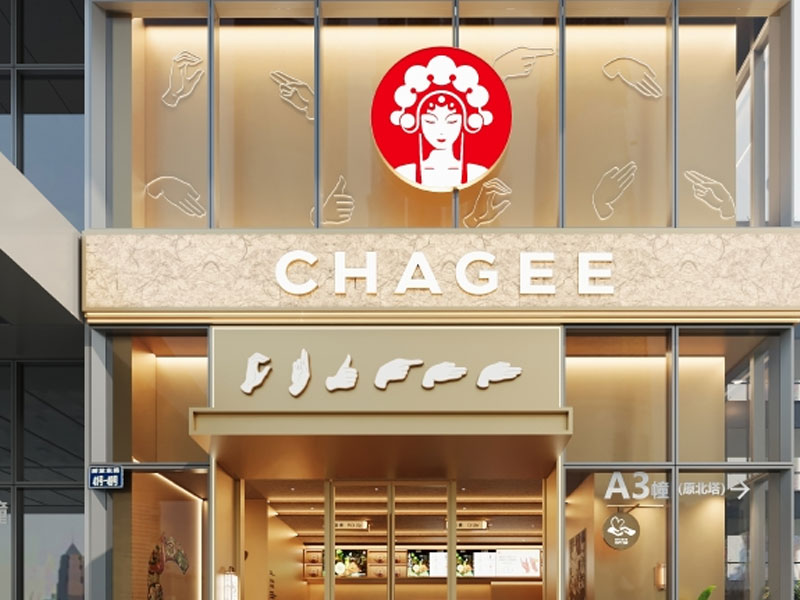
Yunnan is the home of tea. That is not a slogan but a geographical fact — the tea trees first used by humans grew in the mountains of this region. Trees that grew from here, several hundred or even a thousand years old, are still standing, and the tea they give has a body that cannot be matched elsewhere. CHAGEE is a new-style tea brand that started in Yunnan, with a mission written as "meeting friends of the world with Eastern tea", making "modern Eastern tea": fresh whole leaf brewed on the spot, promising "refreshing, low burden, controlled sugar, healthier". By 2026 it has over six thousand stores worldwide and is one of the fastest-moving brands in this category. It rests on whole-leaf fresh milk tea — Boya Juexian, Xunxiang Mountain Tea and others — where the tea character is clear, not carried by sugar and cheese foam, and does not cloy after drinking.
That positioning asks something different of the upstream side. Traditional milk tea is "thick": milk, sugar and cheese foam layered on, so the aroma has something to lean on. CHAGEE wants "clean and refreshing" — less sugar, fewer additions — so the aroma has nothing to rest on and has to stand on the tea itself. Our role is not to add aroma but to make the tea more like tea — to bring back the part lost in processing. What we supply to CHAGEE is the natural aroma materials for the whole-leaf milk tea, fruit tea and pure tea lines. There is a measure involved here: too little does nothing, too much and it becomes "flavoured tea", which wrecks the very claim of fresh whole-leaf brewing. Thirty years in this trade, we believe more and more in one thing: the best addition of aroma is one that makes people feel nothing was added.
The two companies are doing different sides of the same thing: both are taking something Chinese out into the world. CHAGEE takes tea to the world — of its six thousand stores, quite a few are already overseas; we send China's natural flavour materials onto the international market, and the volume we export has grown year by year. The confidence to go out comes, in the end, from the place of origin — the tea is good because it grows on Yunnan's mountains, the aromatics are good because they grow on Guangxi's mountains. Origin cannot be imitated: the same variety planted somewhere else gives a different aroma. So in the cooperation between the two sides, what is discussed most is not price but "how much material is left from this plot" and "can it be held next year".
The cooperation began with one tea: the client's R&D said the tea character was not clean enough and drank a little dull. Our investigation found the problem was not in the leaf but in processing — after high-temperature extraction and long storage, the freshest part of the aroma is the first to go, leaving the heavy, riper part. The real hurdle came after: freshly brewed tea liquor kept in an insulated urn for an hour or two develops a "stewed" note, the aroma turning dull and uncooperative. In stores this cannot be avoided — at peak times a large urn is brewed at once and kept until it is sold out. What we did later was to supplement at both ends: at one end, supercritical fluid extraction keeps the most delicate top note of the tea leaf and puts back the segment that was lost; at the other, for the stewed note, concentration enriches the components that give freshness and presses the dullness down. After the change, tea liquor kept in the urn for two hours still smells clean.
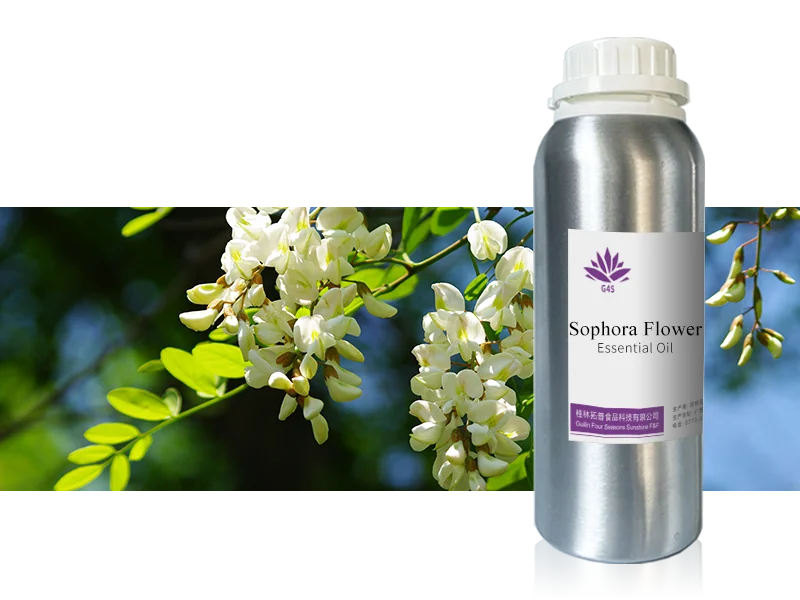
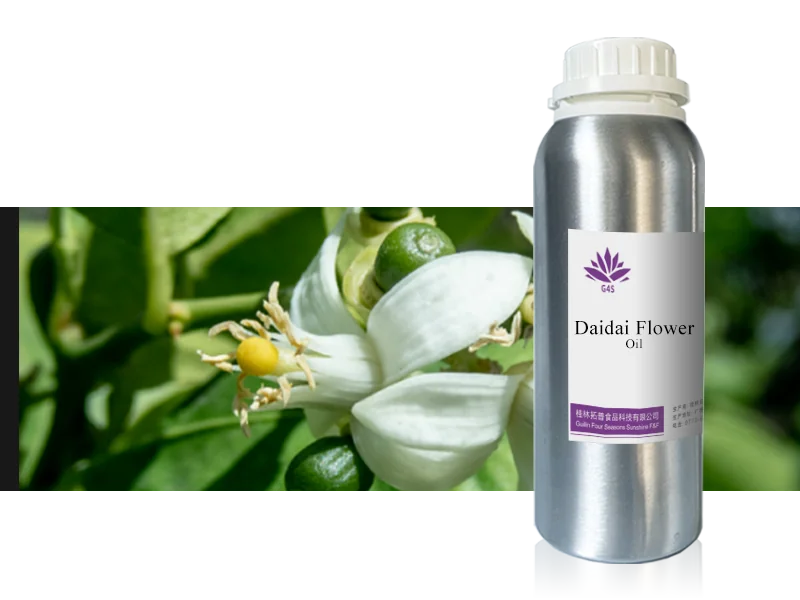
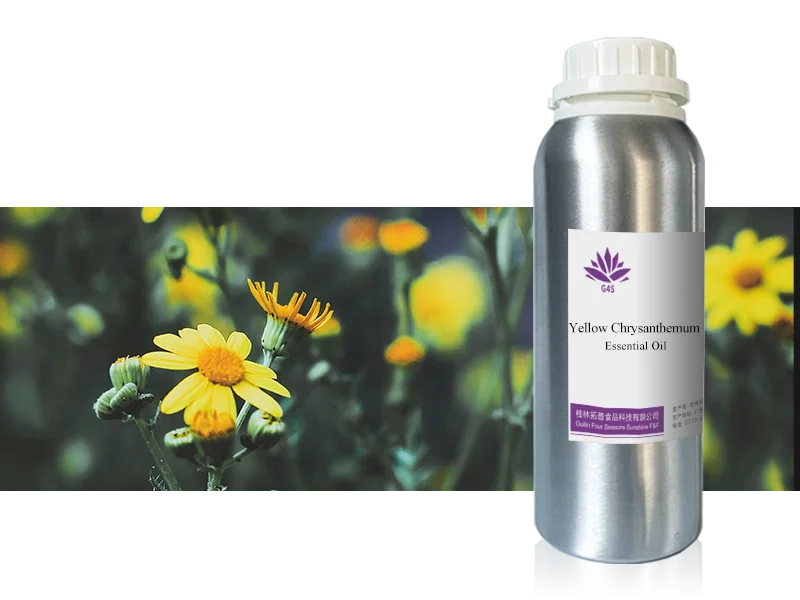
Talking about technology is clearest by where the aroma of a cup of tea comes from. The first layer is the tea aroma — the leaf's own scent, partly lost in processing — which rests on Living-Fragrance physical extraction, moving the plant's original aroma structure across intact by physical means, combined with supercritical fluid extraction, low temperature throughout with no solvent entering the process, so the most heat-sensitive part survives. The second layer is the floral note — jasmine, osmanthus and the other flowers used for scenting, the signature craft of Chinese tea; we have been making flower materials in Guangxi for years, and picking has to happen within the few hours when the aroma is at its best — a little later and the scent has gone. The third layer is fruit and milk — the layer that most easily covers the tea — which rests on aroma concentration pressing the dosage down while raising the intensity, combined with controlled release so it comes out in the middle and staggers against the tea aroma, neither dominating the other. Stack the three layers and a cup has a before and an after; and only with the amount judged right does it deserve to be called "fresh whole-leaf brewed".
On supply, as stores grew from a few hundred to six thousand, we distribute through regional warehouses rather than piling stock in one place — wherever stores open, the goods follow; specifications for overseas stores are prepared separately to local regulation rather than forcing domestic material out. On service, how the material performs under the client's standard process is measured first: at fixed water temperature, fixed time and fixed ratio, how much aroma comes out and how long before it starts to change, all supplied as data; when the client goes overseas, the documents involving local flavouring regulations are produced by us. The client's people have been to Guangxi, and we have talked about the tea mountains of Yunnan — both sides live off mountains, so we speak the same language.
For the years ahead, what the two sides need to do together is clear: make the aroma of the "clean and refreshing" line more transparent, widen the range of varieties in the floral layer, and prepare the specifications for overseas markets one by one. For tea to go out into the world, it has to rely on the tea itself — CHAGEE brews the tea well, and we make that cup smell as if it has just been brewed.
This article was published on 2026-09-14, and last updated on 2026-09-21. The article will be continuously updated.