
How U.S. Manufacturers Can Turn Longan Concrete Quotes from 1 g Samples into 25 kg Comparable Costs
Turn every longan concrete quotation into one written, solvent-concrete, per-kilogram cost line before you compare suppliers; confirm species, part, form, sample credit, documents, MOQ, and 90-day price terms in writing because the product is inquiry-based and no verified public bulk price applies.
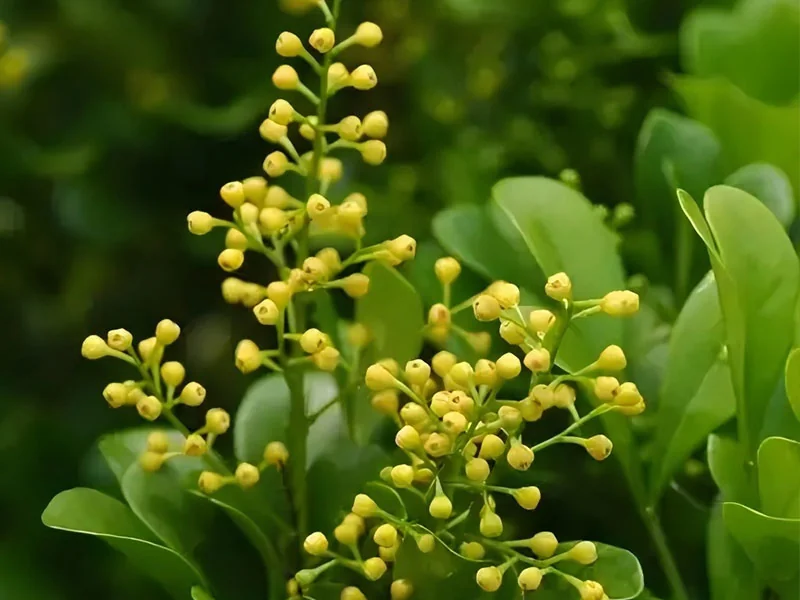
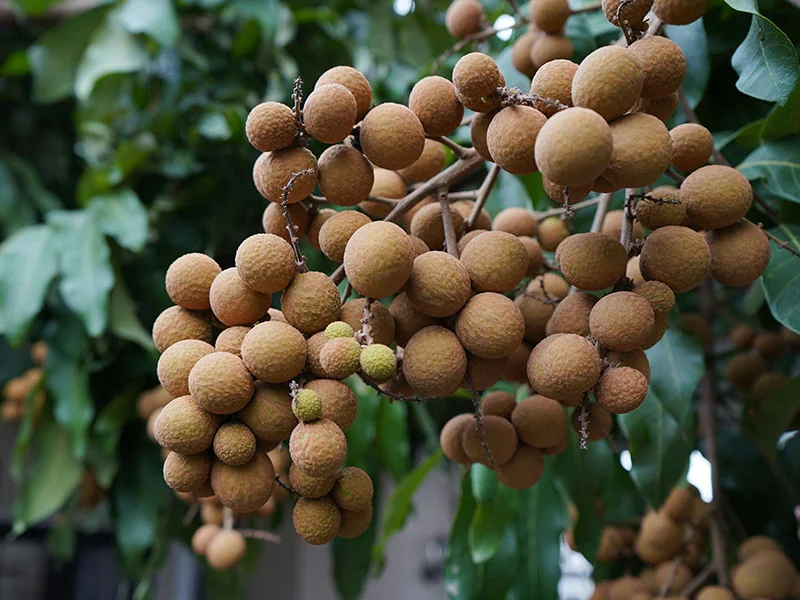
For U.S. manufacturers and processors, the hard part of buying longan concrete is not collecting quotes. It is making sure the quotes describe the same material and the same service package. Longan concrete is a solvent-extracted concrete from Dimocarpus longan Lour.; it is not an essential oil, not an absolute, not a juice concentrate, not a spray-dried extract powder, not a polysaccharide ingredient, and not a synthetic sweet-fruity flavor. A buyer who mixes those forms into one price table will make a fast decision on the wrong number.
This guide gives a procurement-ready method for a manufacturer/processor buyer: define the comparable quote, normalize 1 g, 5 g, 100 g, 1 kg, and 25 kg into a per-kilogram cost, validate the sample evidence, and then negotiate the terms that turn a comparable cost into a controlled cost. All product prices are inquiry-based and are supplied on request.
1. Define the comparable quote before you compare prices
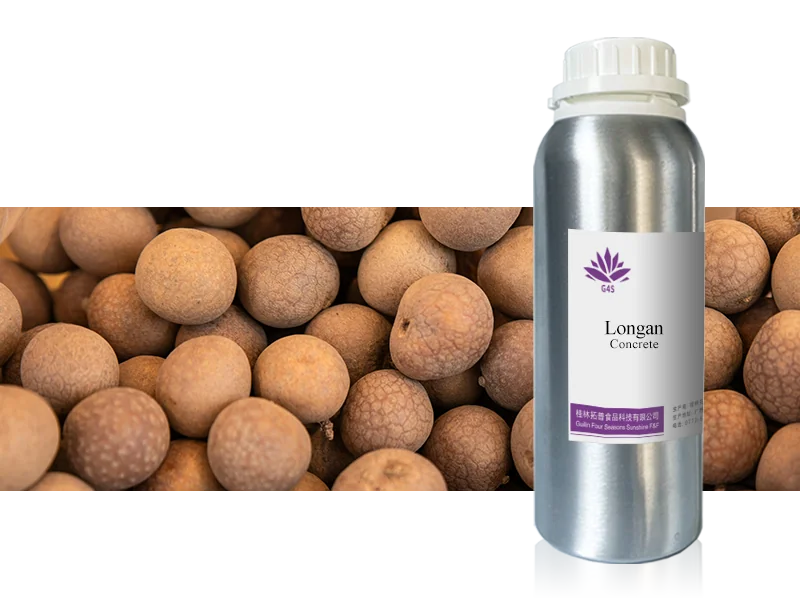
A comparable quote is a written offer for the same entity: longan solvent concrete, product code lgf5301, from Dimocarpus longan Lour., with the same currency, trade term, tax treatment, packaging tier, and document package. If any of those fields are missing, the quote is only a lead, not a comparable cost.
Use this boundary table in the first RFQ email. Public anchors below are only form-identification references; they are not this product's price and must not be used to push down or replace the longan concrete quotation.
| Form offered in the market | Price status | Same as this product? | Buyer action |
|---|---|---|---|
| Longan solvent concrete, lgf5301 | Inquiry-based; quote on request | Baseline | Keep in the comparison only after form and part are confirmed in writing |
| Longan aril extract liquid, public anchor such as ¥70/kg | Public reference for a different liquid form | No | Exclude from direct comparison |
| Longan extract powder, public anchors such as ¥55–100/kg or $28–35/kg | Public reference for spray-dried powder | No | Exclude; different process and form |
| Longan polysaccharide | Public anchor such as ¥260/kg | No | Exclude; priced by polysaccharide content |
| Longan concentrated juice | Brix 57–60BX reference, inquiry-based | No | Exclude; juice concentrate is not concrete |
| Synthetic sweet-fruity flavor | Low-cost substitute | No | Exclude; natural status and regulatory path differ |
2. Lock the identity card: species, part, form, CAS/EC/INCI, and FEMA boundary
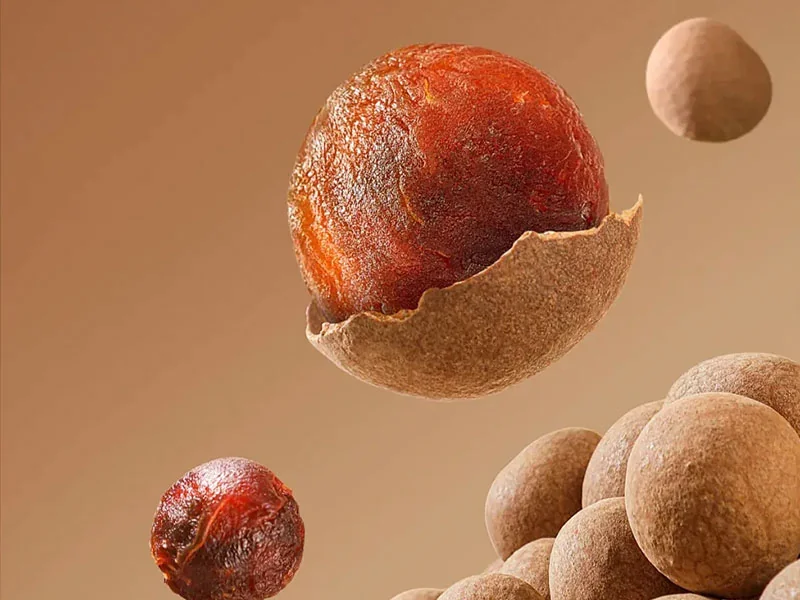
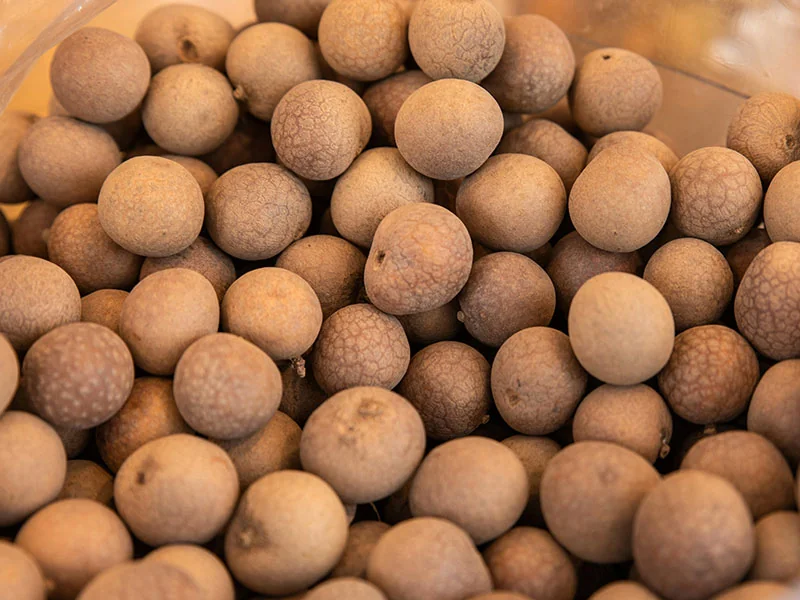
Before any arithmetic, lock the identity. The current product page states Dimocarpus longan Lour., Plant Part “Fruit,” Solvent Extraction, yellow-brown to dark tan concrete, sweet fruity longan odor, and markers of glucose/fructose, floral-fruity esters, and terpene traces. It also contains a conflicting description of a sugar-rich fruit extract measured by Brix. Treat that conflict as a written clarification item, not as a detail to ignore.
| Identity field | Value or status | What the buyer requires |
|---|---|---|
| Botanical species | Dimocarpus longan Lour. | Botanical voucher or COA statement; confirm it is not Litchi chinensis |
| Plant part | Product page says Fruit; food-medicine “longan aril” is aril | Obtain the part letter and raw-material record |
| Form | Solvent-extracted concrete as primary buying basis; sugar-rich/Brix conflict noted | Signed form and process letter; if aqueous concentrate, stop concrete comparison |
| Appearance and odor | Yellow-brown to dark tan concrete; characteristic sweet fruity longan odor | Sample blind review against COA |
| Markers | Glucose/fructose, floral-fruity esters, terpene traces | Batch GC-MS/HPLC; values read from each batch COA |
| CAS, EC, INCI | Not provided in the supplied product files | Obtain from the TDS/SDS/INCI documents; do not borrow numbers from another form |
| FEMA / food boundary | No FEMA/GRAS number provided in the supplied files | Verify in writing; no food, food-medicine, sweetness or supplement claim before part/form clarification and regulatory review |
| HS code | Product page indicates 3301.29 | To be checked by broker; a sugar-rich concentrate may fall under other chapters |
| Product code | lgf5301 | Use it in every RFQ and quotation |
3. Use one comparable-cost formula for 1 g, 5 g, 100 g, 1 kg, and 25 kg
Use the same formula for every tier:
Comparable cost per kg = (quoted amount for the tier + freight allocation + testing/document fees + duty allocation − any written sample-fee credit) ÷ net weight in kg.
Quote format must always be “currency / net weight / trade term / tax status / documents included.” Net weight conversions are fixed: 1 g = 0.001 kg, 5 g = 0.005 kg, 100 g = 0.1 kg, 1 kg = 1 kg, and 25 kg = 25 kg.
| Tier | Net weight | Typical pack | Quotation status | Documents included | Sample-fee credit | Comparable-cost calculation | Buyer use |
|---|---|---|---|---|---|---|---|
| 1 g sample | 0.001 kg | Amber glass | Inquiry-based; quote on request | Request GC-MS/HPLC, Brix if applicable, identity letter and MSDS | On request | Quoted amount ÷ 0.001, plus added fees, minus written credit | Blind review only; not a raw-material unit price |
| 5 g sample | 0.005 kg | Amber glass | Inquiry-based; quote on request | On request | On request | Quoted amount ÷ 0.005, plus added fees, minus written credit | Re-test and retained sample |
| 100 g pilot | 0.1 kg | Aluminum or brown glass | Inquiry-based; quote on request | On request | Usually not applicable | Quoted amount ÷ 0.1, plus added fees | Small formulation trial |
| 1 kg mid-scale | 1 kg | Aluminum or brown glass | Inquiry-based; quote on request | On request | Not applicable | Quoted amount ÷ 1, plus added fees | First mandatory commercial quote tier |
| 25 kg drum | 25 kg | Sealed drum / pallet | Inquiry-based; quote on request | On request | Not applicable | Quoted amount ÷ 25, plus freight, duty allocation, and documents | Annual framework benchmark |
4. Normalize three supplier quotes with eight fields
Send the same eight questions to every supplier. Do not accept verbal answers as final; put them into the comparison sheet.
- Form: written confirmation of solvent-extracted concrete for lgf5301.
- Part: aril, fruit, or other; provide raw-material and part statement.
- Species: D. longan voucher or COA declaration; not L. chinensis.
- Quote tiers: 1 g, 5 g, 100 g, 1 kg, and 25 kg, each with currency and trade term.
- Documents: whether COA, GC-MS/HPLC, Brix where applicable, MSDS, and identity letters are included.
- Sample credit: whether 1 g/5 g fees can be credited against the first commercial order, with threshold and validity.
- MOQ and step discounts: minimum order, pack sizes, and discount breaks.
- Lock and lead time: 90-day price lock, quotation validity, production window, and delivery plan.
| Field | Supplier A | Supplier B | Supplier C | Normalization rule |
|---|---|---|---|---|
| Solvent-concrete form confirmed | To be filled | To be filled | To be filled | Remove non-concrete quotes |
| Part/form/species letters | To be filled | To be filled | To be filled | Missing letter reduces trust score |
| 1 kg quote, currency, trade term | To be filled | To be filled | To be filled | Convert to one currency and Incoterm |
| 25 kg quote, currency, trade term | To be filled | To be filled | To be filled | Add freight, duty, and documents |
| Testing documents included | To be filled | To be filled | To be filled | Add absent tests as cost |
| Sample-fee credit | To be filled | To be filled | To be filled | First calculate with no credit |
| MOQ and discount steps | To be filled | To be filled | To be filled | Normalize to the same tier |
| 90-day price lock | To be filled | To be filled | To be filled | Record yes/no and written wording |
5. Validate the quote with a 7-day sample and fingerprint checklist
A buyer should validate that the quotation corresponds to the material that will actually be produced. Use this target workflow; obtain the timing and sample fees from the supplier.
- Day 1: send the eight-field RFQ and ask for the current batch COA.
- Day 2: confirm price tiers, currency, trade term, documents, and sample-fee policy.
- Day 3: request 1 g and 5 g samples from the lot intended for the pilot order where possible.
- Day 4–5: receive sample, COA, GC-MS/HPLC fingerprint, Brix where applicable, MSDS, and part/form/species letters.
- Day 6: run blind review for color, waxy mass handling, sweet fruity odor, and dilution behavior.
- Day 7: compare fingerprint markers, add missing costs to the table, and mark the supplier pass/fail.
Pass/fail checks should include glucose/fructose markers, floral-fruity esters and terpene traces, Brix if the supplier claims a sugar-rich form, and consistency with a retained reference standard. The reference standard is stated as retained for 3 years in the supplier materials; read the batch-specific measured values from the COA.
6. Turn comparable cost into controlled cost: MOQ, steps, 90-day lock, and terms
Price comparison is only the first half of the decision. A manufacturer also needs supply continuity, because longan has a harvest window and 15–18 day sea freight from China to the U.S. West Coast is a planning input, not a guarantee.
| Term | Buyer target | Status |
|---|---|---|
| Ladder | 1 g/5 g samples → 100 g pilot → 1 kg mid-scale → 25 kg framework | Structure used for evaluation; prices inquiry-based, quoted on request |
| MOQ | Based on 2–4 weeks of safety stock | Obtain the specific MOQ |
| 90-day price lock | Written lock with start date, covered SKUs and volume | Negotiable; agree the specific terms |
| Payment | Small samples prepaid; repeat orders may discuss Net 30 or 30% deposit + 70% against B/L copy | Preferences recorded in buyer research; not a supplier policy until confirmed |
| Incoterm and tax | Named port, tax status, freight, insurance and duty allocation stated | Confirm in each quotation |
| Replenishment | Link order timing to harvest window, production slot, freight and safety stock | Obtain the schedule from the supplier |
7. Build an auditable evidence pack before approval
A cheap quote without an evidence pack is not ready for approval. Ask for the following pack with the sample and again with the commercial lot.
| Evidence item | What to check |
|---|---|
| Batch COA | Batch number, manufacture date, retained-sample reference, botanical name, plant part, origin, and date |
| GC-MS/HPLC fingerprint | Comparison with retained reference standard; measured values from each batch COA |
| Marker summary | Glucose/fructose, floral-fruity esters, terpene traces; Brix if a sugar-rich form is claimed |
| Solvent residue | GB 5009.262 where applicable to a concrete; confirm applicability with the lab |
| Contaminants and micro | GB 5009 series and GB 4789 series where applicable |
| Heavy metals and pesticides | ChP/USP screening and routine fruit pesticide residue; expanded multi-residue scan on request |
| MSDS and handling | English MSDS, combustible waxy/paste handling, storage, and accidental-exposure guidance |
| Regulatory support | Allergen declaration, IFRA check where relevant, MoCRA/U.S. responsible-party support where relevant |
| Identity letters | Part letter, form/process letter, species letter, and intended-use boundary letter |
8. Ten-minute cost cleanup and template stack
Use this sequence before the approval meeting:
- Minute 1–2: convert every quote to currency/kg/trade term/tax status.
- Minute 3: remove all non-concrete forms from the table.
- Minute 4–6: recalculate every tier on a no-sample-credit basis.
- Minute 7–8: add document and testing fees that are not included.
- Minute 9–10: apply the written 90-day lock and check MOQ.
Keep five templates in the procurement folder: the five-tier cost converter, the three-supplier normalization sheet, the first-round RFQ email, the part/form/species letter request, and the eight-category evidence checklist. This turns a quote review into a repeatable decision process instead of a memory test.
9. FAQ: Can a 1 g sample price be converted into a 25 kg unit price?
No. You can normalize it into a per-kilogram figure, but it remains a sample-service figure, not a bulk material price. Use 1 kg and 25 kg tiers for commercial comparison.
10. FAQ: Can longan extract powder at public anchor prices be used to negotiate this concrete price?
No. Powder, liquid aril extract, juice concentrate, polysaccharide, synthetic flavor, and solvent concrete are different forms and processes. Use those anchors only to identify form confusion, not to set the concrete price.
11. FAQ: Can the sample fee be credited against the first order?
Obtain it from the supplier. Ask for the credit amount, minimum order threshold, validity period and whether freight and testing are credited. Until it is in writing, calculate with zero credit.
12. FAQ: Is the plant part aril or fruit?
Verify in writing. The product page says Fruit, while food-medicine "longan meat" refers to the aril. Require a part letter and raw-material record before making food, sweetness or food-medicine claims.
13. FAQ: Are there public bulk prices, CAS, EC, INCI, or FEMA numbers?
No verified public bulk price should be used. CAS, EC, INCI and FEMA/GRAS information was not provided in the supplied files; obtain it from supplier documents. Do not borrow numbers from another longan form.
14. FAQ: Can a 90-day price lock be written into the contract?
It can be negotiated; agree the specific terms in writing. The lock should name product code lgf5301, volume band, currency, start date and covered charges.
15. FAQ: Do quotations include COA and GC-MS/HPLC?
Confirm it in each quote. If it is not included, add testing and document fees to the comparable-cost formula before ranking suppliers.
16. FAQ: Is HS 3301.29 guaranteed?
No. The product page lists 3301.29, but classification depends on actual form, composition, and use. A sugar-rich concentrate may fall under other chapters. Ask a broker to confirm before landed-cost approval.
17. Conclusion
The winning quote is not the lowest number on an email. It is the lowest verified cost for the same solvent-concrete material, with the same documents, the same part and form definitions, the same sample-credit treatment, and a written plan for MOQ and price validity. For U.S. manufacturers and processors, that discipline prevents the most expensive mistake: approving a powder, concentrate, or unclear botanical ingredient as if it were longan concrete.
18. Next Steps
- Request the five-tier inquiry-based quotation for lgf5301: 1 g, 5 g, 100 g, 1 kg, and 25 kg.
- Request the sample pack with COA, GC-MS/HPLC, Brix where applicable, MSDS, and part/form/species letters.
- Fill the three-supplier normalization sheet using the no-credit baseline first.
- Confirm MOQ, sample-fee credit, Incoterm, document fees, and 90-day lock in writing.
- Contact G4S at sales@essentialoilsfactory.com or +86 133 6753 0509; all final prices and terms are subject to the supplier's written quotation.
This article was published on 2026-11-25, and last updated on 2026-11-25. The article will be continuously updated.