How does this ylang ylang oil compare with jasmine, neroli, cananga and frangipani oils?
Ylang ylang is the most tenacious and sensual of the white-floral oils. Compared with jasmine, neroli, cananga and frangipani, it offers a unique honeyed-floral character at a fraction of the price of jasmine absolute.
Comparison With Related Floral Oils
| Oil | Source | Key profile | Typical use |
|---|---|---|---|
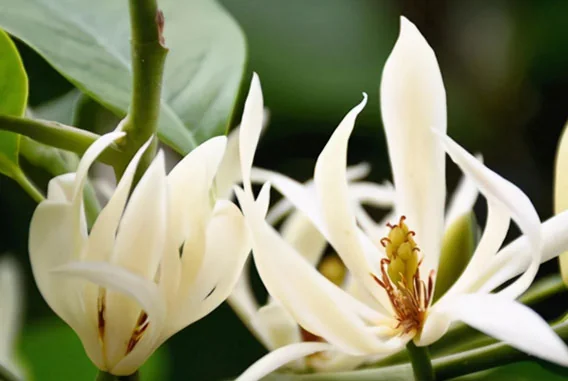
| Ylang ylang | Cananga odorata flowers | Linalool, benzyl benzoate, esters; sweet honeyed floral | Perfume heart, cosmetics, aromatherapy |
| Jasmine absolute | Jasminum spp. flowers | Benzyl acetate, indole; heady floral | Luxury perfumery (premium price) |
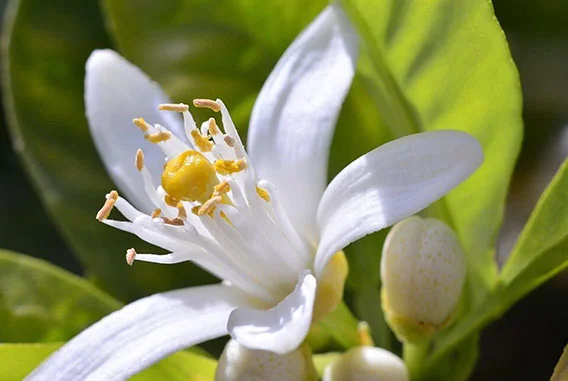
| Neroli | Citrus aurantium flowers | Linalool, linalyl acetate; fresh floral | High-end cologne, delicate florals |
| Cananga oil | C. odorata var. macrophylla | More woody, less refined | Budget perfumery, soap fragrance |
| Frangipani (absolute) | Plumeria spp. | Sweet creamy floral | Niche perfumery, limited supply |
- Jasmine absolute and neroli cost far more per kg than ylang ylang — ylang delivers a comparable lush floral at a working price
- Cananga is the coarser, more woody commercial relative — genuine ylang ylang (ISO 3063) is more refined and floral
- Frangipani is a niche, expensive absolute with a creamier profile — ylang is often used to approximate its character
- Ylang's tenacity exceeds most floral oils, anchoring blends for hours
- For most industrial and personal-care programs, ylang ylang gives the best floral performance-to-price ratio
Relate Products
This article was published on 2026-09-07, and last updated on 2026-09-07. The article will be continuously updated.