How does IFRA 51st and the EU allergen rule apply to this valerian root oil?
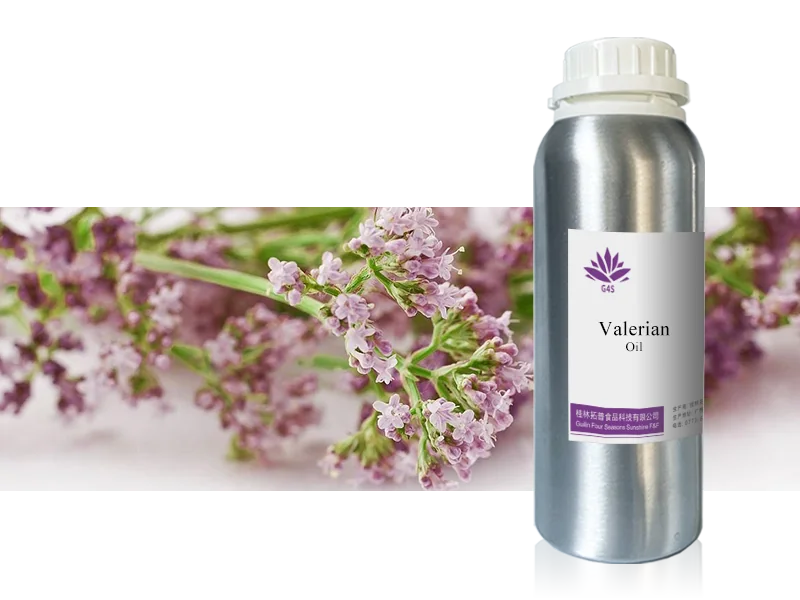
Valerian oil is used at low levels as a modifier in perfumery, so the IFRA and EU allergen rules apply to the finished fragrance, not to the raw oil itself. Its main components are not the classic 26 EU allergens, but the finished-product calculation must always be verified against the batch GC-MS.
Allergen & IFRA Position
| Item | Position |
|---|---|
| EU 26 classic allergens | Main markers camphene & bornyl acetate are NOT on the list; trace linalool/limonene may appear in some batches |
| EU 2023/1545 (81 allergens) | Check the batch GC-MS for any newly listed trace components; declaration threshold 0.001% leave-on / 0.01% rinse-off |
| IFRA 51st restrictions | Valerian oil has usage restrictions in some categories due to sensitisation data — use per the latest IFRA standard concentration limits |
| Photosensitivity | Not a furocoumarin-containing citrus oil — no phototoxicity classification |
| IFRA Certificate | Can be provided per batch for finished-product compliance checks |
- Because valerian oil has a strong, persistent odour, typical use levels are low (0.1–1% in fragrance concentrates), which keeps allergen exposure modest
- We provide the GC-MS data needed to run your finished-product allergen calculation
- For EU cosmetics, the finished product must still be labelled per (EU) 2023/1545 based on its full formula
- Our documentation (SDS, allergen data, IFRA certificate on request) supports your compliance workflow
Relate Products
This article was published on 2026-09-07, and last updated on 2026-09-07. The article will be continuously updated.