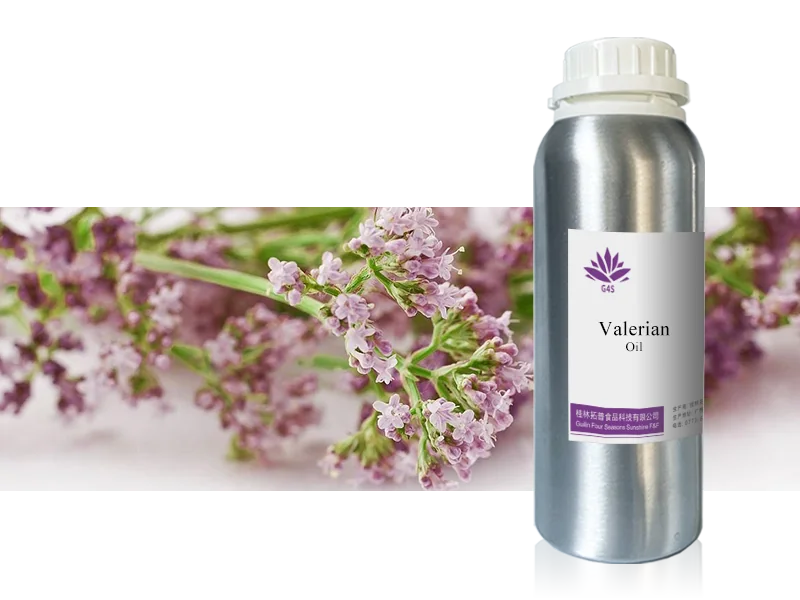
Can this valerian root oil be used in food and flavouring — what are the compliance rules?
Yes, with clear boundaries. Valerian oil is approved as a food additive in China under T/CAFFCI 70-2023, and valerian is listed as a natural flavouring substance in the US under 21 CFR 172.510. Flavour-use levels are low because the aroma is extremely strong and persistent.
Food Compliance by Market
| Market | Rule | Practical notes |
|---|---|---|
| China | T/CAFFCI 70-2023 (food additive — valerian oil); GB 2760 scope | Use per the standard's specifications; finished-food labelling per GB 7718 |
| USA | 21 CFR 172.510 (natural flavouring substances) | Use at flavouring levels under GMP; no specific maximum for flavouring use, but keep levels functionally sufficient and label-appropriate |
| EU | Flavouring Regulation (EC) 1334/2008 — natural flavouring preparations | Natural botanical oil qualifies as a natural flavouring preparation; follow good manufacturing practice and food-labelling rules |
Flavouring Guidance
- Typical flavouring levels are very low (e.g. 0.5–10 mg/kg in the finished product) due to the intense, persistent earthy-balsamic note
- Works in herbal, tonic, cola-type and alcoholic-beverage flavours; also in chewing gum at low levels
- The strong odour means sensory evaluation at pilot scale is essential before scale-up
- For TCM/herbal tea concepts (e.g. with Zhizhu Xiang), check the local food-category rules — as a flavouring oil it is used for aroma, not as a herbal ingredient, unless the herbal medicine framework applies
We provide the T/CAFFCI conformity COA, US 172.510 reference sheet and EU flavouring-regulation statement with the batch documentation.
Relate Products
This article was published on 2026-09-07, and last updated on 2026-09-07. The article will be continuously updated.