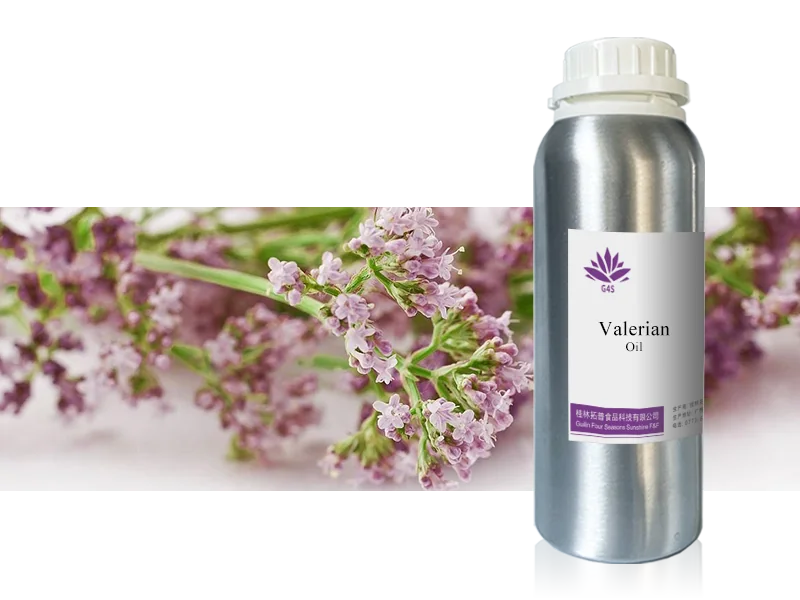
How does this valerian root oil compare with related oils (valerian vs spikenard vs vetiver)?
Valerian sits in the 'earthy root' family of essential oils, but each member has a distinct profile. This comparison helps you choose the right root oil for your formula.
Comparison: Valerian vs Related Root Oils
| Oil | Botanical | Aroma character | Tenacity | Typical use |
|---|---|---|---|---|
| Valerian root | V. officinalis / V. jatamansi | Earthy-green, balsamic, animalic-musky, 'dirty' root | Very high | Sleep blends, masculine/chypre perfumery, TCM wellness |
| Spikenard | Nardostachys jatamansi | Woody-earthy, sweet, musty, meditative 'Indian incense' | Very high | Meditation/calm blends, niche perfumery, luxury body care |
| Vetiver | Vetiveria zizanioides | Smoky-woody, rooted, green-rubbery | Very high | Base note in most perfumery; masculine, earthy-chic |
| Angelica root | Angelica archangelica | Herbaceous-musk, peppery-warm | High | Chypre/fougère top-modifier; bitter herbal accent |
| Jatamansi (spikenard-adjacent) | V. jatamansi = our Zhi Zhu Xiang line | Closer to spikenard with more green bite | Very high | TCM 'calm the spirit' concepts |
Key Differences vs Spikenard
- Valerian is more 'animalic-dirty' and musky-earthy; spikenard is sweeter, more meditative and 'incense-like'
- Valerian is stronger-smelling and more polarising; spikenard is smoother in delicate formulas
- V. jatamansi (Zhi Zhu Xiang) sits between the two — a more refined, green valerian
How to Choose
- Sleep/calm personal care → valerian (or Zhi Zhu Xiang for a softer TCM profile)
- Meditation / spiritual blends → spikenard
- Masculine chypre/fougère base → vetiver + valerian for extra depth
- If the animalic edge is too strong for your brand, choose CO₂ valerian or blend with sweet orange/sandalwood
Relate Products
This article was published on 2026-09-07, and last updated on 2026-09-07. The article will be continuously updated.