Which botanical species does this valerian root oil come from, and where is it harvested?
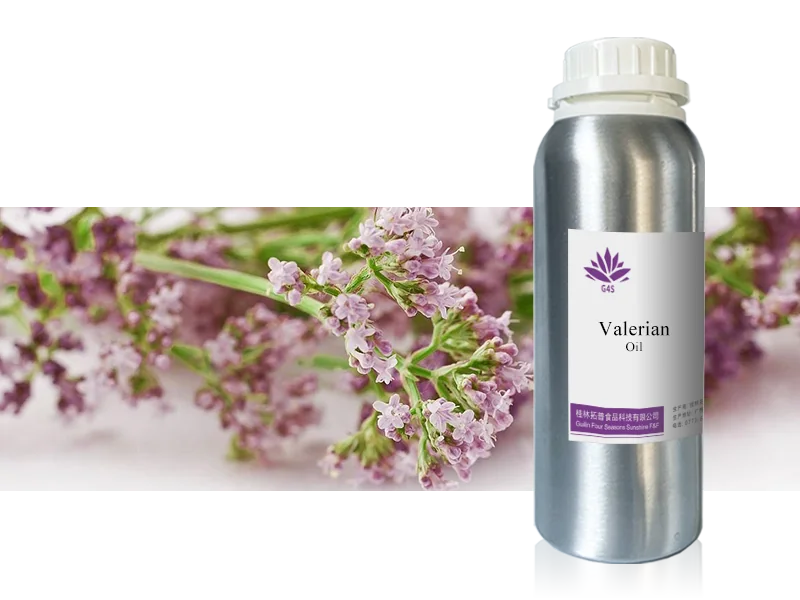
This valerian root oil is steam-distilled or supercritical CO2-extracted from the dried rhizomes and roots of Valerian — Valeriana officinalis L. (European valerian) or the traditional Chinese Spider Valerian Valeriana jatamansi Jones (蜘蛛香 / Zhi Zhu Xiang) — members of the Valerianaceae (valerian) family and the most famous Western sedative-calming herb.
Species & Origin
| Item | Detail |
|---|---|
| Botanical name | Valeriana officinalis L. (European valerian) / Valeriana jatamansi Jones (Chinese spider valerian, 蜘蛛香 / Ma Ti Xiang) |
| Family | Valerianaceae (valerian family) |
| Part used | Dried rhizomes and roots |
| Product code | TPS-HO-010 |
| Origin | V. officinalis: Guizhou, China (per T/CAFFCI 70-2023); V. jatamansi: Yunnan highlands 500–2,500 m (per T/YNZYC 0078-2023); European sources: Germany, Poland, Croatia |
| Historical status | Recorded by Hippocrates ~2000 years ago; today the "#1 sleep aid oil" in Western herbalism; Zhi Zhu Xiang is a traditional Chinese valerian species for regulating qi, relieving pain and calming |
- The core food-additive standard T/CAFFCI 70-2023 defines the source as Valeriana officinalis L. grown in Guizhou; the green-medicine standard T/YNZYC 0078-2023 covers V. jatamansi Jones from Yunnan at 500–2,500 m altitude
- Zhi Zhu Xiang (蜘蛛香) is known locally as Ma Ti Xiang (马蹄香) — a TCM valerian species with a long history in southwest China
- Valerian is the flagship sedative herb of Western herbalism: 2000 years of documented use for nervous tension and insomnia
- Harvested roots/rhizomes are cleaned, dried, and cut to 3–5 mm slices before distillation; full harvest traceability is documented in the batch COA
Relate Products
This article was published on 2026-09-07, and last updated on 2026-09-07. The article will be continuously updated.