What is the difference between tuberose flower wax and tuberose absolute?
Both come from the same flower but serve different formulation roles:
| Property | Flower Wax | Absolute |
|---|---|---|
| Physical form | Soft waxy solid at room temperature | Viscous liquid / semi-solid |
| Solubility | Soluble in oils/ethanol (warm) | Soluble in ethanol and oils |
| Fragrance intensity | Strong floral (wax carries scent) | Very intense, concentrated |
| Texture contribution | Yes — builds body and hardness | No — liquid |
| Typical use | Balms, solid perfumes, candles, texture | Fine perfume, perfume oils |
| Price per kg | Different economics (wax is bulkier) | Premium, low yield |
When to Use Which
- Choose the wax when you need structure, texture, and a softer floral note in balms, lip products and candles
- Choose the absolute when you need maximum scent power in alcohol-based perfumes
In Combination
Using both together (e.g. 1–2% absolute + 5–10% wax in a balm) gives the strongest scent with good texture — a common professional approach.
Relate Products
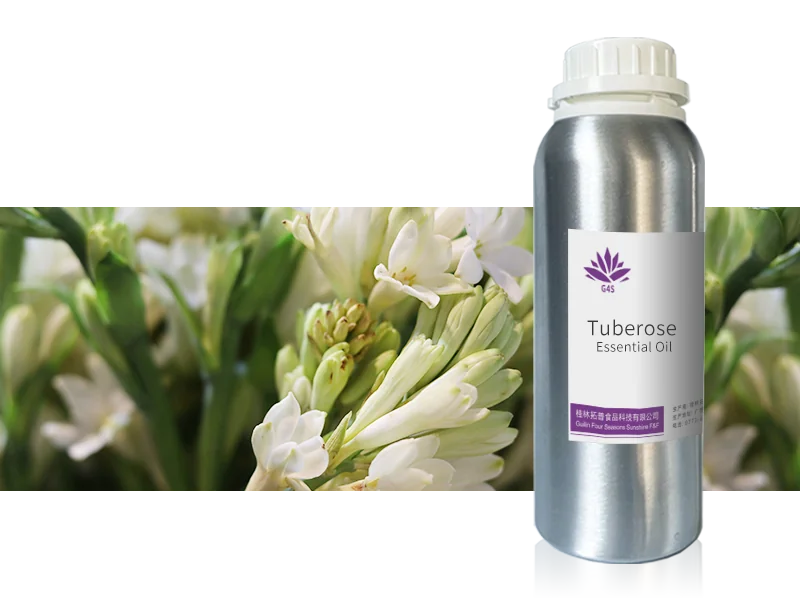
This article was published on 2026-09-07, and last updated on 2026-09-07. The article will be continuously updated.