Is this tea tree oil food grade and safe for oral-care use?
Tea tree oil is not a food-flavoring oil in the traditional sense — it is primarily used externally. For oral-care applications (toothpaste, mouthwash), use only highly purified, low-cineole lots at very low concentrations and with formulator guidance.
Food & Oral-Care Compliance
| Basis | Status |
|---|---|
| Food use | NOT recommended for internal consumption; some markets allow limited flavouring use (FEMA 3902) |
| Oral care (toothpaste/mouthwash) | Used at low % in formulated products; must be rinsed and not swallowed |
| EU regulation | Tea tree oil is restricted in cosmetic products (Annex III, max 1% in leave-on products) |
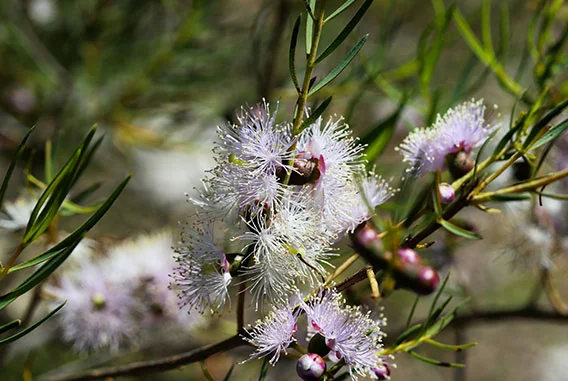
| INCI | Melaleuca Alternifolia (Tea Tree) Leaf Oil |
| Concentration guidance | Oral-care products typically 0.1-0.5%; rinse-off products up to 1% |
- Tea tree oil is a concentrated therapeutic oil — internal ingestion can be harmful and is not advised
- In toothpaste and mouthwash, it is used for its fresh, clean, antimicrobial character, always in formulated, low-dose products
- EU cosmetics law (Regulation (EC) 1223/2009 Annex III) limits tea tree oil to 1% in leave-on cosmetics
- We can supply a low-cineole, purified lot and provide usage guidance for oral-care formulators
- For food-use regulatory advice, consult a specialist for your destination market
Relate Products
This article was published on 2026-09-07, and last updated on 2026-09-07. The article will be continuously updated.