Which botanical species does this tea tree oil come from, and where is it grown?
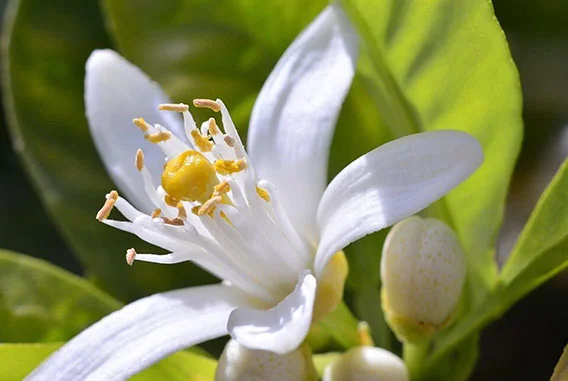
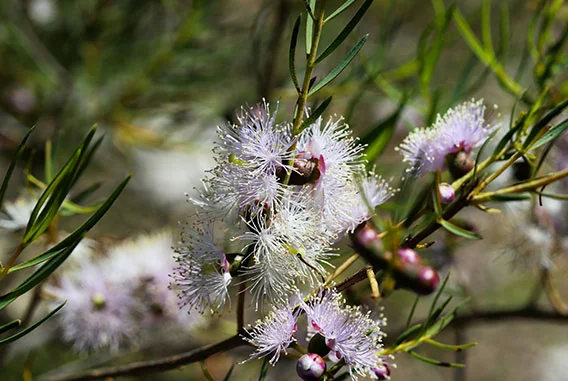
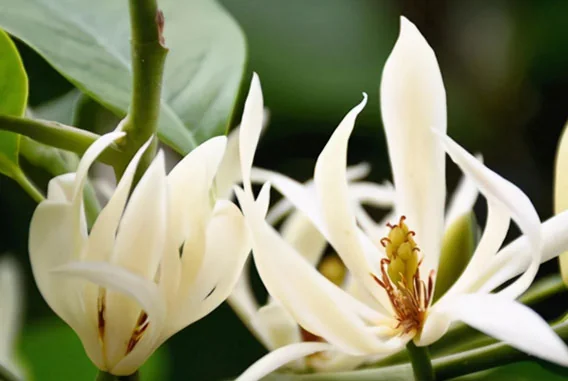
This tea tree oil is steam-distilled from the fresh leaves and terminal branchlets of the Narrow-leaved Tea Tree (Melaleuca alternifolia (Maiden & Betche) Cheel), the species recognized by ISO 4730 as the true source of Australian tea tree oil.
Species & Origin
| Item | Detail |
|---|---|
| Botanical name | Melaleuca alternifolia (Maiden & Betche) Cheel |
| Family | Myrtaceae (myrtle family) |
| Part used | Fresh leaves and terminal branchlets |
| Product code | TPS-RO-003 |
| Main origins | Australia (New South Wales — original home), China (Guangxi, Yunnan), South Africa, Kenya |
| Natural habitat | Swampy, river-flat woodlands of coastal New South Wales |
| Historical status | Used by Bundjalung people for millennia; industrialized in Australia in the 1920s |
- Under ISO 4730, the only species officially permitted for "tea tree oil" is Melaleuca alternifolia — all others (e.g. M. linariifolia, M. dissitiflora) are classified differently
- The oil is defined as "Tea tree oil [Melaleuca alternifolia (Maiden & Betche) Cheel]" in ISO 4730, the world benchmark for this oil
- Chinese planting (Guangxi, Yunnan) now supplies a large share of global tea tree oil, with quality aligned to ISO 4730
- Chemotype matters: our lots are selected for high terpinen-4-ol and low 1,8-cineole — the marker of therapeutic-quality tea tree oil
- Do not confuse with "ti-tree" (Cordyline) or melaleuca species used for other purposes
Relate Products
This article was published on 2026-09-07, and last updated on 2026-09-07. The article will be continuously updated.