What factors influence the price of peppermint oil?
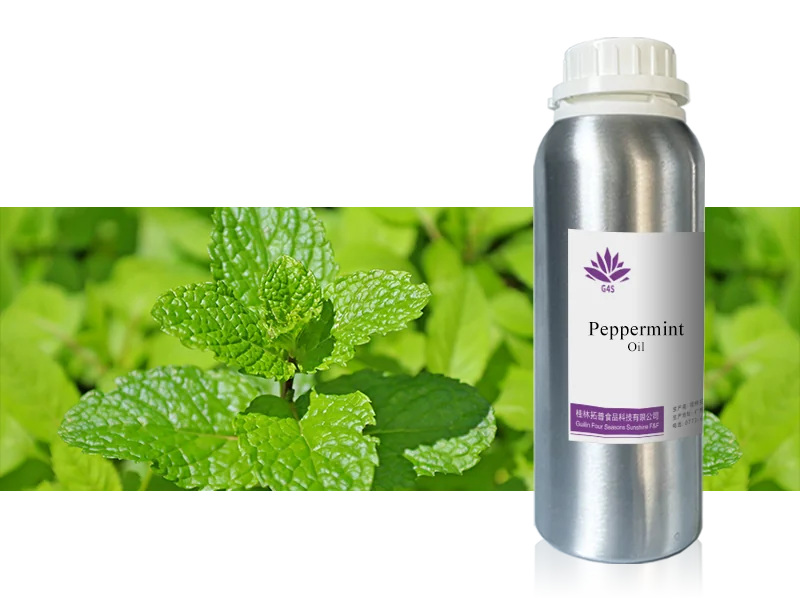
Peppermint oil pricing is driven mainly by the annual harvest: new-crop prices are set after each harvest, then trend through the crop year. Menthol content, origin and grade quality also matter, as does global demand from the confectionery and oral-care industries.
Key Price Drivers
| Factor | Impact |
|---|---|
| Harvest outcome | Weather and acreage set the yearly crop; a short crop firms prices sharply |
| Menthol content | Higher menthol (US-type, 40-55%) trades at a premium over lower-menthol lots |
| Origin | US Pacific NW oil is the benchmark and typically prices above Indian/Chinese lots |
| ISO 856 type | Type A (US-style) vs Type B affects price for demanding buyers |
| Crop-year timing | Prices are lowest after harvest and firm through the year |
| Certification | USP documentation, organic, halal/kosher and low-pulegone selection add cost |
| Volume and freight | Container contracts get tier pricing; freight and FX affect landed cost |
Price Benchmark Logic
- The global reference is US-type peppermint oil; Indian and Chinese lots trade at discounts reflecting origin and profile
- Menthol is the value driver: the oil is often priced in relation to the natural menthol market
- Our quotes include COA, GC-MS, SDS and standard documentation; special grades and certificates are quoted separately
Getting the Best Price
- Buy after the main harvest when new-crop prices settle (Q2-Q3)
- Sign annual contracts to lock pricing windows and allocation
- Consolidate volume into fewer shipments to lower freight per kg
- Request a rolling quote — we update prices regularly, so you can time your purchase
Relate Products
This article was published on 2026-09-07, and last updated on 2026-09-07. The article will be continuously updated.