Are heavy metals and pesticide residues tested in this peppermint oil?
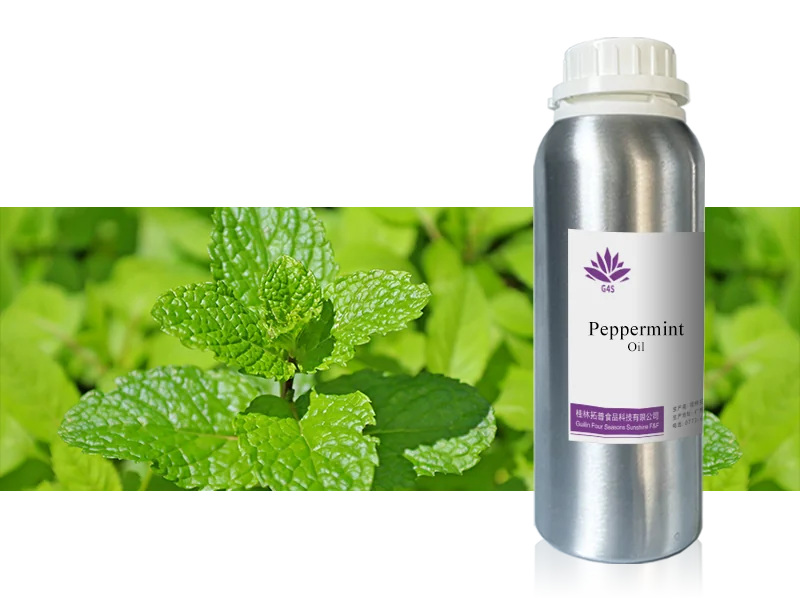
Yes. Heavy metals and pesticide residues are tested as part of the quality program, with limits aligned to the destination market. Peppermint is a leafy, high-surface crop in the Lamiaceae family, so pesticide screening is an important part of release testing — especially for food and oral-care applications.
Heavy Metal Limits
| Parameter | Cosmetic (GB 7916 / CNS) | Food (GB 2762) |
|---|---|---|
| Lead (Pb) | ≤10 mg/kg | ≤2.0 mg/kg |
| Arsenic (As) | ≤2 mg/kg | ≤1.0 mg/kg |
| Mercury (Hg) | ≤1 mg/kg | ≤0.1 mg/kg |
| Cadmium (Cd) | ≤5 mg/kg | ≤0.5 mg/kg |
Pesticide Residue Screening
- Multi-residue GC-MS/LC-MS screening covers insecticides and fungicides typical for mint crops (pyrethroids, organophosphates, triazoles)
- Results are reported against the MRL of the destination market (GB 2763 in China, EU 396/2005 in the EU)
- Batches are released only when residues are below the applicable MRL or detection limits
Testing Process
- Drum-level sampling per batch; composites prepared by a certified lab
- ICP-MS for metals and GC-MS/LC-MS for pesticide multi-residues
- Test certificates are included in the batch documentation; third-party testing to your specification can be arranged
- Re-testing interval: every batch before release, and on request before shipment of long-stored lots
Relate Products
This article was published on 2026-09-07, and last updated on 2026-09-07. The article will be continuously updated.