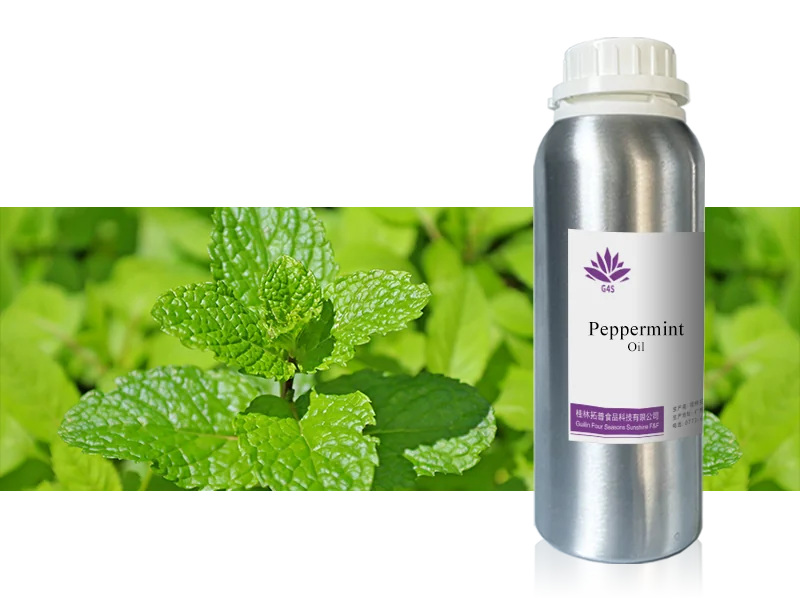
How does peppermint oil compare with spearmint, cornmint and eucalyptus?
Peppermint is often confused with other mint oils — spearmint and cornmint (Mentha arvensis) in particular — and with eucalyptus for its cooling note. Each is botanically and olfactively distinct, and they are not interchangeable in formulations.
Side-by-Side Comparison
| Oil | Botanical | Character | Key component | Best role |
|---|---|---|---|---|
| Peppermint (this oil) | M. × piperita | Sharp, cooling, sweet-herbaceous | Menthol 30-55% | Oral care, confectionery, freshness |
| Cornmint (薄荷素油) | M. arvensis (M. canadensis) | Harsher, more camphoraceous, high menthol | Menthol 50-60% (often de-mentholated) | Cheap menthol source, industrial |
| Spearmint | M. spicata | Sweet, mild, less cooling | Carvone 50-70% | Chewing gum, toothpaste, sweeter profiles |
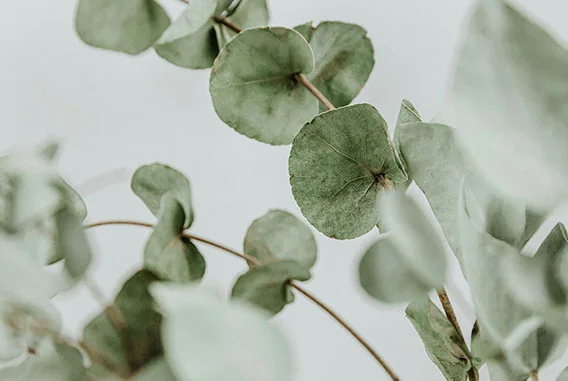
| Eucalyptus | E. globulus | Camphoraceous, medicinal-cooling | Eucalyptol (1,8-cineole) 70-80% | Respiratory products, pain rubs |
Choosing Between Them
- Peppermint vs spearmint: peppermint is sharper and far more cooling (menthol); spearmint is sweeter, milder and lower in menthol (carvone-driven). Chewing gum brands often blend both — peppermint for freshness, spearmint for sweetness
- Peppermint vs cornmint: cornmint is cheaper and higher in menthol but harsher and more camphoraceous; peppermint (piperita) is smoother and sweeter with the menthofuran complexity. Do not substitute without rebalancing the flavour
- Peppermint vs eucalyptus: eucalyptus gives the medicinal-camphor cooling with eucalyptol; peppermint gives the edible-minty freshness. In rubs and respiratory blends they are complementary, not alternatives
Adulteration Watch
- Cheaper cornmint or added menthol is sometimes blended into peppermint oil — the menthofuran and ester fingerprint in GC-MS detects this
- Our COA reports menthol, menthone, menthyl acetate, menthofuran and pulegone so the species profile is verifiable
Relate Products
This article was published on 2026-09-07, and last updated on 2026-09-07. The article will be continuously updated.