
What factors influence the price of patchouli oil?
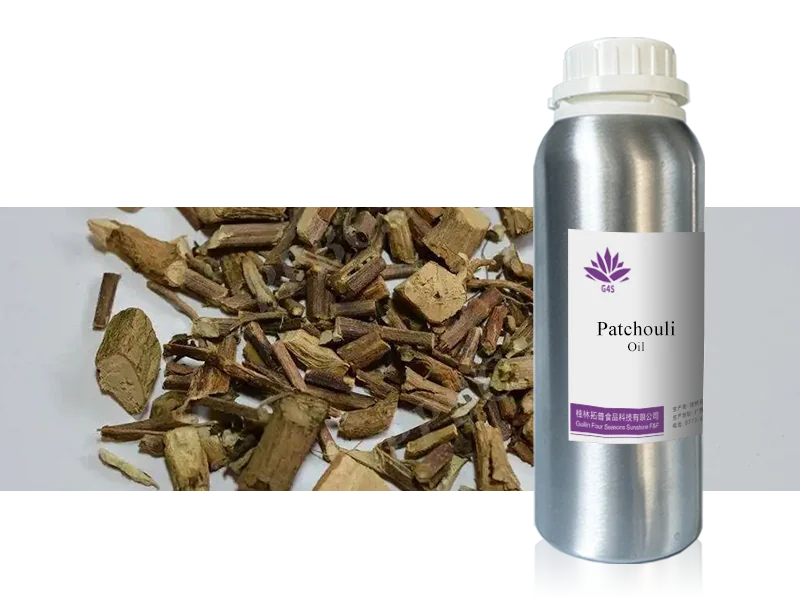
Patchouli oil pricing is driven by origin, quality grade, supply season and market demand. Indonesia accounts for 85-90% of world production, so Indonesian weather, harvest volumes and export policy set the global price floor.
Key Price Drivers
| Factor | Impact |
|---|---|
| Patchoulol content | Higher patchoulol (30-40%+) commands premium pricing; standard 27-35% is the benchmark |
| Origin | Indonesian benchmark lots typically trade at a premium over China-sourced material |
| Grade | Standard vs iron-free pale vs high-patchoulol — each is priced separately |
| Season | Dry season output is steadier; rainy season supply tightens and prices firm |
| Certification | Halal, kosher, organic and IFRA-certified lots carry certification cost |
| Volume | Container-scale contracts get tier pricing; samples and small lots pay higher unit rates |
| Market conditions | Global fragrance demand, freight rates and FX movements affect the landed price |
Price Benchmark Logic
- The market reference is Indonesian type: standard grade 27-35% patchoulol, with the industry trading on a per-kg basis for drum lots
- PT Coco Total-style tiers illustrate the ladder: standard 30-35%, high 35-40%, premium 40%+, iron-free pale for perfume work
- Our quotes include COA, GC-MS, SDS and standard documentation; certificates and special testing are quoted separately
Getting the Best Price
- Consolidate volume into fewer shipments to lower freight and handling per kg
- Sign annual contracts to lock pricing windows and priority allocation
- Order stock grades during the dry-season abundance for better availability
- Request a rolling quote — we update prices every 2 weeks, so you can time your purchase
Relate Products
This article was published on 2026-09-07, and last updated on 2026-09-07. The article will be continuously updated.