How does patchouli oil compare with similar woody-earthy oils?
Patchouli is often grouped with vetiver, cedarwood and oakmoss, but each has a distinct character and role. Understanding the differences helps you choose the right oil — and the right blend partner — for your formula.
Side-by-Side Comparison
| Oil | Character | Tenacity | Main component | Best role |
|---|---|---|---|---|
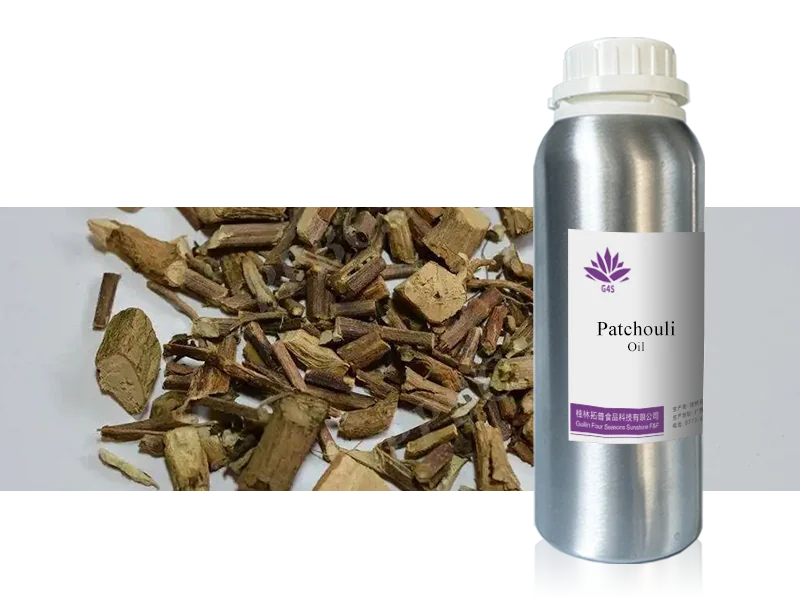
| Patchouli (this oil) | Earthy-woody, sweet balsamic, tobacco-chocolate | Very high | Patchoulol 27-35% | Base note, fixative, oriental/chypre heart |
| Vetiver | Dry rooty, smoky, green | Very high | Vetiverol, khusimol | Base note, masculine fougere |
| Cedarwood | Soft woody, pencil-shaving, resinous | Medium-high | Cedrol, cedrene | Cheap filler, woody middle |
| Oakmoss | Mossy, damp, lichen | Medium | Atranol (restricted) | Chypre base (IFRA-limited) |
| Guaiacwood | Smoky, rose-woody, amber | Medium | Guaiol | Smoky woody accent |
| Agarwood (oud) | Smoky, animalic, resinous, rare | Very high | Sesquiterpenes | Luxury oriental accent |
Choosing Between Them
- Patchouli vs vetiver: patchouli is sweeter and more balsamic; vetiver is drier and rootier. Use patchouli for warmth and fixative power, vetiver for dry masculine depth — they also blend beautifully together
- Patchouli vs cedarwood: cedarwood is a lighter, cheaper woody note; patchouli adds the signature earthy-sweet depth. Cedarwood is a common adulterant of patchouli — our GC-MS check protects against this
- Patchouli vs oakmoss: oakmoss is heavily restricted under IFRA 51 (atranol/chloroatranol limits); patchouli offers a mossy-woody depth with no IFRA restriction — a practical substitute in chypre accords
- Patchouli vs oud: agarwood is rarer and much costlier; patchouli provides a related smoky-woody-animalic nuance at a fraction of the price and is a classic oud extender
When Patchouli Is the Right Choice
- You need a tenacious, unrestricted base note with broad market acceptance
- Your formula needs an earthy-woody body without IFRA restrictions or oakmoss-style limits
- You want a reliable, well-supplied oil (Indonesia = 85-90% of world production) at stable pricing
Relate Products
This article was published on 2026-09-07, and last updated on 2026-09-07. The article will be continuously updated.