What does patchouli oil smell like?
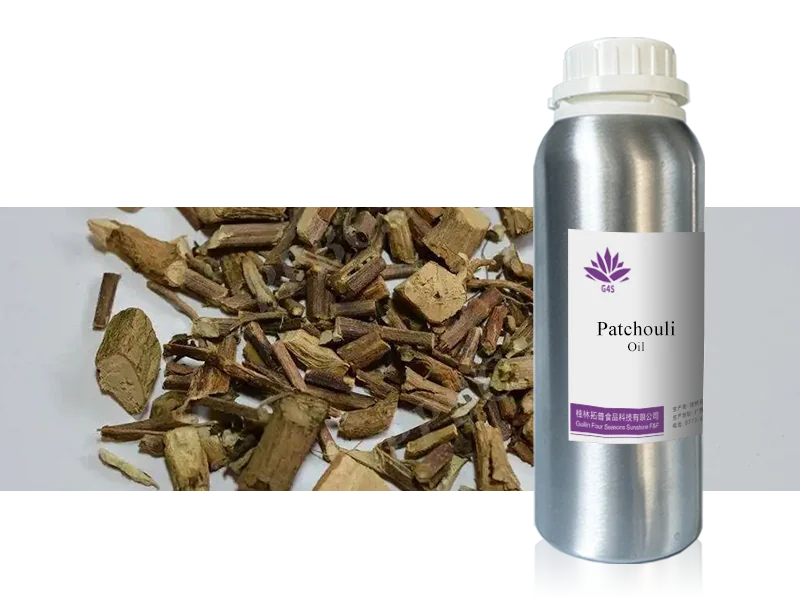
Patchouli oil opens with an intense, herbaceous-camphoraceous top note that softens within minutes to reveal its true character — a deep, rich earthy-woody heart with a warm balsamic-resinous body.
The Aroma Pyramid
| Layer | Character | Impression |
|---|---|---|
| Top note | Fresh herbaceous, camphoraceous | Green, slightly sharp, quickly fading |
| Heart | Earthy-woody, damp soil, moss | The classic patchouli signature |
| Base | Balsamic-resinous, sweet tobacco-chocolate, spicy-animalic | Long-lasting, tenacious, warm |
Describing the Profile
- The signature scent is carried by patchoulol, a sesquiterpene alcohol that gives the oil its sweet, earthy, woody depth — the note most perfumers call true patchouli
- Freshly distilled oil is sharper and camphor-like; 6-12 months of aging smooths it into the mellow, chocolate-tobacco-rich character prized in fine perfumery
- Good patchouli has a subtle animalic-leather nuance in the drydown, the quality that makes it such a powerful fixative
- The oil is often compared to vetiver (dry rooty versus damp earthy) and to oakmoss (both share a dark mossy-woody depth), but patchouli is uniquely sweet and tenacious
Why It Matters in Blending
- A base note with extraordinary tenacity — patchouli can outlast almost every other material in a formula, anchoring the scent for days on skin and weeks on fabric
- Its spicy-woody sweetness makes it the backbone of oriental and chypre accords, adding richness and longevity rather than overt fragrance
- At low doses patchouli adds depth and warmth to floral or citrus blends without announcing itself; at high doses it is the unmistakable star
Relate Products
This article was published on 2026-09-07, and last updated on 2026-09-07. The article will be continuously updated.