How does michelia leaf oil compare with flower oil, ylang and lavender?
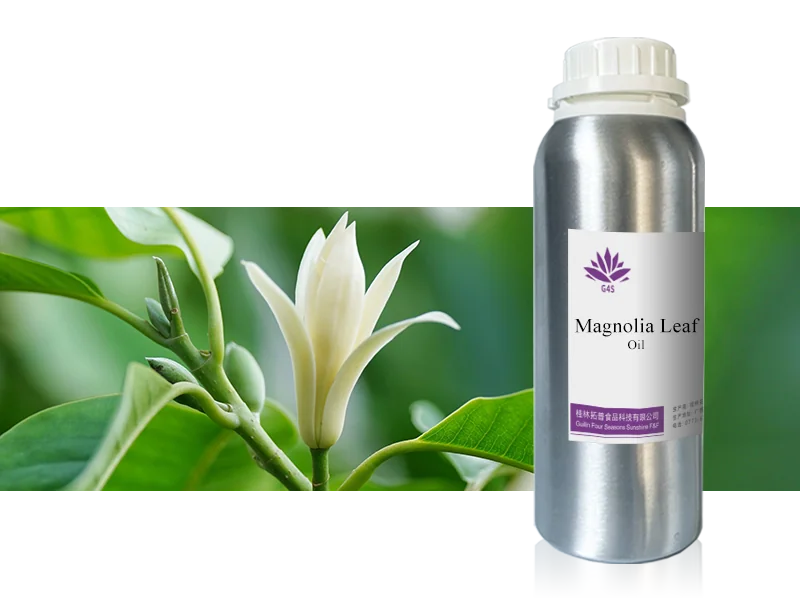
Michelia leaf oil sits in a distinct price-performance niche: it gives perfumers most of the olfactory impact of its costly sister oils at a fraction of the price.
Comparison Table
| Material | Linalool (typical) | Character | Relative cost (rough) | Best for |
|---|---|---|---|---|
| Michelia leaf oil | 70-89% (up to 88% typical) | Fresh green-floral, tea-like, clean | Reference (low) | Floral volume, soapy-fresh accords, green tea |
| Michelia flower oil | 57-75% | Richer, heavier, more indolic floral | ~5-10x leaf oil | Luxury floral absolutes |
| Ylang-ylang | low linalool, rich esters/phenols | Sweet, narcotic, banana-floral | higher than leaf | Exotic floral depth |
| Lavender | 25-45% | Herbaceous-floral, camphor edge | similar to leaf | Calming, classic cologne |
| Coriander seed | 60-75% | Woody-floral, spicy top | similar | Hidden floral-linalool note |
What Makes Leaf Oil Special
- It is the highest-linalool floral material on the affordable end of the market — typical 80-88% in premium lots
- Its (R)-linalool enantiomeric excess (≥ 90% ee) is higher than flower oil (~75% ee) and far above synthetic linalool — a documented naturalness and odour-quality advantage
- Compared with lavender it lacks the camphor-herbal edge, so it reads cleaner and more floral
- Compared with ylang it is far less heady and much easier to dose in body-care formulas
- The GB 1886.276 and FEMA 3950 compliance makes it double-usable in flavour and fragrance, which neither ylang nor lavender can match at this price point
Relate Products
This article was published on 2026-09-07, and last updated on 2026-09-07. The article will be continuously updated.