How does litsea cubeba oil compare with lemon, lemongrass and lemon eucalyptus oils?
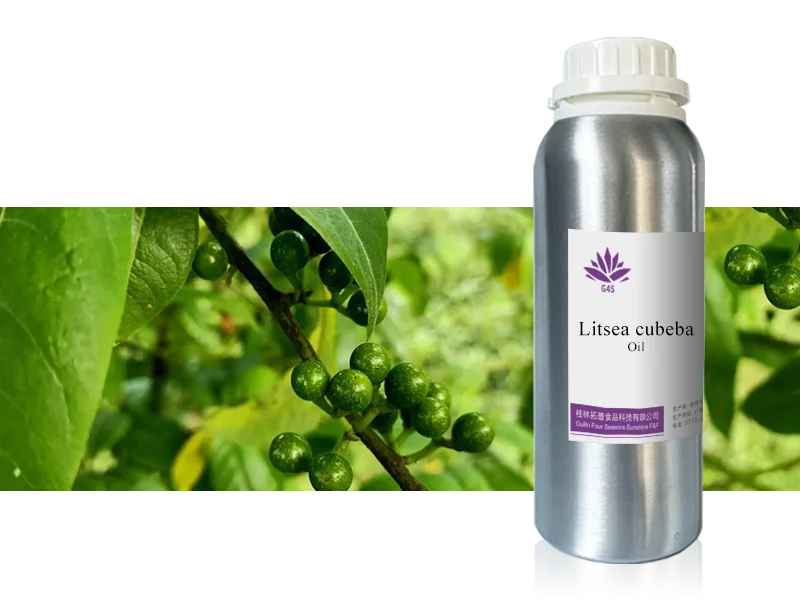
All four oils smell lemony but they are chemically and botanically different. Litsea cubeba is a berry distillate dominated by citral (68-80%); lemon peel oil is pressed from Citrus limon peel and is D-limonene-based (~65-70%); lemongrass is distilled from grass leaves and is citral-rich but with a harsher, herbaceous character; lemon eucalyptus contains the citronellal/aldehyde family rather than true citral. Each suits different jobs.
Comparison Table
| Oil | Botanical part | Main components | Character |
|---|---|---|---|
| Litsea cubeba | Fresh berries | Citral 68-80%, limonene ~13.9% | Pure, intense sweet-lemon, fruity |
| Lemon (peel) | Citrus limon peel | D-limonene ~65-70%, citral ~2-4% | Juicy peel, softer top |
| Lemongrass | Grass leaves | Citral 65-80% | Sharp lemon with grassy bite |
| Lemon eucalyptus | Leaves | Citronellal ~70-80% | Camphoraceous-lemon, distinct |
- For maximum natural citral per kilogram at best value, litsea cubeba is the market leader — China supplies over 85% of world natural citral, mostly from this berry
- For a classic juicy lemon-fruit top in food, lemon peel oil remains the classic; litsea gives the cleaner, sharper citral backbone
- Because litsea is far cheaper per gram of citral than lemongrass, industrial flavour and perfume houses use it as the workhorse
- The EU allergen declaration differs too: litsea lists citral, limonene, linalool, geraniol and citronellol in its five declared allergens
Relate Products
This article was published on 2026-09-07, and last updated on 2026-09-07. The article will be continuously updated.