How does IFRA 51st and the EU allergen rule apply to this geranium oil?
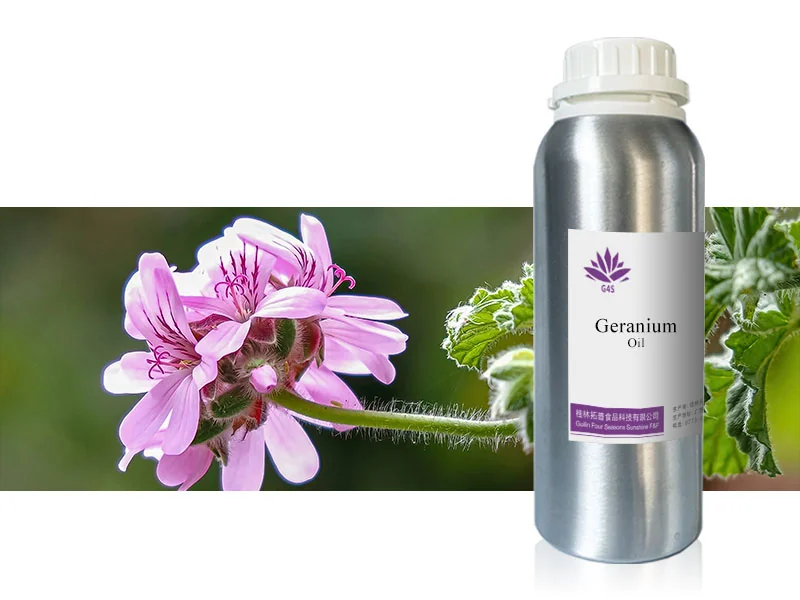
Geranium oil is one of the most allergen-heavy essential oils in perfumery. Two rules interact: IFRA 51st Amendment sets safe usage limits, and EU Regulation 2023/1545 (which replaces the older Annex III of the Cosmetic Regulation) sets mandatory label declarations for substances in the EU fragrance-allergen list.
IFRA and EU Position for Geranium Oil
| Item | Value |
|---|---|
| IFRA 51st usage limit (perfume category 4) | ≤ 15% geranium oil in the fragrance compound |
| IFRA Certificate of Conformity | Issued with each batch for fragrance use |
| Geranium oil itself in the EU allergen list | Yes — oil of geranium is a named allergen |
| Naturally present allergens ≥ 0.01% (leave-on) / ≥ 0.001% (rinse-off) | Citronellol, geraniol, linalool, benzyl alcohol, citronellyl formate (→ citronellol), geranyl acetate (→ geraniol) |
| Who declares them | The finished-product brand must list them on the label (EU 2023/1545) |
- Because citronellol (18-43%) and geraniol (5-20%) are major components, almost every finished cosmetic or perfume containing geranium oil must declare at least those two allergens
- Our CoA states the full component list so your formulator can compute the allergen declaration from the actual batch — not from a guessed average
- EU 2023/1545 also tightened labelling of the oil itself: when geranium oil is used as a fragrance ingredient, its presence triggers the declaration even at low doses
- IFRA limits apply to the fragrance compound level; your finished-product dilution must stay within the 15% cap
- For food flavouring (FEMA 2508 / GB 2760), the cosmetic allergen rule does not apply — but food labels in some markets still ask for natural-flavouring transparency
Relate Products
This article was published on 2026-09-07, and last updated on 2026-09-07. The article will be continuously updated.