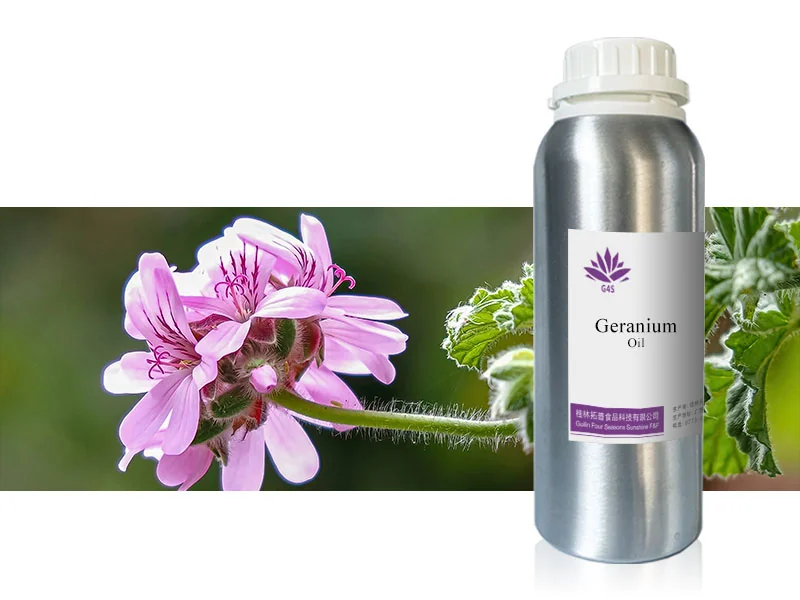
How does this geranium oil compare with rose, palmarosa, and citronella oils?
Geranium oil sits in a family of rosy-floral oils that buyers frequently compare: rose absolute (the premium), palmarosa oil (the budget rose substitute), and citronella oil (a high-citronellol industrial oil). Each has a different cost, character, and compliance profile — here is the honest comparison.
Comparison Table
| Feature | Geranium (TPS-RO-011) | Rose absolute | Palmarosa oil | Citronella oil |
|---|---|---|---|---|
| Odour | Rosy-floral, green, minty top | Deep, rich rose | Rosy-green, grassier, less refined | Lemongrass-citronellal, coarse |
| Main components | Citronellol 18-43%, geraniol, tiglate esters | Citronellol, geraniol, phenyl ethyl alcohol | Geraniol ~70-85% | Citronellal, geraniol |
| Relative cost | Medium | Very high (5-20x geranium) | Low-medium | Low |
| IFRA 51st cap | 15% | 6% (rose absolute) | 15% | 5.6% (cat. 4) |
| Food flavouring | FEMA 2508 GRAS | FEMA 2989 | FEMA 2831 | FEMA 2308 |
| Best role | Rose extender, heart-note bridge | Luxury top/note | Cheap rose in soaps | Household & insect care |
- Buy geranium when you need refined rosy-floral with minty freshness at a mid price — the most cost-effective true "rose-like" heart note
- Choose palmarosa only for cost-driven soap and candle bases where the grassier note is acceptable
- Rose absolute is for premium claims; geranium is the standard way to stretch it 2-5x in a formula
- Citronella is not an odour alternative to geranium — it is a functional oil for mosquito products and industrial terpene use
Relate Products
This article was published on 2026-09-07, and last updated on 2026-09-07. The article will be continuously updated.