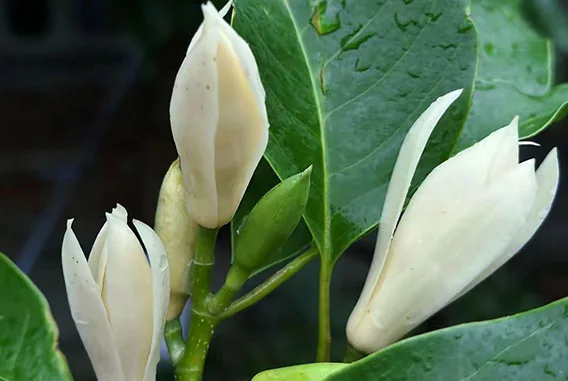
How does Chuanxiong rhizome oil compare with Angelica and other root oils?
Chuanxiong, Angelica (Danggui), and Astragalus are the three most iconic TCM root oils, each with a distinct therapeutic profile and aroma.
Comparison of TCM Root Oils
| Aspect | Chuanxiong oil | Angelica (Danggui) oil | Astragalus oil |
|---|---|---|---|
| TCM action | Move qi, invigorate blood, dispel wind, relieve pain | Tonify blood, moisten intestines, harmonize blood | Tonify qi, raise yang, strengthen defense |
| Aroma | Warm spicy-earthy, penetrating, woody-musky base | Sweet-medicinal, warm and rounded | Soft sweet-woody, honey-malty, creamy |
| Key markers | Ligustilide 45–65%, phthalides 61–97% | Ligustilide-based phthalide profile | Astragaloside IV, formononetin |
| Family | Apiaceae (Ligusticum chuanxiong) | Apiaceae (Angelica sinensis) | Fabaceae (Astragalus membranaceus) |
| Best fit | Head therapy, circulation blends, spicy accords | Female-wellness and tonifying blends | Qi-tonic wellness, mellow woody accords |
- Chuanxiong is the most "moving and penetrating" of the three — ideal where you want energetic, diffusive warmth
- Danggui is sweeter and more nourishing; the two are traditionally used together (Danggui-Chuanxiong pair)
- Astragalus is the sweetest and most mellow, better for relaxation-style wellness blends
Relate Products
This article was published on 2026-09-07, and last updated on 2026-09-07. The article will be continuously updated.