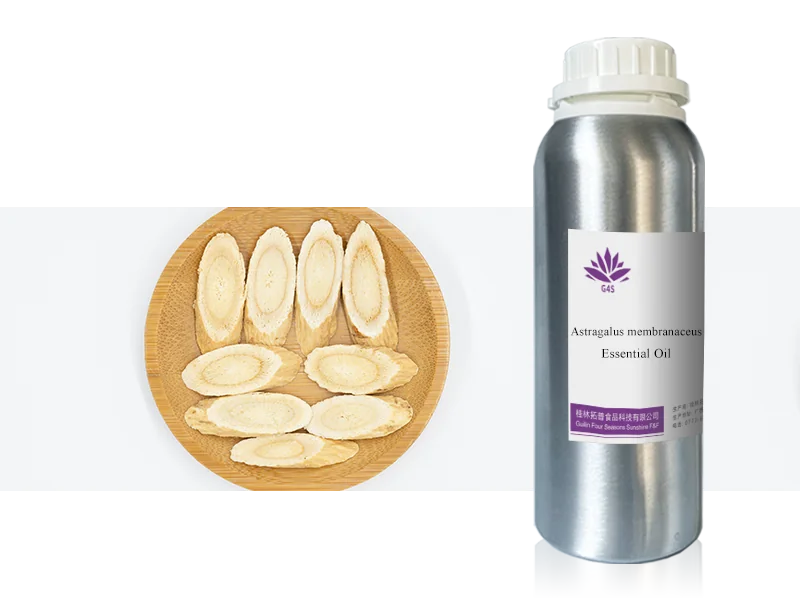
How does Astragalus root oil compare with Angelica and other root oils?
Astragalus root oil is the gentlest and most "nourishing" of the major Chinese tonic root oils.
Comparison Table
| Aspect | Astragalus root oil | Angelica root oil | Valerian root oil |
|---|---|---|---|
| Aroma | Soft sweet-earthy, honeyed leguminous, mild resinous-medicinal | Deep sweet-herbal, spicy-woody, phthalide-rich | Intense earthy-balsamic, musty-root, pungent |
| Intensity | Low–medium (non-dominating) | Medium–strong | Strong, animalic |
| Marker | Astragaloside IV, isoflavones | Ligustilide 45–65% | Valerenic acids |
| TCM profile | Qi tonic, immunity, adaptogenic | Blood tonic, circulation, female care | Calming, sleep support |
| Blending role | Base fixative, wellness signature | Base-middle spice-herb | Niche calming/balsamic |
| Cost position | Mid–high | High (scarce Dao-di) | Low–mid |
- Astragalus is the better choice when you need a warm, grounding herbal note that never overpowers — ideal for modern "wellness" fragrances and premium cosmetics
- Angelica suits rich oriental/spicy compositions; valerian suits deep relaxation and incense-like accords
Relate Products
This article was published on 2026-09-07, and last updated on 2026-09-07. The article will be continuously updated.