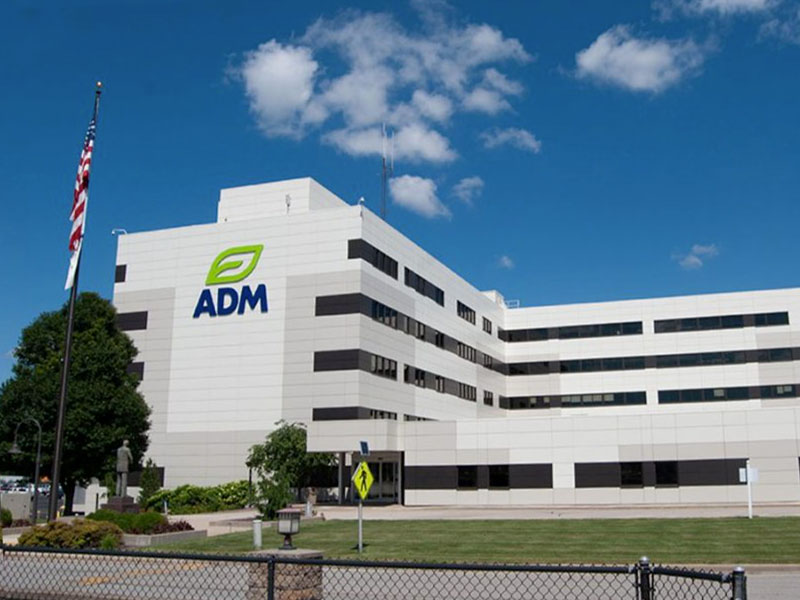
In 2014, ADM made an acquisition that many peers did not understand at the time: it bought Germany's Wild Flavors. An agricultural processing giant built on flaxseed crushing, oilseed trading, starch and sweeteners buying a food flavour company did not look self-evident on paper. Ten years on, that step had moved ADM from "agricultural supplier" to "flavour and nutrition solutions provider" — and it was after that, too, that ADM's engineers began putting questions to natural raw material suppliers like us. ADM was founded in 1902, starting from a flaxseed workshop in Minneapolis, Minnesota; its headquarters is now in Chicago, annual revenue is in the tens of billions of dollars, it has around 40,000 employees worldwide, operations in more than 190 countries and regions, and several hundred processing plants and R&D centres. At that scale, the work is done with more method, not less.
The change the acquisition brought was most concrete at the workshop level: where questions used to be about protein content, moisture and ash, they became about where the aroma comes from, whether it can be labelled natural, and how much this year's batch differs from last year's. On the business side ADM has three segments — Agricultural Services & Oilseeds, handling the purchase, processing and trading of agricultural products; Carbohydrate Solutions, producing starch, sweeteners and various functional carbohydrates; and Nutrition, bringing together flavours, natural colours, plant extracts, probiotics, dietary fibres and plant proteins to serve food and beverage, dietary supplements and pet nutrition. What we entered is the most upstream link in the Nutrition segment: the natural substances the flavour end needs, and the plant ingredients whose origin has to be explainable on a label. ADM's scale adds a requirement nobody else has: the same specification sheet has to satisfy plants in Chicago, Shanghai and Singapore at once, and if the data at any one point does not match, that batch cannot go into the line in that country. Our own habit happens to fit that requirement: from raw material entering the plant to finished product leaving it, every step keeps a record and keeps a physical sample.
The relationship between the two companies actually began with admitting what we cannot do. In the first round of discussion we said it up front: capacity is not unlimited, and in a poor harvest year the volume simply will not rise; there are varieties we cannot make because we do not grow them; on price, we have already cut everything we can, and pressing further would mean moving the raw material grade down, which we will not do. ADM's answer was equally plain: the application work is ADM's own, formulas will not be handed to us, and all we have to do is make the material stage clear. Two rounds of candour saved a great deal of trouble later. The real consensus is not "promise everything", but "say clearly what can be said, and say early what cannot" — in this natural materials business, the worst thing is taking the order first and working out how to deliver afterwards.
The first order was small enough that it did not justify a single shift in the workshop; it existed purely so the other side could run its evaluation process once through. What really took time was entering the system: the sustainable sourcing audit questionnaire ran to dozens of pages, asking about water use, inputs and grower management down to plot level — far finer than the answers we had prepared. It took us the better part of half a year to rebuild our records from base level down to plot level before we cleared that hurdle. A harder one came after: the same batch sent to plants in three countries came back with inconsistent evaluation results. The material was the same batch; the problem lay in sampling temperature, dilution method and evaluation procedure. Over the following months we worked through a round of method alignment and wrote sampling conditions, dilution ratio and evaluation timing into the specification sheet together, and the inconsistency disappeared for good. Later this material was written into formula templates shared by ADM plants in several countries, and in the annual supplier scorecard our item climbed year by year.
ADM's end uses are finely divided, so we talk about technology by end use as well. On the beverage route, what matters most is water solubility and clarity, which comes from pushing refining depth one notch forward and then using aroma concentration to enrich the actives — less added, and the system stays clear. On the dairy route, what is needed is heat resistance and masking of base off-notes, which comes from molecular distillation raising purity so the sources of off-flavour are pressed down first. On the confectionery and bakery route, the material goes through high temperature and still has to keep its aroma, which comes from molecular distillation combined with controlled release, letting the aroma come out more slowly and last longer. On the savoury route, dosage is low but steadiness is essential, which comes from dynamic multi-stage counter-current extraction pulling the actives out cleanly so the variation between batches is small. Underneath these four routes lie two things common to all: supercritical fluid extraction, low temperature throughout with no solvent entering the process, matching ADM's requirements on natural character; and Living-Fragrance physical extraction, moving the plant's original aroma structure across intact by physical means, with no foreign modification added.
On supply, ADM's plants in several countries may want the same material at the same time, and we schedule to one specification separately and supply them in parallel, never letting an increase in one place squeeze out another. Production scheduling follows ADM's purchasing year rather than our own production year. Service is made solid too: for questionnaires of dozens of pages, we fill them in one level more detailed than required, attaching plot-level records and third-party reports; when ADM raises issues at an audit, we give a rectification timetable on the spot and do not accept "we will look into it back at the office". The relationship has been built up slowly: at exhibitions the two sides speak up for each other and bring the other along when meeting customers; once a year there is a meeting where no orders are discussed, only next year's raw material situation and the risks that might come with it.
For the years ahead, what the two sides need to do together is clear: make the sustainability side genuinely solid, make the screening of new raw materials faster, and unify the specifications for multi-plant supply one layer further. ADM has the view of a global industry chain and the application outlets of several hundred plants; we have thirty years of extraction craft and the raw-material land of Guangxi. The longer the chain, the more the people at both ends have to be dependable — one less round of explanation in the middle means one less measure of loss.
This article was published on 2026-09-14, and last updated on 2026-09-21. The article will be continuously updated.