Which botanical species does this ylang ylang oil come from, and where is it grown?
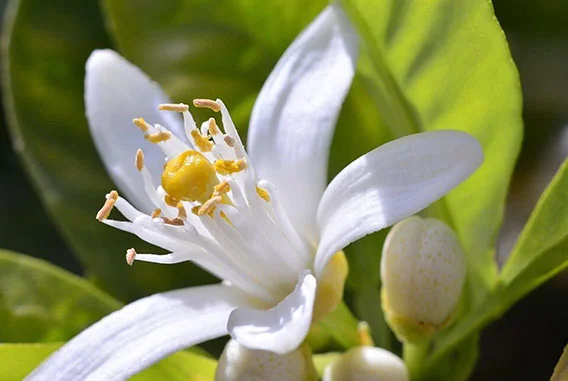
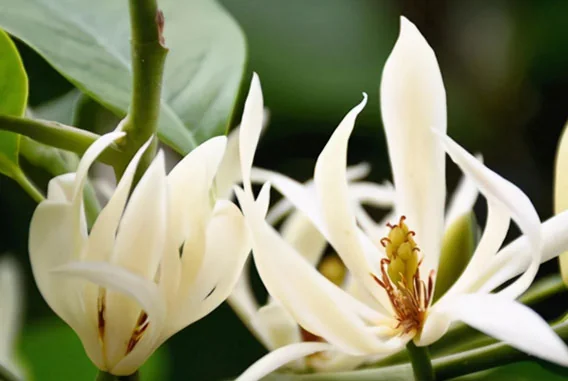
This ylang ylang oil is steam-distilled from the dawn-harvested fresh flowers of the Ylang Ylang tree (Cananga odorata (Lam.) Hook.f. & Thomson), the "flower of flowers" of the tropics — a member of the custard-apple family (Annonaceae).
Species & Origin
| Item | Detail |
|---|---|
| Botanical name | Cananga odorata (Lam.) Hook.f. & Thomson |
| Family | Annonaceae (custard-apple family) |
| Part used | Fresh flower blossoms (harvested at dawn) |
| Product code | TPS-RO-013 |
| Main origins | Madagascar (world's largest), Comoros, Indonesia (Nusa Kambangan), Mayotte |
| Natural habitat | Tropical lowland rainforest, sea level to ~500 m |
| Historical status | "Ylang ylang" = "flower of flowers" in Malay; treasured for centuries; key material in classic perfumery since the 19th century |
- Genuine ylang ylang comes only from Cananga odorata var. genuina; the close relative C. odorata var. macrophylla yields "cananga oil" — a coarser, more woody commercial oil that is NOT ylang ylang
- Flowers are picked by hand at dawn before sunrise, when the fragrant oil yield is highest
- Mature trees flower year-round in the tropics, allowing continuous harvesting
- Madagascar and the Comoros set the world benchmark for quality; Indonesian oil is often more woody
- ISO 3063 is the international standard defining ylang ylang oil grades
Relate Products
This article was published on 2026-09-07, and last updated on 2026-09-07. The article will be continuously updated.