

No Image
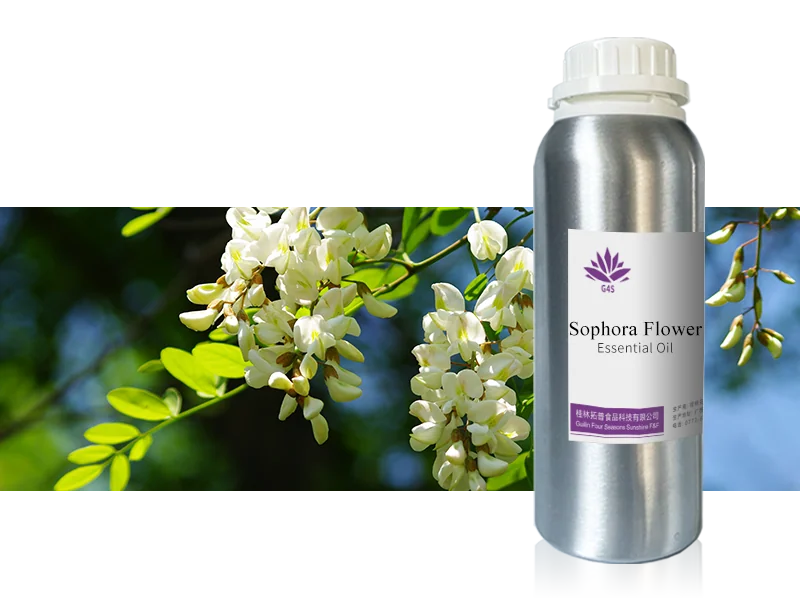
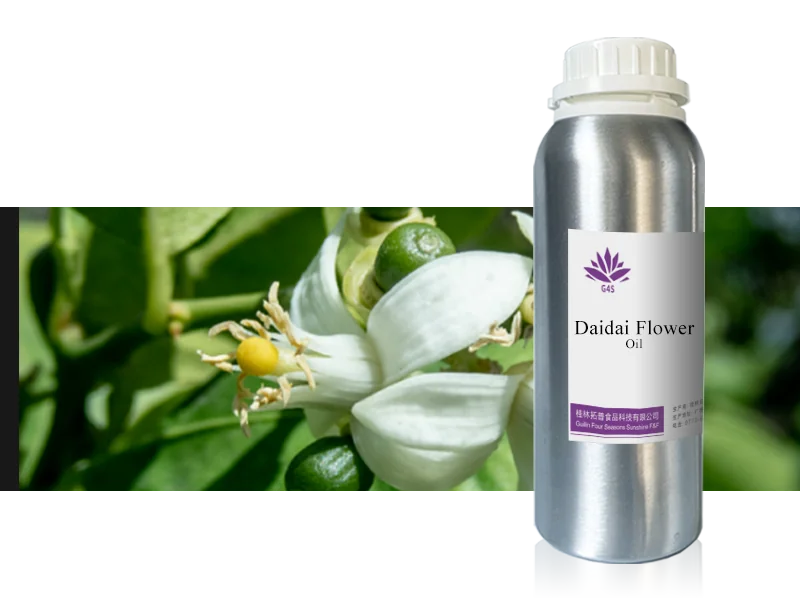
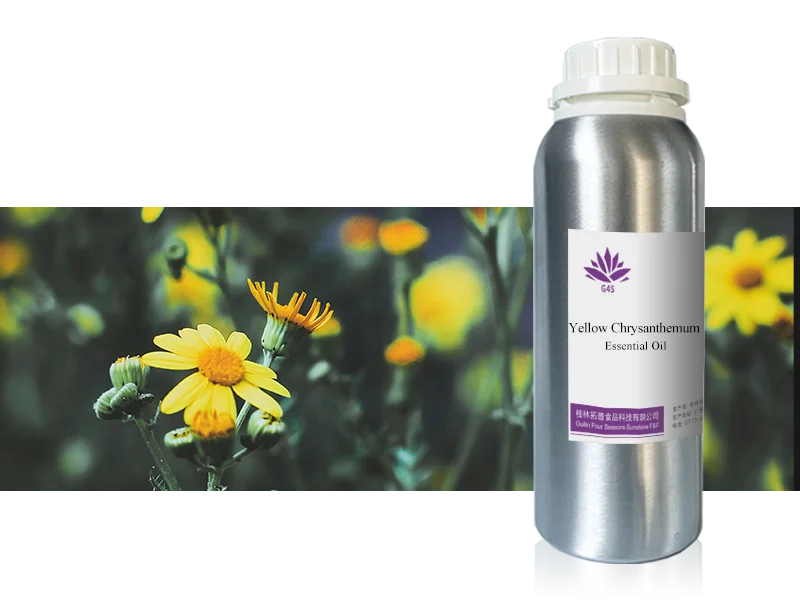
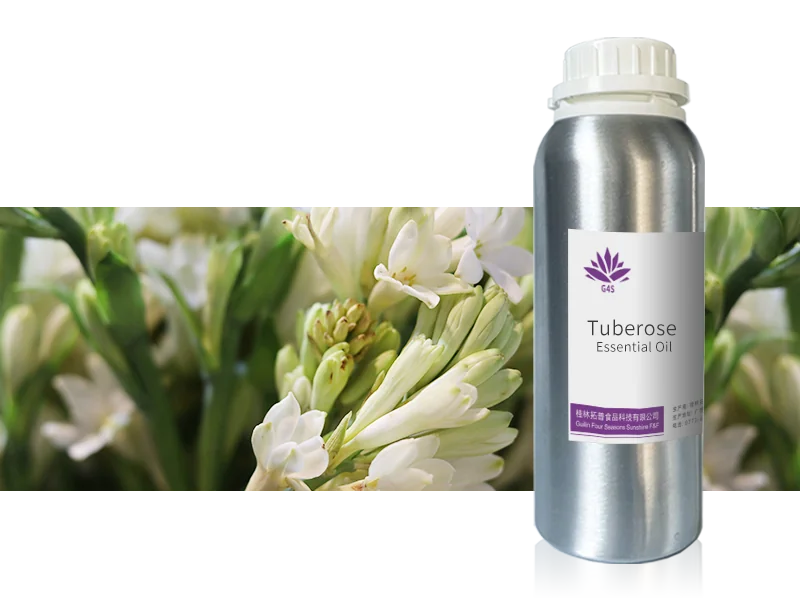
IFEAT 2012 ran 4–8 November at Marina Bay Sands in Singapore, drawing nearly a thousand delegates from over fifty countries. There, G4S Four Seasons Sunshine exhibited natural aromatic materials and plant extracts built around buyers' real applications — beverages, dairy, bakery, savoury and personal care. Every lot shipped with full certificates of analysis and retained samples for traceability.
Why We Came to Singapore
The gathering drew close to a thousand delegates from more than fifty countries — the largest IFEAT conference held to that point, and the one annual meeting where the flavour, fragrance and aroma-trades world sits down in the same room. Delegates attended to decide which suppliers would earn their trust for the year ahead. For a supplier of natural aromatic materials, that hall is where the next briefs get written, and we went to Singapore prepared to be one of the names written down. This was a trade-only event — buyers and importers, not consumers.
Who We Are — A Supplier Worth Knowing
G4S Four Seasons Sunshine is based in Guilin, in the part of Guangxi where aromatic crops and medicinal-food plants have been grown for generations. More than thirty years spent learning how these plants give up their aroma sit behind the company: a 25,000-square-metre production site, and a chain that runs from cultivation and extraction through to purification and product development without leaving the company's own grounds. A seat as chairman unit of the Guangxi Essential Oils and Spices Association anchors the local network. What a visitor to the booth actually saw was not a glossy catalogue but a working bench — samples opened, headspace smelled, a notebook in which each lot's origin plot and test result was written out by hand. The habit that matters most to an importer is a small, unglamorous one: every lot leaves with its full certificate of analysis and its retained sample resting next to the dispatch record, so a question asked two years later can still be answered with the actual jar, not a memory.
What We Brought — Built From Market Research
Before the flight to Singapore, the team did not simply pack the usual shelf. We spent the preceding months reading what the market was actually asking for — which notes were moving in beverage launches, what dairy and bakery developers wanted from a credible "natural" claim, where savoury and plant-based products kept hitting the same flavour wall, and what the personal-care side needed from a stable plant extract. That homework shaped the booth. What we carried to Marina Bay Sands was a set of professional products and solutions, not loose ingredients. Natural aromatic materials and plant-derived extracts were built around the problems buyers described, each one sent out with application data attached for food and beverage, dairy, bakery, savoury and daily-care systems alike. A confectionery buyer and a savoury-sauce developer were shown the same raw-material family approached two different ways, because the constraint in one system is solubility and in the other is heat. Specifications were set to match each buyer's own market and labelling rules, and small trial volumes were welcome — supplying the best raw-material solution means starting from the buyer's process, not from our warehouse.
Why Importers Can Rely on the Work
The buyers who stopped by tended to share a single worry: a "natural" label is easy to print and hard to prove. Our answer is deliberately unglamorous. We treat proof as the product. A material is not offered until it has been measured in the system it will actually live in — carbonated, alcoholic, hot, cold, low in pH — rather than only in a lab beaker. The process technologies we rely on exist for one purpose: to make a natural material behave the same way on a factory floor in Johor as it did on the bench in Guilin. Living-Fragrance physical extraction keeps a plant's original aroma structure intact; aroma concentration enriches the actives so there is margin across a full shelf life; dynamic multi-stage counter-current extraction and supercritical fluid extraction (a solvent-free, low-temperature route) take the clean fractions without solvent residue; molecular distillation and controlled release place the note exactly where the consumer finally meets it. The same discipline that keeps a lot consistent is what lets the paperwork — certificates, traceability records, and market-specific compliance files such as REACH or FDA where a market requires them — travel with the goods instead of arriving late. The consensus reached with several procurement teams over those few days was plain — these teams did not need a cheaper oil, they needed one they could defend to their own quality department.
At the Booth — The Work Behind Every Sample
The part of the work that showed up at the booth was the part nobody sees. Two of the samples on the table had been reworked three times after our own application tests flagged a gap between how a material smelled neat and how it performed once diluted in a finished base. A dairy concept that tested clean in water turned blunt inside a high-protein matrix, so the composition was rebuilt to carry the top note past the protein. A beverages buyer asked about a clear still drink where a citrus character faded by week three; we pulled the accelerated-shelf-life curves on the spot rather than promising from memory. None of this is exciting, and all of it is why a buyer's first question — "will it still be there in month six?" — can be answered with a curve rather than a promise. Across the show we ran smelling and tasting sessions with formulators, sent follow-up samples within the week, and wrote the specification language together with three purchasing teams so that what they approved matched what we would ship. The preparation that looked effortless from the aisle was, in truth, the longer half of the trip.
What's Next — and How to Reach Us
Singapore was one stop on a longer road. The conversations there pointed the same direction the business is already travelling: more genuinely "real" flavour from authentic raw materials, stronger support for low-alcohol and alcohol-free systems, and a steadier supply through the summer peak. For the procurement teams who spoke with us in that hall, and for those who only passed the booth, the invitation is direct. Bring us the brief, even the awkward one, and we will come back with a material and the data behind it. Reach G4S Four Seasons Sunshine through the contact channels on this site; the same people who opened the samples in Singapore will answer, and the same retained jar will be waiting if you need to ask again.
---
Conference at a glance
- Full name: International Federation of Essential Oils and Aroma Trades (IFEAT), a trade association founded in 1977 representing companies across production, processing, trading and manufacturing of flavour, fragrance and aromatherapy ingredients.
- Event: IFEAT 2012 Singapore Conference, theme "Essential Asia".
- Dates: 4–8 November 2012 (welcome reception on the evening of 4 November).
- Venue: Marina Bay Sands, Singapore.
- Scale: ~980 delegates plus accompanying persons and day registrants, from 53 countries — the largest IFEAT conference held to that point; described as a "United Nations of flavour and fragrance ingredient suppliers".
- Nature: the sector's premier annual B2B meeting + a focused exhibition area — a trade event, not a consumer show.
This article was published on 2026-11-02, and last updated on 2026-11-02. The article will be continuously updated.