

FIC2024 — the 26th China International Food Additives and Ingredients Exhibition — ran 20–22 March at Shanghai's National Exhibition and Convention Center, drawing 1,500-plus suppliers across some 160,000 m². G4S Four Seasons Sunshine exhibited in the flavor-and-condiment hall with natural aromatic materials and plant extracts built to go into food, not just near it. Every food-grade lot we ship carries its certificate of analysis and a retained sample held to the batch.
A Food-Ingredients Fair, and Why Hall 8.1 Was Our Block
FIC is the national show for food additives and ingredients, run by the China Food Additives and Ingredients Association with CCPIT's light-industry sub-council, and built around three blocks — raw materials, machinery, and innovation technology — spread across six halls. One of them, 8.1, is the domestic flavor, fragrance and condiment zone; another, 6.1, gathers natural and functional products. That is the neighborhood we came for. Around us stood the global ingredient houses — DSM, IFF, ADM, BASF, Ingredion, Fonterra, Chr. Hansen, Angel, Novozymes, Lesaffre, Roquette — and national pavilions from the US, Japan and Taiwan.
We went because this is where "natural" has to prove it can eat. At a perfumery show the question is the nose; at an aroma fair it is the application; here, in the food hall, the question is whether a material survives a real food process and clears a food regulator. Standing among the largest ingredient companies on earth sharpened ours: a small, traceable, single-plant natural is a different offer from a blended synthetic, and the floor was the place to make that case.
Who Shared the Floor
The scale was the story. More than 1,500 suppliers, tens of thousands of professional visitors, 50-plus new-product launches and a ten-academician forum billed as the highest-spec food-industry forum in the country. In Hall 8.1 specifically, the aisles were full of flavor houses and condiment makers; in 6.1, of functional and natural-product brands chasing the same consumer turn toward clean labels and plant-derived function.
That crowd shaped our table. We were not the biggest name, and we did not pretend to be. We were one of the few carrying the same plant from its field — our Guangxi base — through to a food-grade extract, with the origin paper intact. The formulators who stopped wanted neither a novelty nor a commodity: they wanted a natural that behaved in a formula, documented for food, and cheaper to trust than to test. Listening there told us which of our materials already fit a food line and which still needed work.
What We Put on the Table: Naturals That Belong in Food
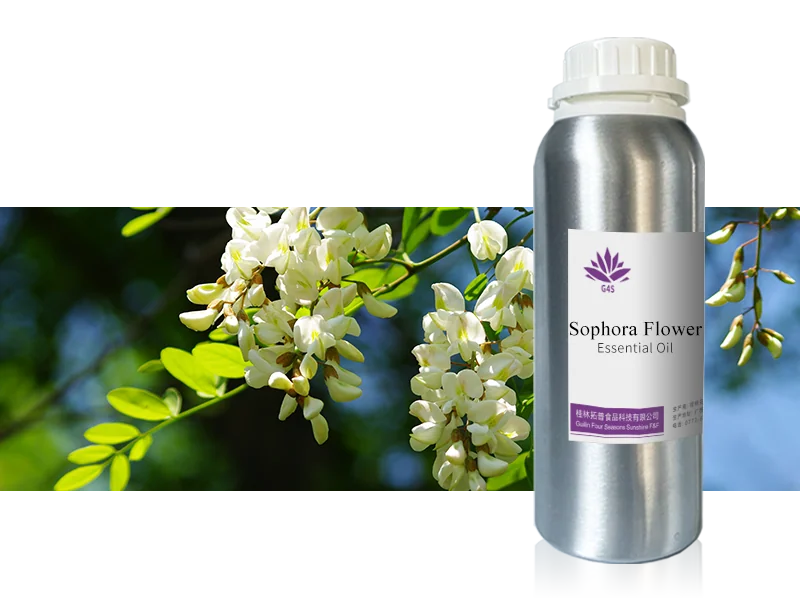
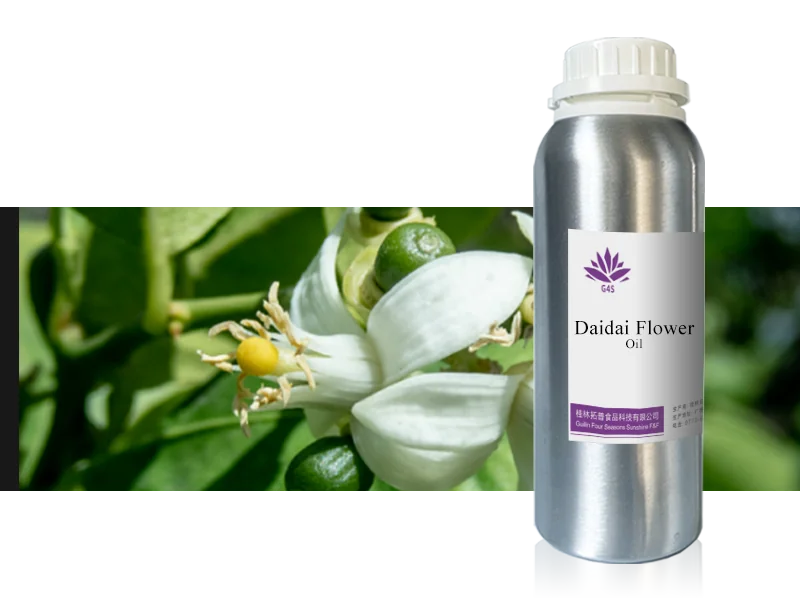
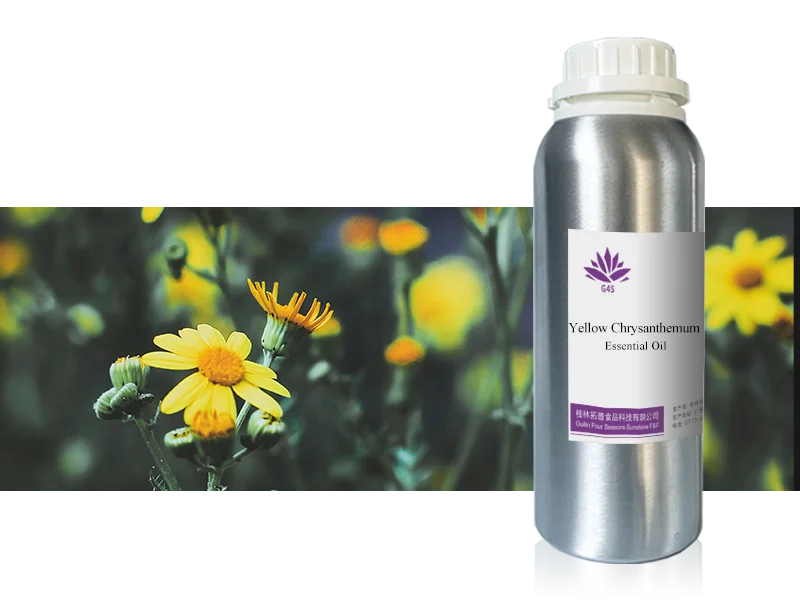
We did not bring a fragrance shelf and call it ingredients. We brought natural aromatic materials and plant extracts from Guangxi chosen for the food hall: essential oils, concretes and absolutes, plus food-grade fractions of the same plants, mapped to the flavor, condiment and functional-product zones around us. The steps behind each lot — Living-Fragrance physical extraction, aroma concentration, dynamic multi-stage countercurrent extraction, supercritical fluid extraction, molecular distillation with controlled release — are recorded on the spec sheet we send with the food-grade consignment, so the how travels with the what.
A food formulator asks differently from a perfumer or a buyer of cosmetics. Not "does it survive my alcohol," but "does it survive my process, read clean on my label, and still taste like the plant at the end of a shelf life." We built the samples to answer that — food-grade documents in hand, and a sensory target stated before the tasting, not after.
What a Food Formulator Could Confirm
Trust, at a food fair, is a lot you can eat and still trace. The works stand in Guilin, Guangxi — 25,000 m² among aromatic crops and medicinal-food plants — where we hold the Guangxi Flavor & Fragrance Association chair and patent the extraction and release a food formulator orders.
Every food-grade lot we ship carries its certificate of analysis and a retained sample held to the batch, so the food formulator can trace a lot back through the years and re-run the assay. For compliance we gear the dossier to the market a food formulator sells into — food-grade and medicinal-food-homology papers where the product is eaten, REACH where it is scented for Europe — and we draw the line where a claim ends. Stock items ship in roughly two weeks; made-to-order fractions take several weeks; minimums follow the format a food formulator needs, and we confirm both before signing. We would rather show the batch than sell the story.
At the Stand: The Real Adjustment
The work was not the stand; it was the scale-up. A beverage maker liked a natural citrus and osmanthus note but needed it at production volume, surviving pasteurization and a months-long shelf life without the heavy tail that turns bitter in a clear drink. Our lab fraction was clean but small; turning it into a food-grade lot that held its GC profile batch after batch meant tightening the distillation cut, locking the residue panel, and shipping a pilot run they could trial in their own line. That was not a perfect first pass; it was a same-week, candid redo done while they stood at the counter.
A second thread ran with a functional-food brand from the natural-products hall, who wanted a medicinal-food-homology plant extract as a functional ingredient, not a flavor — a different question from the beverage one, and one that pulled the same material toward a health claim rather than a taste. Both threads left the same mark: in the food hall, the value is the lot that behaves, not the line that sounds good.
What This Sets Up, and How to Reach Us
FIC2024 was one stop on a longer road, and the clearest signal yet that our naturals belong in the food aisle, not beside it. We plan to keep exhibiting where food-grade meets natural, and to arrive each time with materials whose origin and food papers we can prove. If you formulate food, beverage or functional products and need natural aromatic materials or plant extracts that are documented for eating — and behave when you process them — write to us with the application, the market it ships to, and the standards it must clear.
Our applications staff answer a food formulator straight away, and we will forward certificates, retained-sample records and trial lots on request. Start the conversation through the contact channels on this site — we answer, and the lot we send keeps its word.
This article was published on 2026-11-03, and last updated on 2026-11-03. The article will be continuously updated.
Related Exhibitions

HOTELEX 2026 Shenzhen Hotel & Catering — A G4S Four Seasons Sunshine Show Report

China-ASEAN Business Center Trade Meeting, Nanning — A G4S Four Seasons Sunshine Report

Hi & Fi Asia-China 2026 Shanghai Health Ingredients — A G4S Four Seasons Sunshine Show Report

23rd China-ASEAN Expo — A G4S Four Seasons Sunshine Show Report